
The Science of Genetics in Personalized Skin Wellness
By Stuart Chan

For many, the standard approach to skincare involves a cycle of trial and error. Often, topical solutions are sought only after a breakout or a fine line appears. This “reactive” model can lead to a routine that does not fully align with the skin’s unique biological requirements.
The field of dermatology is increasingly looking toward the role of genetics in understanding skin health. By gaining insights into biological predispositions, it is possible to move away from guesswork and toward a routine informed by data. At Camtech Health, we believe that wellness is optimized when it is evidence-based.
For readers who want to go beyond guesswork, Camtech’s IDEAL Skin & Ageing DNA Test offers an at-home way to explore genetic traits linked to skin type, dermal sensitivities and ageing-related wellness insights.

The Science of Dermagenetics: Beyond Universal Products
Many topical products are formulated for general use, but biological needs can vary significantly between individuals. Genetic testing for skin health, often referred to as dermagenetics, examines specific variations in DNA called Single Nucleotide Polymorphisms (SNPs).
These SNPs can influence how the skin maintains elasticity and how it responds to environmental factors, such as urban pollution. By analyzing 21 unique traits, genetic insights provide a comprehensive overview of dermal predispositions. Rather than only addressing visible concerns, this approach provides data on the underlying biological factors that influence how skin ages and responds to its environment.
21 Unique Traits: What Genetic Insights Reveal
A genetic report serves as an informational guide for skin management. Here are several key areas where DNA insights provide a “blueprint” for a personalized wellness routine:
1. Collagen Maintenance
Collagen is a primary structural component of the skin. Some individuals possess genetic markers associated with a higher rate of collagen degradation. For those with a predisposition toward faster breakdown, a proactive routine might include the early introduction of supportive ingredients, such as peptides or retinoids, to help maintain the skin’s structural appearance.
2. Environmental Sensitivity and Photoageing
While sun protection is essential for everyone, some individuals are biologically more sensitive to environmental stressors and “photoageing.” DNA analysis can help identify the skin’s natural response levels to UV exposure, assisting in the selection of appropriate topical antioxidants and sun protection to help manage the appearance of premature fine lines.
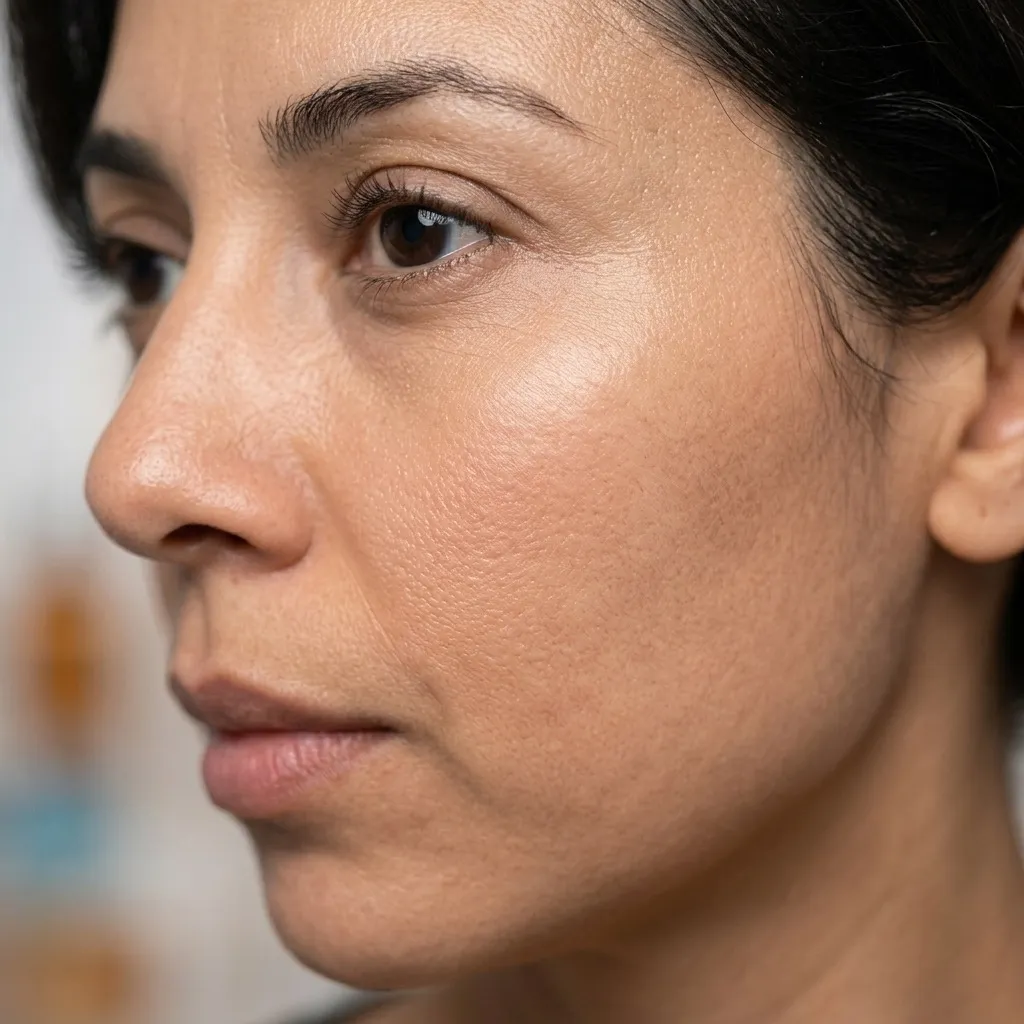

3. Dermal Sensitivities
Many individuals experience “sensitive skin” without a clear understanding of the contributing factors. Genetic testing can identify markers related to the skin’s natural inflammatory responses. Understanding a predisposition for sensitivity allows for the selection of barrier-supporting formulations and the avoidance of potentially irritating ingredients.
4. Antioxidant Capacity
The skin has an internal system for managing free radicals caused by pollution. If a genetic report indicates a lower natural antioxidant capacity, the skin may benefit from supplemental topical Vitamin C or E to support its natural defenses against environmental stressors.
Skin health is also influenced by wider lifestyle factors such as nutrition, metabolism and recovery. Camtech’s IDEAL Health DNA Test explores broader genetic traits across skin, fitness, nutrition and ageing.
Informed vs. Reactive Wellness: Why Data Matters
The shift toward an informed routine is about more than aesthetics; it is about long-term wellness management. When one understands their biological predispositions, they can make lifestyle and skincare adjustments to support skin health over time.
Conventional Approach: Addressing concerns like deep lines only after they become prominent, often requiring intensive topical or clinical interventions.
Informed Approach: A DNA report may reveal a predisposition for glycation (sugar-induced collagen impact). This allows for dietary adjustments and the use of targeted skincare to support collagen levels years before the first visible signs appear.
By integrating these insights, a wellness routine can be optimized at a cellular level, helping the skin remain resilient throughout various stages of life.
To explore more options, browse Camtech’s full range of DNA wellness tests.
References
- NIH/PMC:Genetic profiling and precision skin care: a review
- Frontiers in Genetics: Personalised skin health management and nutrition strategies based on genetic polymorphisms
- NHS England: Genomics in Dermatology
- Dermato-Endocrinology: Genetic basis for skin youthfulness and intrinsic ageing
Frequently Asked Questions (FAQs)
How can a DNA test support a skincare routine?
A DNA test identifies the skin’s biological predispositions. This allows for the selection of ingredients and routines that address specific needs, such as antioxidant support or collagen maintenance, rather than relying on a “one-size-fits-all” approach.What are the “21 unique traits” analyzed?
1. Cellulite
2. Stretch Marks
3. Dry Skin
4. Freckles
5. Premature Collagen Breakdown
6. Youthful Skin
7. Crow’s Feet
8. Sagging Eyelids
9. Sagging Cheeks
10. Antioxidant Deficiency
11. Skin Glycation
12. UV Damage Risk
13. Sun Spots
14. Impaired Detoxification
15. General Wrinkles
16. Impaired Skin Barrier Function
17. Sun Sensitivity
18. Baldness
19. Droopy Eyelids
20. Longevity
21. Healthy AgingTogether, they provide a holistic view of the skin’s biological profile.
How are these insights derived?
Modern genetic wellness testing utilizes established laboratory techniques to identify specific SNPs (Single Nucleotide Polymorphisms) that have been studied in relation to skin health and the aging process. This at-home model reflects the rise of home health testing, where convenient self-sampling and digital reports make personalised health insights more accessible.At what age is a genetic skin test appropriate?
Because DNA remains constant, these insights can be gathered at any time. Obtaining this information early allows for the implementation of supportive measures that help manage the visible signs of aging over the long term.Can I change my genetic profile?
While DNA sequence cannot be changed, gene expression can be influenced by environmental and lifestyle factors (epigenetics). These effects may help modulate, but not eliminate, genetic predispositions.
Medical Disclaimer
The information provided in this article is for educational and informational purposes only and does not constitute medical advice, diagnosis, or treatment. Genetic wellness tests are not diagnostic tools. Always consult with a qualified dermatologist or healthcare professional before making significant changes to a skincare routine or health regimen.
*Visuals are assisted by AI