Strength vs Endurance: Your DNA Guide
By Stuart Chan
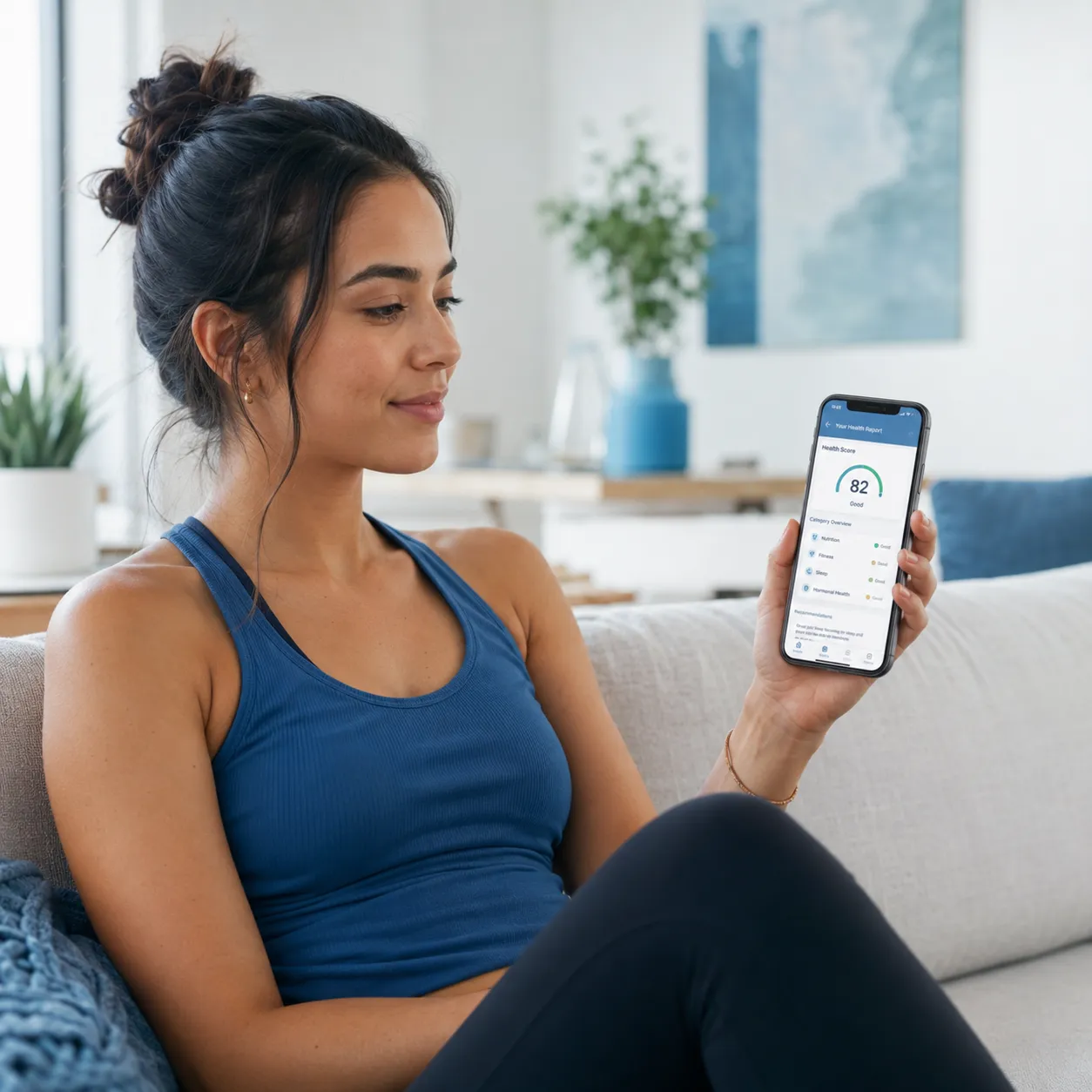
Have you ever wondered why some people seem naturally drawn to heavy lifting, while others thrive during long runs, cycling sessions, or endurance events?
Training consistency, nutrition, sleep, and coaching all matter. However, your genetics may also influence how your body responds to different types of exercise. From muscle fibre composition to oxygen use and recovery needs, your DNA can offer useful clues about whether your body may be more naturally suited to strength, endurance, or a balanced mix of both.
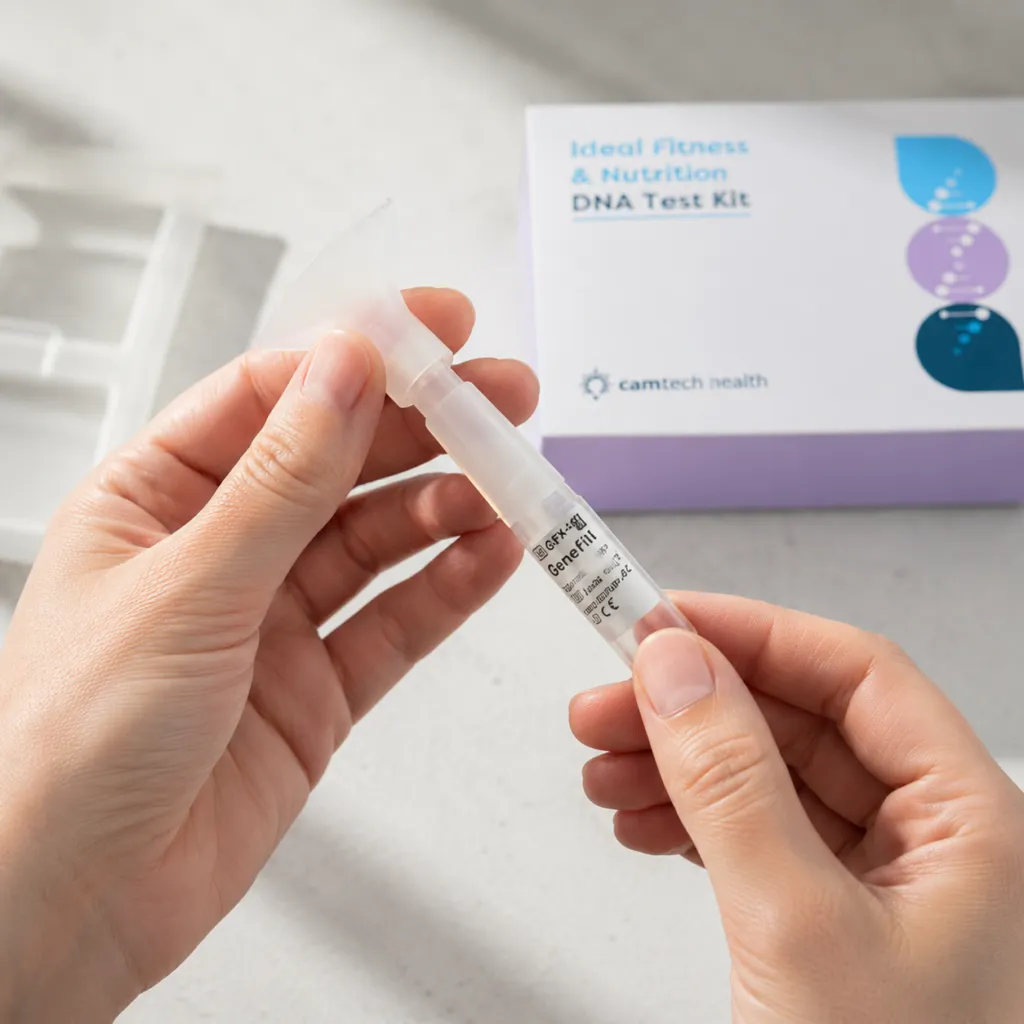
This does not mean your genes define your limits. Instead, genetic insights can help you make more informed decisions about how you train, recover, and fuel your body. With tools such as theCamtech Health IDEAL Fitness & Nutrition DNA Test, individuals can explore wellness-focused genetic traits related to fitness, nutrition, metabolism, body composition, and recovery.
The Science Behind Strength and Endurance
Your muscles contain different types of fibres, each with a different role in physical performance.
Fast-twitch muscle fibres are designed for short bursts of power. They help with activities such as sprinting, jumping, heavy resistance training, and explosive movements. Slow-twitch muscle fibres are more fatigue-resistant and support sustained activities such as distance running, cycling, swimming, and steady-state cardio.
Research has explored how genes such as ACTN3 and ACE may be associated with athletic performance traits, including power and endurance-related characteristics. However, genetics should be viewed as one part of a wider picture rather than a simple prediction of sporting ability. Training history, lifestyle, environment, nutrition, and motivation remain essential factors.
What a Strength-Dominant Profile May Suggest
Some people may have genetic tendencies associated with higher lean body mass potential, power output, or responsiveness to resistance training.
For these individuals, strength-focused training may feel more natural and rewarding. This may include compound lifts such as squats, deadlifts, presses, and rows, as well as shorter bursts of high-intensity effort.
A strength-focused routine may include:
- Progressive resistance training using moderate to heavy loads
- Hypertrophy-focused sets in the 6 to 12 repetition range
- Explosive movements such as jumps, sprints, or Olympic-lift variations
- Longer rest periods between intense sets
- Deliberate recovery days to support muscle repair
This does not mean endurance training should be ignored. Cardiovascular health remains important for overall wellness. However, knowing that your body may respond well to strength-based training can help you prioritise workouts that feel effective and sustainable.
What an Endurance-Dominant Profile May Suggest
Other individuals may show genetic tendencies linked to endurance potential, oxygen utilisation, or fatigue resistance. These traits may support activities that require sustained effort over time.
For an endurance-focused profile, training may place greater emphasis on cardiovascular conditioning, muscular endurance, and gradual increases in training volume.
An endurance-focused routine may include:
- Zone 2 cardio to build an aerobic base
- Running, cycling, rowing, or swimming at sustainable intensities
- Higher-repetition resistance training
- Gradual increases in duration and weekly training volume
- Recovery strategies that support repeated training sessions
This does not mean strength work should be left out. Resistance training can support joint stability, posture, injury resilience, and healthy ageing. A balanced programme can still include both strength and endurance, with the ratio adjusted based on goals and biological tendencies.
Why Personalised Fitness Matters
Many people follow generic workout plans and become frustrated when results do not match their effort. One person may build muscle quickly from resistance training, while another may need a different balance of volume, nutrition, and recovery. Similarly, some people adapt well to long cardio sessions, while others feel drained and need more careful programming.
This is where personalised wellness insights can be useful.
TheIDEAL Fitness & Nutrition DNA Test analyses 35 unique traits related to metabolism, body type, vitamin absorption, nutrient intake, fitness, and nutrition. According to Camtech Health’s product information, results are available through the Camtech Health App within 3 to 4 weeks after returning the sample.
For a broader introduction to this product, Camtech’s articleYour Body, Your Blueprint: Unlocking Peak Performance with the Ideal Fitness & Nutrition DNA Test explains how genetic insights can support more personalised fitness and nutrition decisions.
How DNA Insights Can Support Smarter Training
DNA insights should not replace professional coaching, medical advice, or a well-structured exercise plan. However, they may help you ask better questions about your routine.
For example, your results may help you consider:
- Whether your programme should emphasise strength, endurance, or a hybrid approach
- How much recovery you may need between demanding sessions
- Whether your nutrition strategy supports your training style
- How your body may respond to certain macronutrients
- Whether vitamin or nutrient-related traits may be worth discussing with a healthcare professional or dietitian
Camtech’s article onUnderstanding Metabolism: The Science of Personalized Nutrition is a useful internal link here, as it explores how genetic variability may influence metabolism, nutrient utilisation, and weight management.
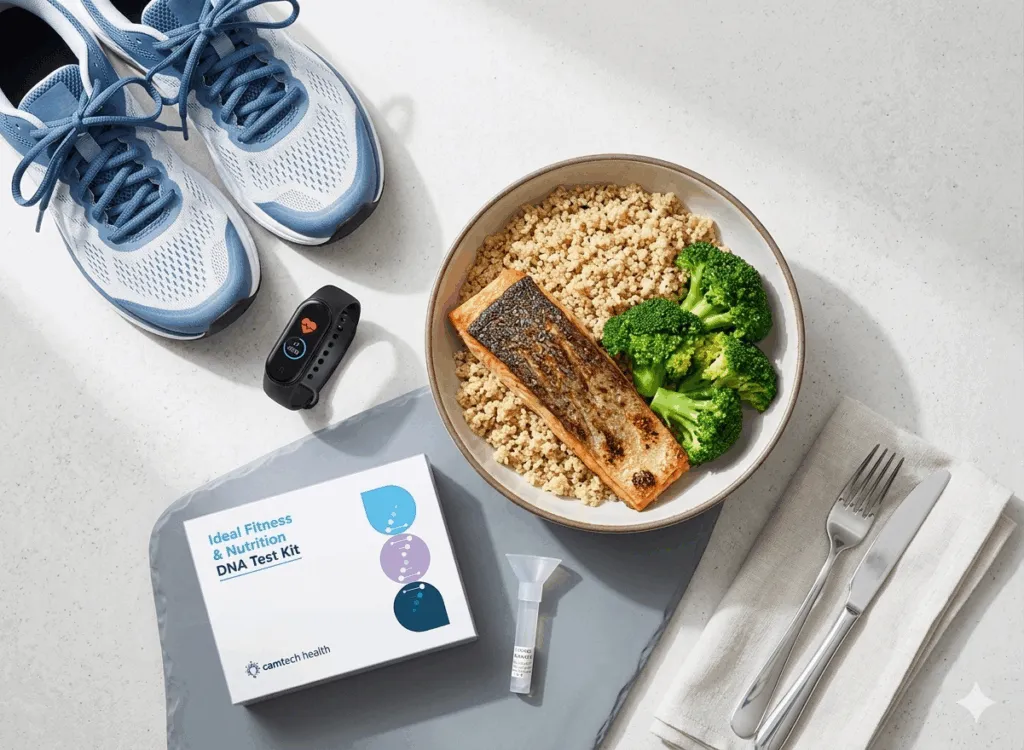
Beyond the Gym: Nutrition, Recovery, and Digital Health
Training is only one part of performance. Your body also needs the right fuel, rest, and recovery support.
Nutrition can influence energy levels, muscle repair, body composition, and long-term wellness. Some people may need to pay closer attention to carbohydrate sensitivity, fat metabolism, vitamin absorption, or food-related sensitivities. Dietary DNA testing may provide insights into how the body digests, absorbs, metabolises, and excretes food and nutrients, although these insights should be used responsibly and ideally alongside professional guidance.
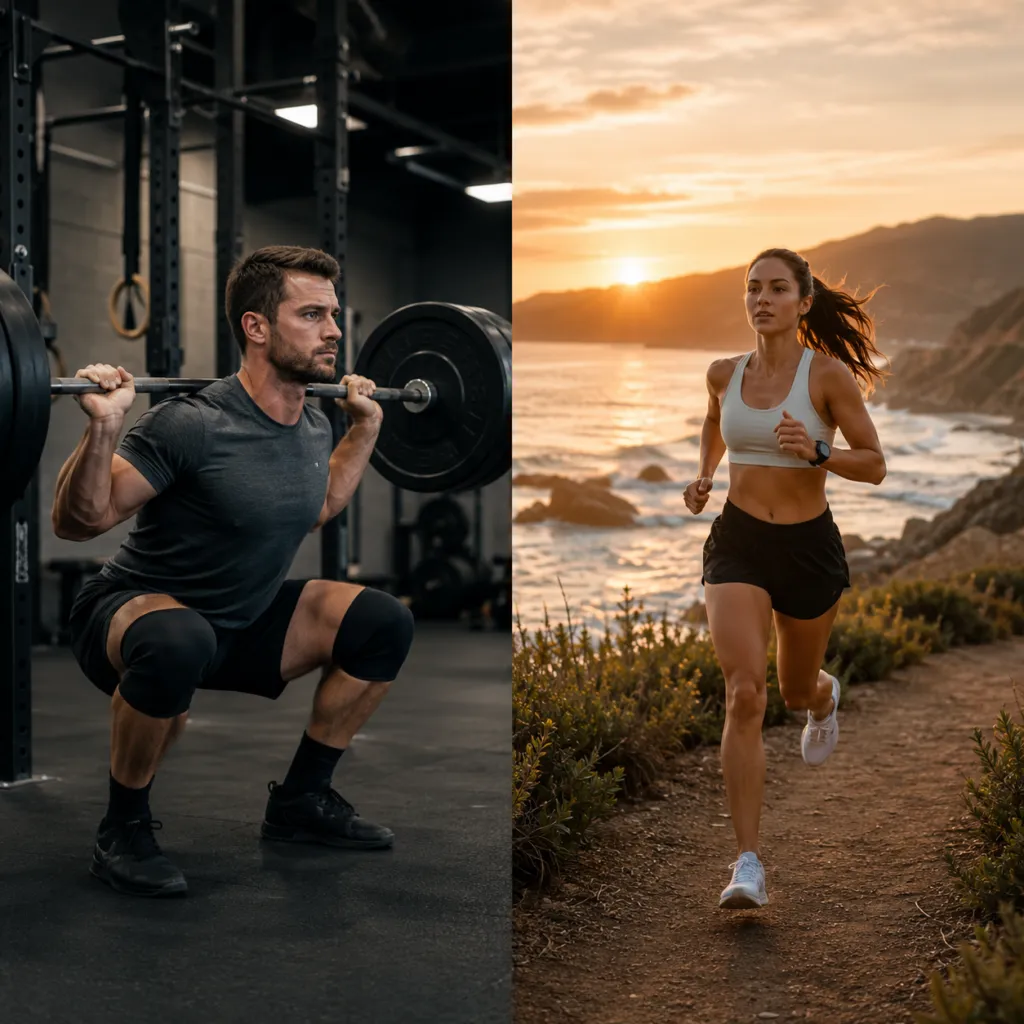
Digital health tools can also make personalisation more practical. The Camtech Health App helps connect testing, results, and health insights in a more accessible format. For more context, read Camtech’s article onThe Rise of Home Health Testing, which discusses how biotechnology, digital health, and at-home testing are changing how people engage with their wellbeing.
Genes Are a Guide, Not a Limit
It is important to keep genetic testing in perspective. Your genes may influence your starting point, response patterns, and biological tendencies, but they do not decide your outcome.
A person with endurance-associated traits can still become stronger. A person with strength-associated traits can still improve stamina. Training, consistency, coaching, sleep, nutrition, and lifestyle choices all shape results.
The real value of DNA-based fitness insights is not to put people into fixed categories. It is to help individuals train with greater awareness and less guesswork.
Conclusion
Strength and endurance are not opposing goals. They are different expressions of physical performance, and most people benefit from developing both to some degree.
By understanding your genetic tendencies, you can make more informed decisions about how to structure your workouts, fuel your body, and support recovery. Whether your goal is to lift heavier, run further, improve body composition, or simply feel more confident in your routine, a personalised approach can help you train smarter.
Camtech Health’sIDEAL Fitness & Nutrition DNA Test offers a practical way to explore fitness and nutrition traits through at-home DNA testing and digital health insights.
Frequenty Asked Questions (FAQ)
Q: Can a DNA test tell me exactly which sport I should do?
A: While a DNA test cannot choose a sport for you, it identifies your biological predispositions. For example, it can show if you have a higher potential for explosive power (sprinting, lifting) or aerobic endurance (marathons, swimming), helping you choose activities that align with your natural strengths.
Q: How long does it take to get results from the IDEAL Fitness & Nutrition DNA Test?
A: Once you have mailed your saliva sample back to our laboratory, your personalised report will be available on the Camtech Health App within 3 to 4 weeks.
Q: Will my genetic potential change as I get older?
A: Your DNA sequences remain the same throughout your life. However, how those genes are expressed can be influenced by your lifestyle, diet, and age. Knowing your baseline potential allows you to adapt your training as your life stages evolve.
Q: Do I need a doctor to interpret my DNA results?
A: Our reports are designed to be clear and actionable for the general public. However, we always recommend sharing your results with a qualified personal trainer or a nutritionist to help create a specific plan based on the data.
References
- Frontiers in Sports and Active Living:ACE and ACTN3 Gene Polymorphisms and Genetic Traits
- MDPI Journal of Clinical Medicine:Association between Complex ACTN3 and ACE Gene Polymorphisms and Elite Endurance
- National Institutes of Health (PMC):Genetic testing for exercise prescription and injury prevention
- NHS British Dietetic Association:Dietary DNA tests: how they work and what they’re useful for
Medical Disclaimer
This product is intended for wellness and educational purposes only. It is not a medical device and is not intended to diagnose, treat, cure, or prevent any disease, medical condition, or injury. The information provided in this article does not constitute medical advice. Always seek the advice of a qualified healthcare provider with any questions regarding a medical condition or before beginning a new fitness or nutrition programme. Personal results from genetic insights will vary based on environmental factors, diet, and lifestyle.
*Visuals assisted by AI