

Key Takeaways
- Mild body changes may deserve attention when they keep returning, last longer than expected, or feel different from your normal pattern.
- Everyday factors such as diet, stress, hydration, sleep, and busy routines can make warning signs easy to explain away, especially in Singapore’s fast-paced lifestyle.
- Tracking when changes begin, how often they happen, and whether they appear with fatigue, bleeding, discomfort, or weight loss can support clearer conversations with a doctor.
- At-home health tools can support broader health awareness, but persistent or unusual concerns should always be reviewed by a qualified healthcare provider.
Introduction
In Singapore, digestive discomfort is often explained by familiar factors such as irregular meals, work stress, spicy food, changes in routine, or insufficient hydration. These explanations can be reasonable, but they may also make early warning patterns easier to dismiss. Some symptoms of colon cancer may begin as mild or intermittent changes rather than sudden or severe discomfort. This is why awareness should focus on patterns, duration, and changes from your usual baseline, not only on pain or intensity.
Colon cancer can develop gradually, and early signs may not always feel serious. In some cases, early-stage colon cancer may cause few or no noticeable signs, which makes recurring changes and appropriate screening especially important. For some people, the first noticeable differences may involve bowel rhythm, stool appearance, abdominal comfort, or energy levels. These signs can overlap with common digestive issues, making it important to understand how they may appear in daily life. The aim is not to self-diagnose, but to recognise when a recurring change may need further medical attention.
What is Colon Cancer?
Colon cancer, or colorectal cancer, is cancer that begins in the large intestine (the colon or the rectum). It typically develops from small, non-cancerous growths called polyps. Because it can take a long time to develop and early signs are subtle, awareness of changes and appropriate screening are essential.
What “Symptoms” Represent in the Everyday Health Context
Symptoms are changes in how the body feels or functions. In everyday life, they are often interpreted through context. A person may link bloating to a heavy meal, constipation to low water intake, or tiredness to a demanding week. That is why symptoms of colon cancer can be difficult to recognise early. They may not feel separate from ordinary digestive experiences, especially when they appear briefly or improve for a while before returning.
For practical health monitoring, it is helpful to ask whether a change is new, recurring, or different from what is normal for you. A single episode of digestive discomfort may not always be concerning, but repeated changes should be observed more carefully. This is especially relevant when a symptom appears without a clear trigger, lasts longer than expected, or keeps returning despite changes in diet, hydration, rest, or routine.
Common Early Symptoms That Are Often Dismissed
Early bowel changes are often dismissed because they may appear mild, inconsistent, or similar to everyday digestive discomfort. A person may notice a change but assume it is linked to food, stress, or routine disruption if it does not immediately affect daily life. This is one reason symptoms of colon cancer may be missed until a clearer pattern begins to emerge.
Changes in Stool Pattern or Bowel Rhythm
Stool and bowel rhythm changes are often easier to recognise when compared against what is normal for the individual. Some people may experience diarrhoea, constipation, narrower stools, or a feeling that the bowel has not emptied completely. Others may notice that their usual bowel routine becomes less predictable, with changes occurring more often than expected. While occasional changes may happen due to diet, hydration, travel, or stress, recurring shifts should be monitored with more care. The concern is not only that a change appears, but that it continues, returns, or begins to feel different from the person’s usual pattern.
Discomfort, Fatigue, or Unexplained Physical Changes

Not all early warning signs are limited to bowel movements, which is why broader physical changes should also be considered. Abdominal cramps, bloating, blood in the stool, unexplained tiredness, or unintentional weight loss may also be overlooked when they appear gradually.
Fatigue, in particular, may be attributed to work, poor sleep, or a busy lifestyle. However, tiredness that does not improve with rest, or appears alongside bowel changes or blood in the stool, should not be dismissed. Blood in the stool should also be discussed with a qualified healthcare provider, rather than assumed to be caused by piles or minor irritation.
Why Early Symptoms Are Commonly Misinterpreted
Digestive symptoms are commonly misinterpreted because the gut is sensitive to everyday behaviour. In Singapore, meals may vary widely across hawker food, home-cooked dishes, office lunches, late dinners, and social eating. Stress, travel, dehydration, reduced physical activity, and disrupted sleep can also affect bowel rhythm. This makes digestive health symptoms easy to explain away as temporary lifestyle responses.
Food-related triggers may also be considered. For example, a food intolerance test may help some individuals explore non-cancer-related digestive patterns as part of broader health awareness. However, food responses should not be used to dismiss persistent bleeding, unexplained weight loss, ongoing fatigue, or symptoms that repeatedly differ from the usual pattern. A food-related explanation may be useful in some situations, but it should not replace medical review when symptoms are persistent, unusual, or associated with red flags.
When Recurring Symptoms May Require Closer Attention
The key distinction is not always severity, but persistence and pattern. Changes in bowel habits that continue, return frequently, or gradually become more noticeable should be observed carefully. Symptoms that appear mild may still deserve attention when they last longer than expected or appear together with other unexplained changes.
Looking at Persistence Rather Than Severity
A symptom does not need to be intense before it becomes worth paying attention to. For example, constipation that lasts longer than usual, repeated diarrhoea without a clear cause, or a sustained change in stool size or frequency may deserve closer attention. Some symptoms of colon cancer may be less direct, such as ongoing fatigue that may be linked to possible blood loss or anaemia. When these changes are viewed individually, they may seem easy to explain. When viewed as a pattern, they may provide clearer reasons to seek medical advice.
Knowing When Screening or Medical Follow-Up May Be Needed
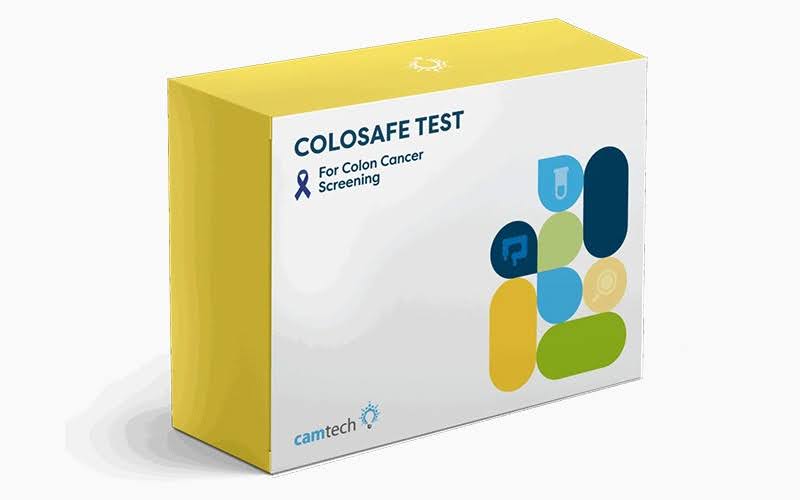
Screening can support earlier awareness, but it should be understood within the right clinical context. A stool sample test kit may help check for hidden blood in stool, but it does not confirm or rule out cancer by itself. Any abnormal result, persistent symptom, or worrying change should be discussed with a qualified medical practitioner. This helps ensure that symptoms are assessed in the right clinical context, rather than managed only through guesswork or short-term lifestyle adjustments.
How Symptom Awareness Supports Earlier Decision-Making

Awareness does not mean self-diagnosis. It means having enough clarity to recognise when continued observation is not enough. A useful approach is to track when symptoms started, how often they occur, whether stool appearance has changed, whether there is blood, and whether other signs such as fatigue, appetite changes, or weight loss are present. This information can support a clearer conversation with a doctor and reduce the chance of forgetting details during a consultation.
For individuals who suspect certain foods may affect their digestion, a food sensitivity test may provide health-related insights into selected food responses. However, it should not be treated as an explanation for red-flag symptoms, and it should not replace clinical evaluation when symptoms persist. Informed health monitoring works best when everyday awareness, appropriate testing, and professional medical advice are used together. This supports earlier decision-making without creating unnecessary fear.
Conclusion
Early symptoms are not always defined by how severe they feel. They are often identified by how clearly they differ from a person’s usual body patterns. When mild or intermittent changes are repeatedly explained away as diet, stress, constipation, or tiredness, opportunities for earlier awareness may be missed. Understanding why symptoms of colon cancer are commonly misinterpreted helps individuals take a more measured and informed approach to their health.
Track recurring bowel or digestive changes, especially when they last longer than expected or feel different from your usual pattern. Seek advice from a qualified healthcare provider if symptoms persist, worsen, or feel unusual. As part of broader health awareness, explore Camtech Health’s at-home testing options to gain clearer insight into selected health markers and support more informed health decisions.
Medical Disclaimer:
The information provided in this article is for educational and informational purposes only and does not constitute medical advice, diagnosis, or treatment. These tests are not intended to diagnose or treat any disease. Always seek the advice of your physician or other qualified health provider with any questions you may have regarding a medical condition.
References: