
Dermal Sensitivities Decoded: Stop the Guesswork in Your Skincare Routine
By Stuart Chan

Skincare can feel like trial and error. One moisturiser calms your skin, another causes stinging. A serum that works beautifully for a friend may leave you with redness, dryness, or irritation. For many people, the issue is not simply “sensitive skin” in a general sense. It may be linked to how their skin barrier, inflammation pathways, and environmental responses are influenced by genetics.
Dermal sensitivities refer to how reactive your skin may be to certain products, ingredients, weather conditions, UV exposure, pollution, or other external triggers. While lifestyle and environment matter, genetic predispositions can also shape how your skin behaves. Camtech’s IDEAL Skin & Ageing DNA Test is designed to provide personalised skin-related genetic insights, helping users move away from skincare guesswork and towards more informed routines. Camtech’s existing skin DNA article also explains how genetic markers may influence collagen, UV sensitivity, glycation, inflammation, and skin sensitivity traits.
What Are Dermal Sensitivities?
Dermal sensitivities describe a tendency for the skin to react more easily to external factors. This may show up as:
- Redness
- Tightness
- Dryness
- Stinging or burning sensations
- Itching
- Flaking
- Increased reactivity after using skincare products
- Sensitivity to heat, cold, sun, or humidity changes
Not every reaction is an allergy. Some reactions are irritant-based, where an ingredient or environmental factor directly disrupts the skin barrier. Others are allergic, where the immune system reacts to a specific substance. The NHS notes that contact dermatitis can be caused by irritants such as soaps, detergents, perfumes, preservatives, and certain cosmetic ingredients, or by allergens that trigger an immune response in the skin.
Why Your Skin Barrier Matters
Your skin barrier is the outer protective layer of your skin. Think of it as a wall that helps keep moisture in and irritants out. When this barrier is strong, skin is generally more resilient. When it is weakened, your skin may lose moisture more easily and become more reactive to everyday products.
Genetics can influence proteins and pathways involved in skin barrier function. One well-studied example is the filaggrin gene, FLG, which helps maintain the skin’s outer layer. Research published in the British Journal of Dermatology found that loss-of-function mutations in FLG are associated with a higher risk of eczema and dry skin patterns in infancy, although the relationship between genetics and barrier function can vary across populations and life stages.
This does not mean your genes “doom” your skin. It means your genetic profile may help explain why your skin behaves the way it does, and why a gentler, barrier-supportive routine may be more suitable for you.
The Problem With Guesswork in Skincare
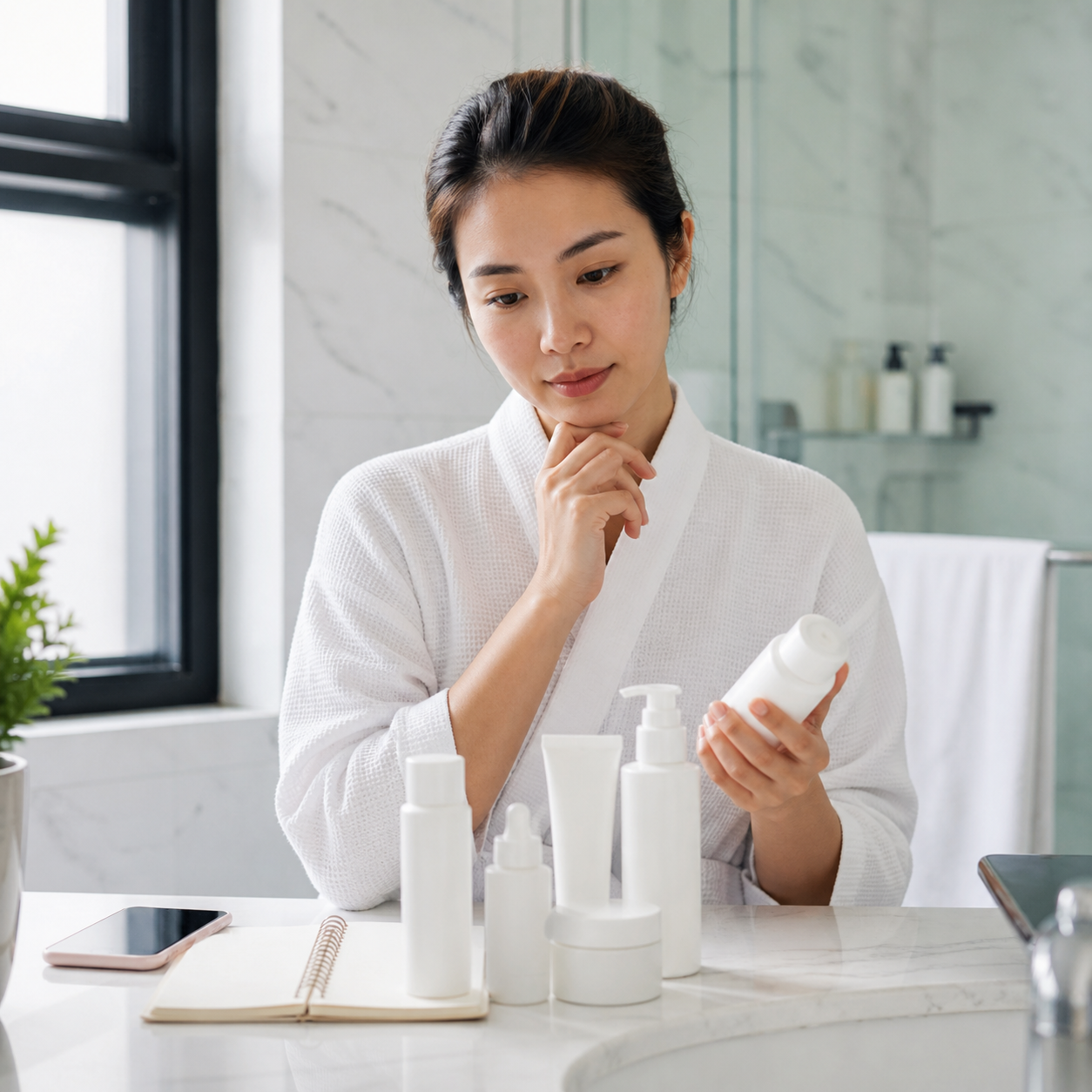
Many people build skincare routines by following trends, influencer recommendations, or product reviews. The problem is that skincare is highly individual. A product may be effective for one person but irritating for another.
For example, common active ingredients such as retinoids, exfoliating acids, vitamin C, and certain preservatives may be useful in the right context, but they can also irritate sensitive skin if used too frequently or in unsuitable formulations. The American Academy of Dermatology recommends testing new skincare products on a small area first, especially because preservatives, retinol, glycolic acid, and fragrance-related ingredients may cause irritation in some people.
Genetic insights may help you ask better questions before buying another product:
- Is my skin more likely to be inflammation-prone?
- Should I prioritise barrier repair before strong actives?
- Do I need to be more cautious with UV exposure?
- Could my skin benefit from a simpler, fragrance-free routine?
- Should I introduce new ingredients more slowly?
How Genetic Insights Can Support Smarter Skincare
A skin DNA test does not diagnose skin disease, replace a dermatologist, or tell you exactly which product to buy. Instead, it can provide a personalised view of genetic predispositions linked to skin traits.
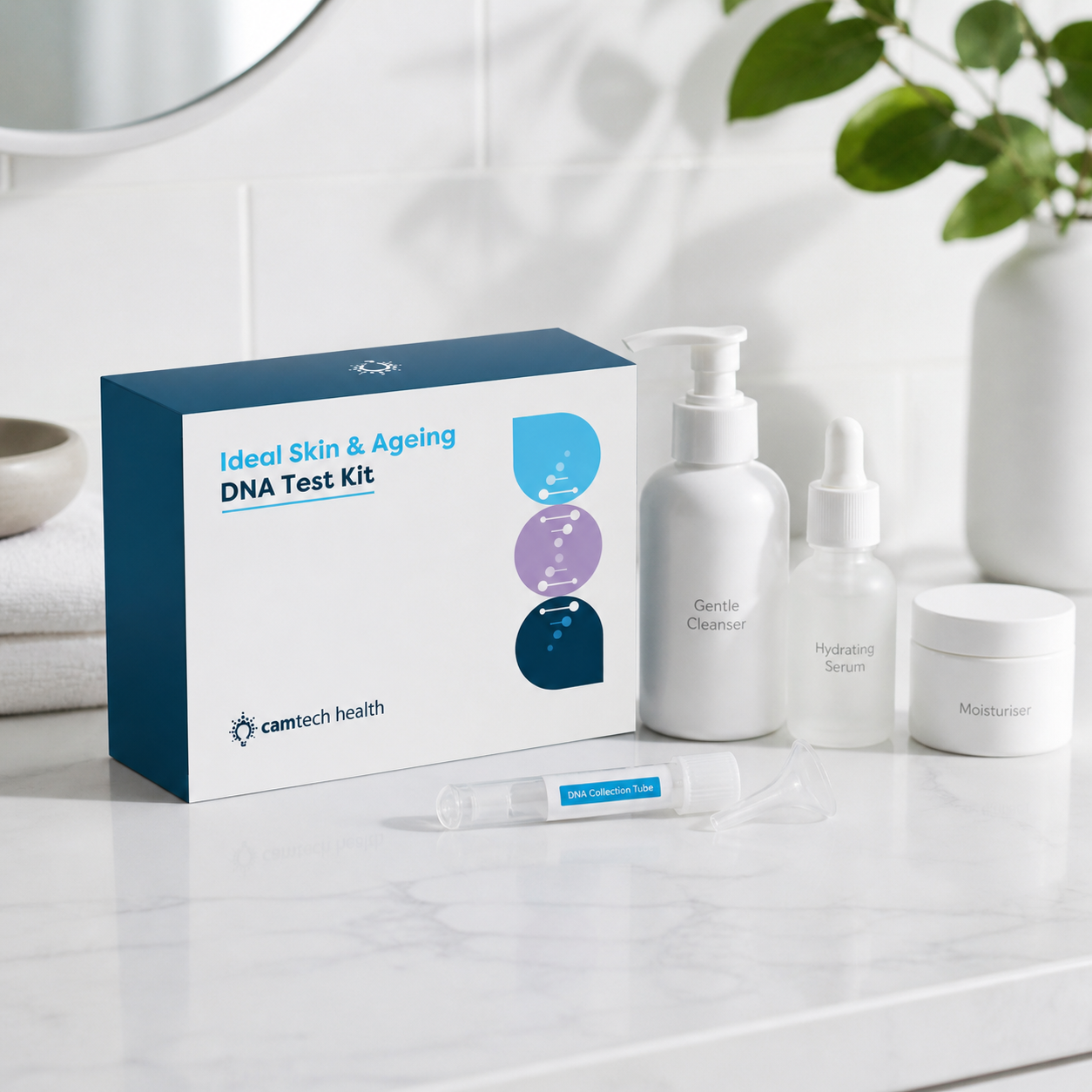
Camtech’s IDEAL Skin & Ageing DNA Test is positioned as a general wellness and lifestyle insight test. According to Camtech’s product category page, DNA wellness tests are provided for general wellness and lifestyle insight unless otherwise stated.
1. Identifying Inflammation-Prone Skin Tendencies
Some people experience redness, irritation, or discomfort more easily because their skin may be more reactive to stressors. If your genetic profile suggests a tendency towards inflammatory skin responses, you may choose to prioritise calming, barrier-supportive skincare.
This might include discussing with a skincare professional whether your routine should focus on:
- Gentle cleansers
- Moisturising ingredients
- Fragrance-free products
- Fewer active ingredients at one time
- Gradual product introduction
2. Understanding UV Sensitivity
UV exposure is one of the most important environmental factors affecting skin health and ageing. The WHO advises that UV protection may be needed year-round in tropical and near-equatorial regions, depending on skin type. It also notes that sunscreen should be used alongside shade, protective clothing, hats, and sunglasses, not as a reason to spend longer in the sun.
For people in Singapore, where UV exposure can be consistently high, understanding UV sensitivity may help support a more consistent sun protection routine. If your skin is genetically more prone to UV-related inflammation or pigmentation, this may reinforce the importance of daily protection.
3. Avoiding Common Product Triggers
Skincare ingredients that commonly trigger reactions include fragrance, preservatives, harsh cleansers, hair dyes, and certain cosmetic ingredients. The NHS lists perfumes and preservatives in toiletries or cosmetics as common irritants, while cosmetic ingredients such as preservatives, fragrances, hair dye, and nail varnish hardeners may be common allergens.
Genetic insight cannot confirm a specific allergy. For that, patch testing with a qualified healthcare professional may be needed. However, if your results suggest a tendency towards dermal sensitivity, it may encourage a more cautious approach to product selection.
4. Personalising Your Routine Instead of Chasing Trends
A personalised skincare routine is not always more complicated. In many cases, it may be simpler.
Rather than buying multiple products that target every possible skin concern, you can use your genetic insights to prioritise what your skin may need most. For someone with higher dermal sensitivity, that could mean fewer products, gentler formulas, and slower introduction of active ingredients. For someone with higher UV sensitivity, it could mean stricter sun protection. For someone with collagen-related ageing traits, it could mean earlier support for skin resilience.
For a broader explanation of how Camtech’s skin DNA test relates to collagen, UV sensitivity, glycation, and inflammation, read Camtech’s guide: Skin Ageing DNA Test for Personalised Care.
A Practical Way to Use Dermal Sensitivity Insights
Here is a simple framework for applying genetic skin insights responsibly.
Step 1: Review Your Current Routine
List every product you use, including cleanser, toner, serum, moisturiser, sunscreen, exfoliant, masks, makeup, and hair products that touch your face. Look for patterns. Does irritation happen after exfoliation? After fragrance? After sunscreen? After using several actives together?
Step 2: Simplify Before Adding More
If your skin is reactive, reduce complexity. A basic routine may include:
- Gentle cleanser
- Moisturiser
- Broad-spectrum sunscreen in the daytime
Once your skin feels stable, you can introduce targeted products one at a time.
Step 3: Test Products Gradually
The American Academy of Dermatology recommends applying a new product to a small test area twice daily for 7 to 10 days before using it more widely. This is especially useful if you have a history of reactions.
Step 4: Match Products to Your Risk Profile
If your DNA results suggest higher dermal sensitivity, look for products that are:
- Fragrance-free
- Alcohol-free where appropriate
- Designed for sensitive skin
- Barrier-supportive
- Not overloaded with multiple actives
If UV sensitivity is a key trait, daily sun protection becomes even more important. If inflammation is a concern, avoid repeatedly stripping the skin with harsh cleansers or over-exfoliation.
Step 5: Speak to a Professional When Needed

If you have persistent redness, eczema-like symptoms, swelling, severe itching, recurring rashes, or suspected allergy, consult a doctor or dermatologist. DNA wellness insights can support personal awareness, but they do not replace medical assessment.
Where Camtech Fits Into Personalised Skin Wellness
Camtech Health focuses on science-based testing and personalised health insights. The IDEAL Skin & Ageing DNA Test uses a non-invasive saliva sample to provide skin-related genetic insights. It is part of Camtech’s wider DNA & Wellness general health category, which includes tests designed to help users better understand their body and lifestyle-related traits.
For people who feel stuck in a cycle of buying, trying, reacting, and replacing skincare products, genetic insights may offer a more structured starting point. Instead of asking, “What is trending?”, you can ask, “What does my skin profile suggest I should prioritise?”
Frequently Asked Questions
1. What are dermal sensitivities?
Dermal sensitivities refer to a tendency for the skin to react more easily to products, ingredients, weather, UV exposure, or environmental triggers. This may appear as redness, dryness, itching, stinging, or tightness.
2. Can a DNA test tell me which skincare products to use?
A DNA test cannot prescribe exact skincare products or diagnose allergies. However, it may provide insights into genetic traits linked to skin sensitivity, inflammation, UV response, and ageing, which can help guide more informed skincare choices.
3. What ingredients should sensitive skin avoid?
Sensitive skin may react to ingredients such as fragrance, harsh detergents, certain preservatives, strong exfoliating acids, or retinoids. Reactions vary by person, so patch testing and professional advice may be needed.
4. Is dermal sensitivity genetic?
Genetics can play a role in skin barrier function, inflammation, and environmental response. However, skincare habits, climate, UV exposure, stress, and underlying skin conditions also matter.
5. Should I see a dermatologist for sensitive skin?
Yes, especially if symptoms are persistent, painful, severe, or recurring. A dermatologist can assess whether you have contact dermatitis, eczema, allergy, rosacea, or another skin condition.
References
- NHS. Contact dermatitis: Causes. Verified source on irritants and allergens linked to contact dermatitis.
- American Academy of Dermatology. How to test skin care products. Verified source on patch-style product testing and common irritating ingredients.
- World Health Organization. Radiation: Protecting against skin cancer. Verified source on UV Index, sun protection, clothing, and sunscreen use.
- Hoyer A, et al. Filaggrin mutations in relation to skin barrier and atopic dermatitis in early infancy. British Journal of Dermatology. 2022. DOI: 10.1111/bjd.20831.
- NCBI Bookshelf. Eczema. Verified medical overview of genetic and environmental factors in eczema, including FLG.
Medical Disclaimer
This article is for general educational and wellness information only. It does not provide medical advice, diagnosis, or treatment. Camtech’s DNA wellness tests are not intended to diagnose, treat, cure, or prevent any disease or medical condition. If you have persistent skin irritation, suspected allergy, eczema, severe redness, swelling, pain, or any other concerning symptoms, consult a qualified healthcare professional or dermatologist.
Images are assisted by AI.