
Colorectal Cancer Screening in Singapore
By Stuart Chan

March is globally recognised as Colorectal Cancer Awareness Month. It is a time dedicated to sharing important health information, reviewing preventative guidelines, and encouraging everyone to take proactive steps toward their well-being. In Singapore, colorectal cancer remains one of the most commonly diagnosed cancers among both men and women.
Despite the clear benefits of early detection, many individuals put off their screening. This delay is often due to anxiety about the procedures, worries about the preparation required, or simply struggling to find the time. Fortunately, modern diagnostic tools, including non-invasive Colosafe stool DNA testing, are making it easier than ever to prioritise your health without disrupting your daily routine.
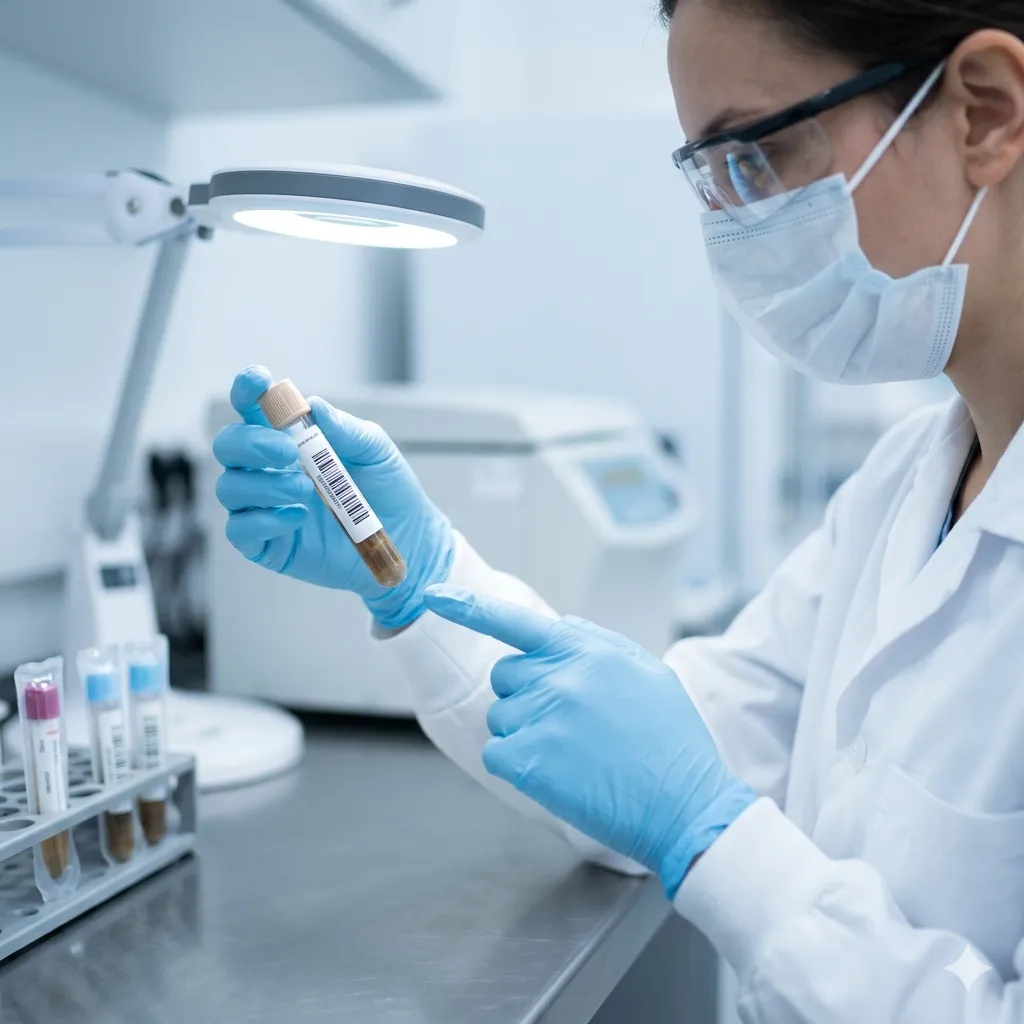

How Colorectal Cancer Develops
To understand why screening is so important, it helps to know how colorectal cancer develops. Most of these cancers begin as small, benign growths called adenomatous polyps on the inner lining of the colon or rectum. Over a period of five to ten years, these polyps can slowly mutate and become cancerous tumours.
Because early-stage polyps rarely cause any noticeable symptoms, you might feel perfectly healthy while a polyp is developing. Routine screening is designed to detect these cellular changes early, allowing doctors to remove polyps before they ever turn into cancer.
Your Screening Options Explained
There are several reliable ways to screen for colorectal cancer. Understanding how each method works can help you and your doctor choose the best path for your lifestyle and medical history.
Faecal Immunochemical Test (FIT)
The Faecal Immunochemical Test (FIT) is a simple, non-invasive method that analyses your stool for hidden (occult) human haemoglobin. This hidden blood can be an early warning sign of bleeding from large polyps or tumours. While FIT is highly accessible and requires no fasting, it is specifically designed to detect bleeding lesions and typically needs to be repeated every year to remain effective. However, it is important to note that the test can yield false positives; because the test identifies the presence of blood rather than cancer itself, non-cancerous conditions such as hemorrhoids, anal fissures, or inflammatory bowel disease (IBD) can trigger a positive result, necessitating a follow-up colonoscopy to determine the exact cause of the bleeding.
Colonoscopy
A colonoscopy is widely considered the gold standard for colorectal screening. During this procedure, a doctor uses a flexible camera to visually examine the entire lining of your colon. The major advantage of a colonoscopy is that if a doctor spots any suspicious polyps, they can remove them immediately. However, this method requires comprehensive bowel preparation, fasting, and sedation in a clinical setting.
Stool DNA Testing (Colosafe)
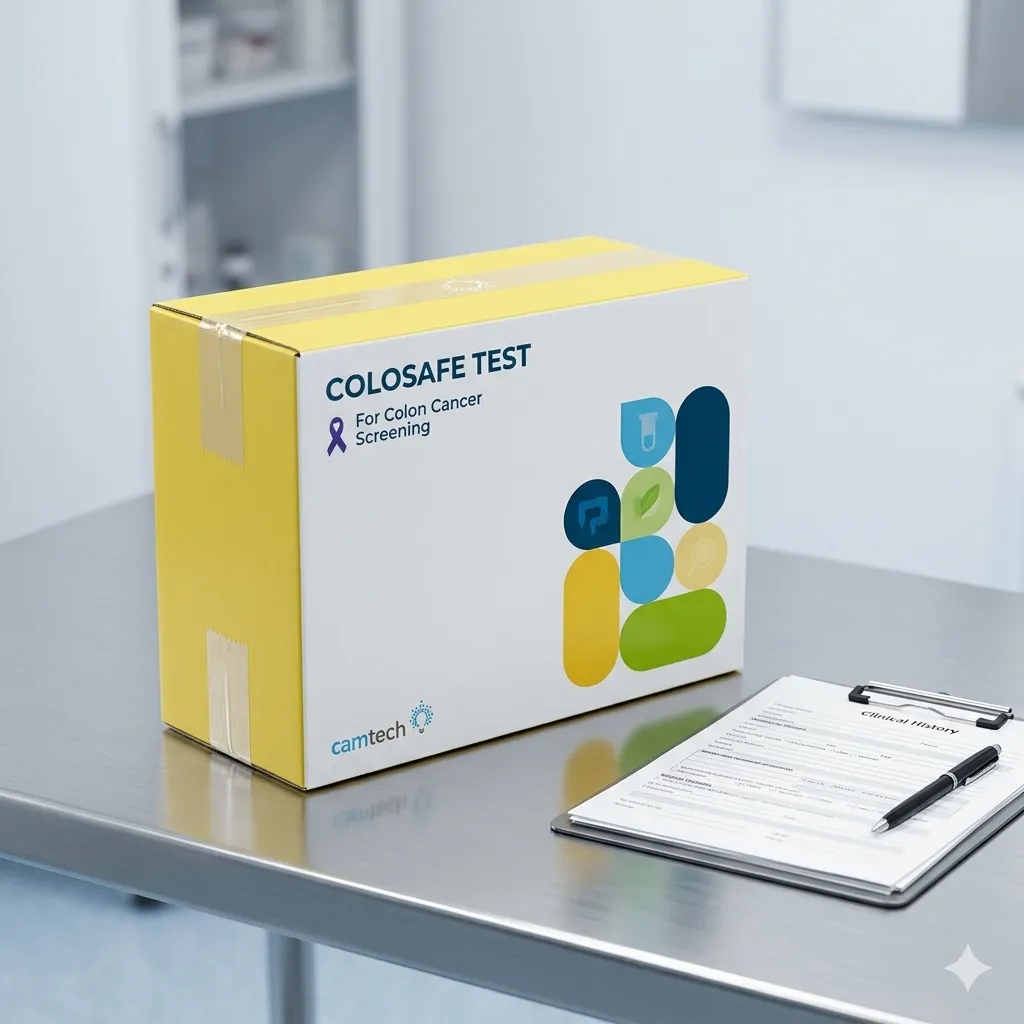
For those looking for an alternative to traditional methods, stool-based DNA diagnostics offer a highly accurate and convenient middle ground. Tests like Colosafe use advanced genomic technology to search for abnormal DNA markers associated with precancerous polyps and colorectal tumours.
Because cellular DNA mutations occur well before a polyp grows large enough to bleed, this non-invasive test can detect potential issues very early on. The Colosafe test can be done from the comfort of your home and requires absolutely no dietary restrictions or bowel preparation, making it an excellent option for busy individuals. You can read more about how this technology works in our digital health and diagnostics articles.
Who Should Get Screened?
The Ministry of Health in Singapore provides clear guidelines on when you should begin screening to ensure timely intervention:
Average Risk: If you have no personal or family history of the disease, routine screening should generally begin at age 50.
Elevated Risk: If you have a family history of colorectal cancer or a personal history of inflammatory bowel disease, you will likely need to start screening at an earlier age.
Early-Onset Trends: Recent data shows a concerning rise in early-onset colorectal cancer among younger adults. It is essential to stay vigilant about your digestive health and consult a doctor if you experience any unusual symptoms, regardless of your age.
Starting the Conversation at Home
Colorectal Cancer Awareness Month is the perfect prompt to sit down with your family and discuss your shared medical history. Knowing whether your parents or siblings have experienced colon issues is a crucial step in assessing your own risk.
Talking about screening does not have to be intimidating. By exploring non-invasive options together, you can help reduce the anxiety that often surrounds traditional diagnostic methods and empower your loved ones to take control of their preventative health.
Identifying the suitable diagnostic pathway requires a tailored approach. We recommend speaking with a registered healthcare provider to discuss your screening regimen and determine which test is right for you today.
Frequently Asked Questions (FAQ)
Q: Why is March Colorectal Cancer Awareness Month important?
A: March is dedicated to raising public awareness about colorectal cancer, educating the community on how the disease develops, and highlighting the life-saving importance of routine screening.
Q: When should I start colorectal cancer screening in Singapore?
A: For individuals with an average risk profile, the Ministry of Health recommends starting routine screening at age 50. Those with a family history of the disease or other risk factors may need to begin earlier.
Q: How does a stool DNA test compare to a Faecal Immunochemical Test (FIT)?
A: A FIT specifically looks for traces of hidden blood in your stool, which can indicate bleeding polyps. In contrast, a stool DNA test analyses the sample for abnormal genetic markers and mutated cells, allowing it to detect precancerous polyps even before they start bleeding.
Q: Does a positive stool DNA test mean I have cancer?
A: No, a positive result does not automatically mean you have cancer. It simply indicates the presence of abnormal biomarkers. If your test is positive, your doctor will recommend a follow-up colonoscopy to visually inspect your colon and provide a definitive diagnosis.
Q: Do I need to fast before taking the Colosafe DNA test?
A: No dietary restrictions or fasting are required. The Colosafe stool DNA test is designed for convenience, meaning you do not need to change your diet, stop your routine medications, or undergo any bowel preparation before collecting your sample.
Medical Disclaimer
The content provided in this article is for informational and educational purposes only and does not constitute medical advice, diagnosis, or treatment. Always seek the advice of a qualified healthcare provider regarding any medical condition or proposed treatment plan. Adherence to screening protocols should be discussed with a registered medical practitioner.
*Visuals are assisted by AI
References
SingHealth. “Colorectal Cancer – Risks, Symptoms & Treatments.” Available at: https://www.singhealth.com.sg/patient-care/conditions-treatments/colorectal-cancer
HealthHub Singapore. “Screening for Colorectal Cancer.” Available at: https://www.healthhub.sg/well-being-and-lifestyle/personal-care/screening_colorectal_cancer_nuhs
Centers for Disease Control and Prevention (CDC). “Screening for Colorectal Cancer.” Available at: https://www.cdc.gov/colorectal-cancer/screening/
PubMed. “Next-Generation Multitarget Stool DNA Test for Colorectal Cancer Screening.” New England Journal of Medicine. Available at: https://pubmed.ncbi.nlm.nih.gov/38477986/ (DOI: 10.1056/NEJMoa2310336)