World Health Day: Digital Health & Accessible Care
By Stuart Chan
Every year on April 7, World Health Day serves as a global reminder of the importance of accessible medical care and consistent health maintenance. In Singapore, our healthcare landscape is undergoing a structural shift. With an aging population and rising rates of chronic conditions like type 2 diabetes and hypertension, the Ministry of Health (MOH) has placed a strong emphasis on preventative care through initiatives like Healthier SG.
Achieving long-term clinical outcomes requires healthcare to be accessible, efficient, and integrated into the daily lives of patients. Today, digital health technology and at-home testing are bridging the gap between clinical facilities and patients’ homes, expanding access to vital medical screening.
The Evolution of Patient-Centric Digital Health
Historically, medical screening and chronic disease monitoring required taking time off work to visit a clinic or polyclinic. While Singapore boasts a highly dense and accessible network of medical facilities, schedule constraints can still lead to delayed screenings.
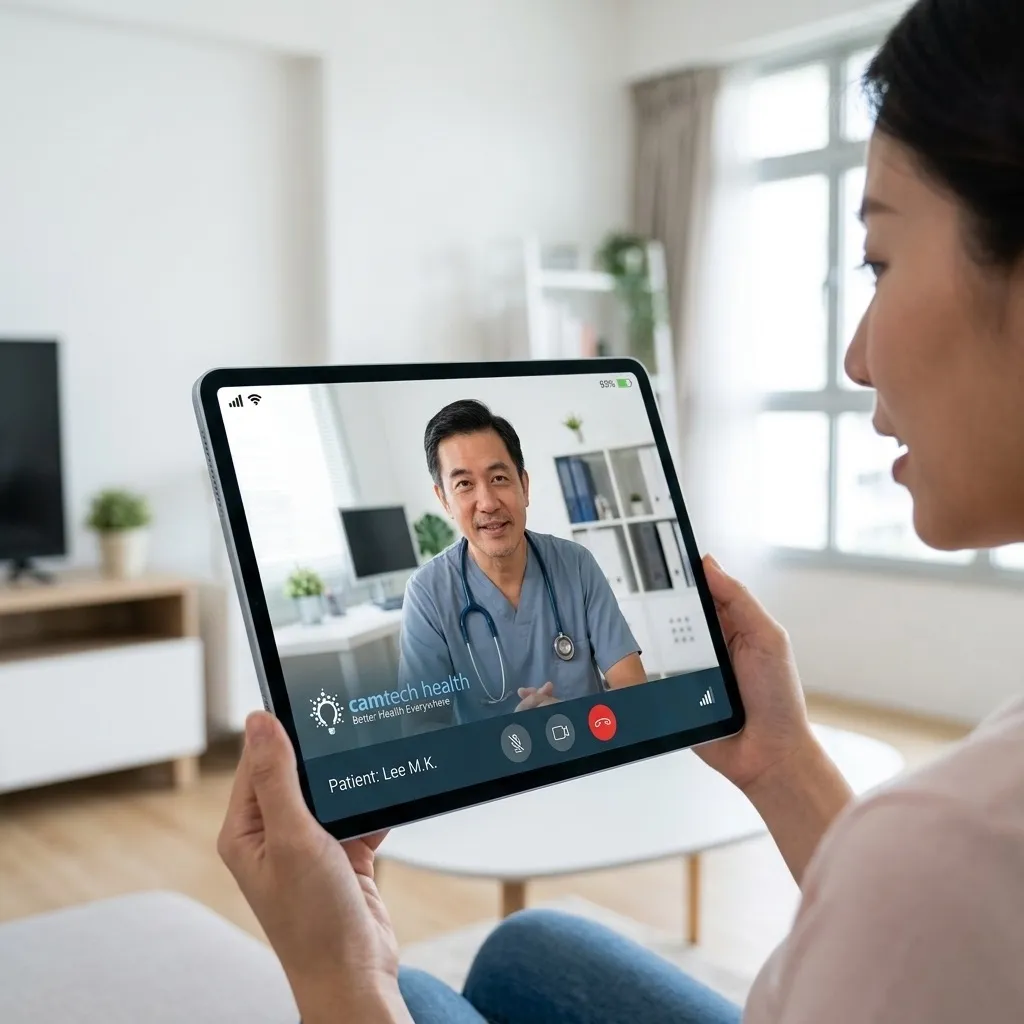
Digital health technologies, encompassing telehealth consultations, secure patient portals, and remote monitoring applications, have streamlined this process. Patients can now consult MOH-licensed medical practitioners from their living rooms, ensuring that early symptoms are evaluated promptly rather than deferred. This accessibility is particularly crucial for individuals with mobility challenges or those managing chronic illnesses that require frequent medical oversight.
The Role of At-Home Medical Testing
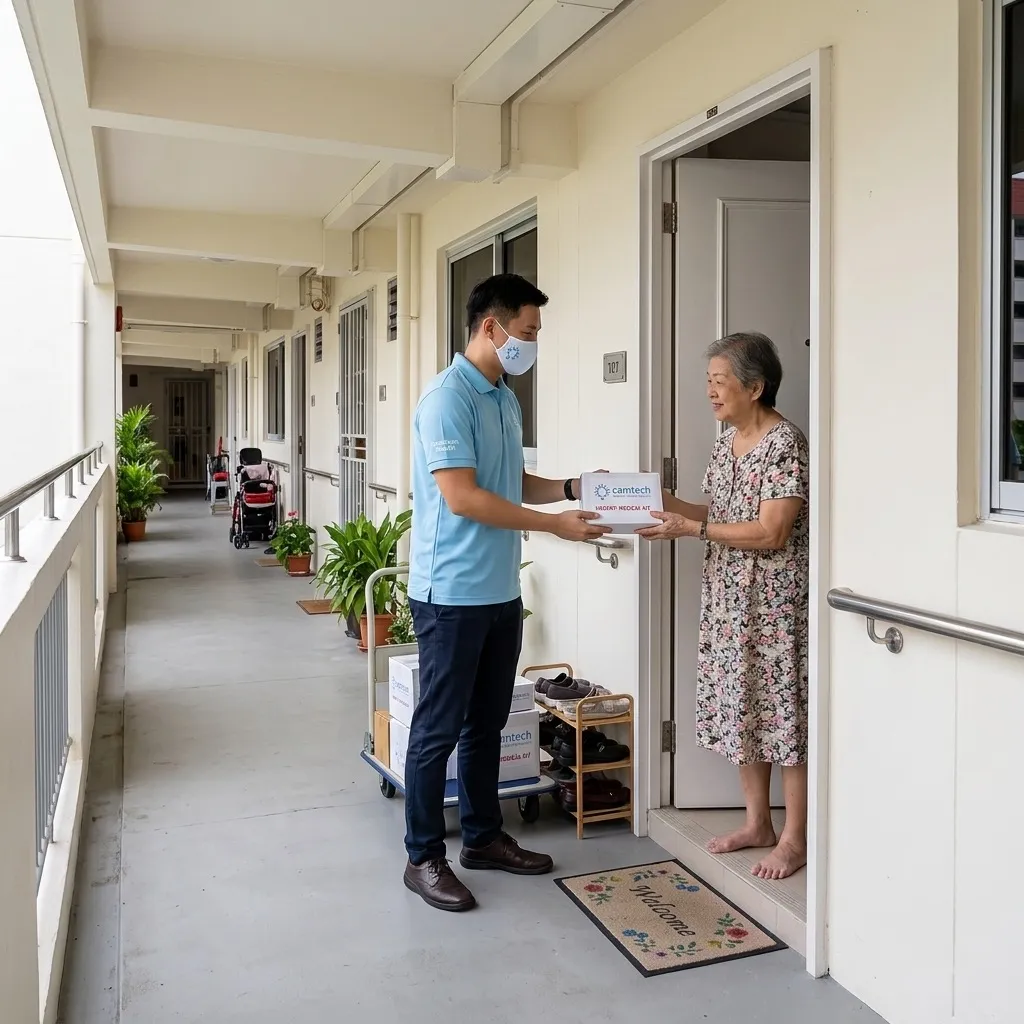
One of the most significant advancements in accessible care is the availability of at-home medical testing. Empowering patients to take an active role in their health maintenance, these diagnostic tools provide early, actionable data.
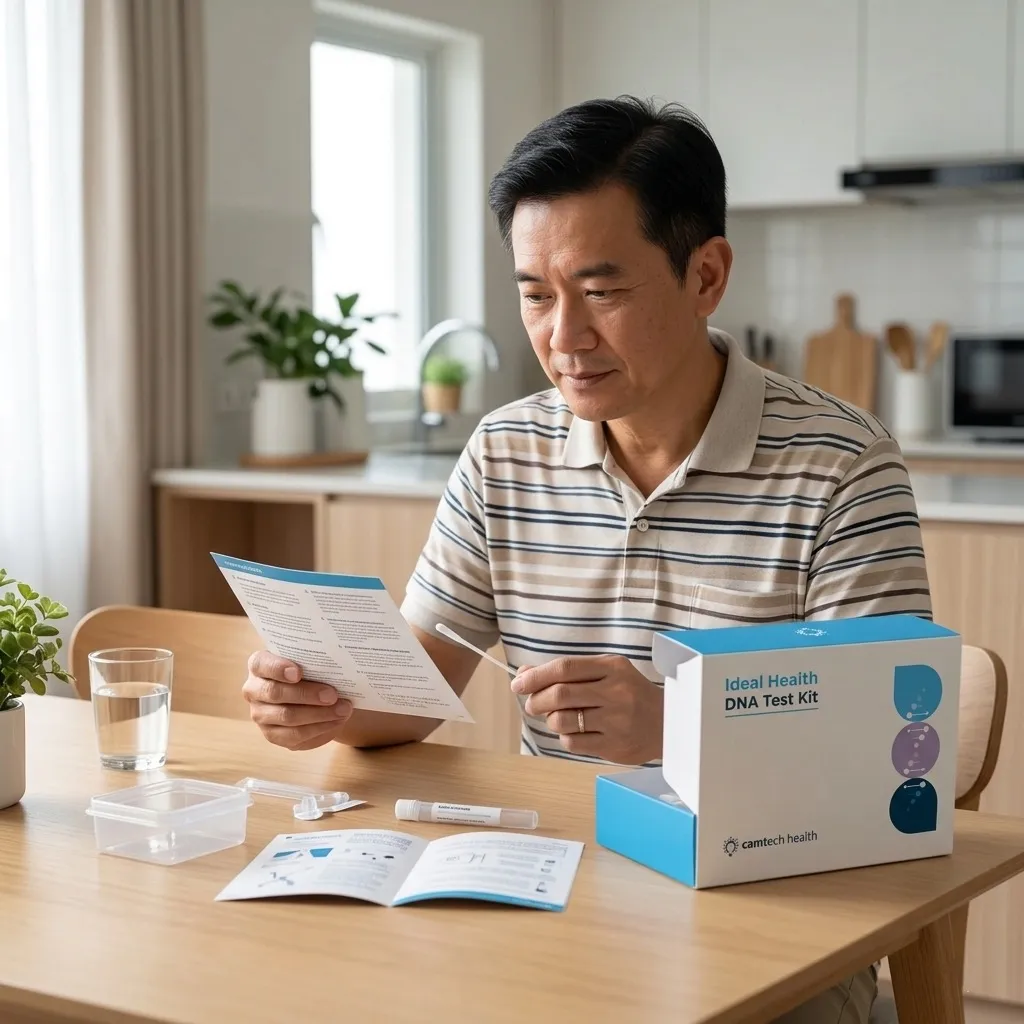
From rapid antigen tests for infectious diseases to capillary blood tests monitoring glucose or cholesterol levels, at-home kits offer a practical first step in the diagnostic pathway. Providers like Camtech are focused on developing and distributing robust, reliable diagnostic tools that allow individuals to conduct initial screenings safely at home.
When utilizing these tools, it is vital to ensure that all at-home diagnostic kits are registered with the Health Sciences Authority (HSA). HSA-approved self-test kits are rigorously evaluated for safety, quality, and clinical reliability, ensuring that the data gathered is accurate enough to inform subsequent medical consultations.
Integrating Home Diagnostics with Clinical Pathways
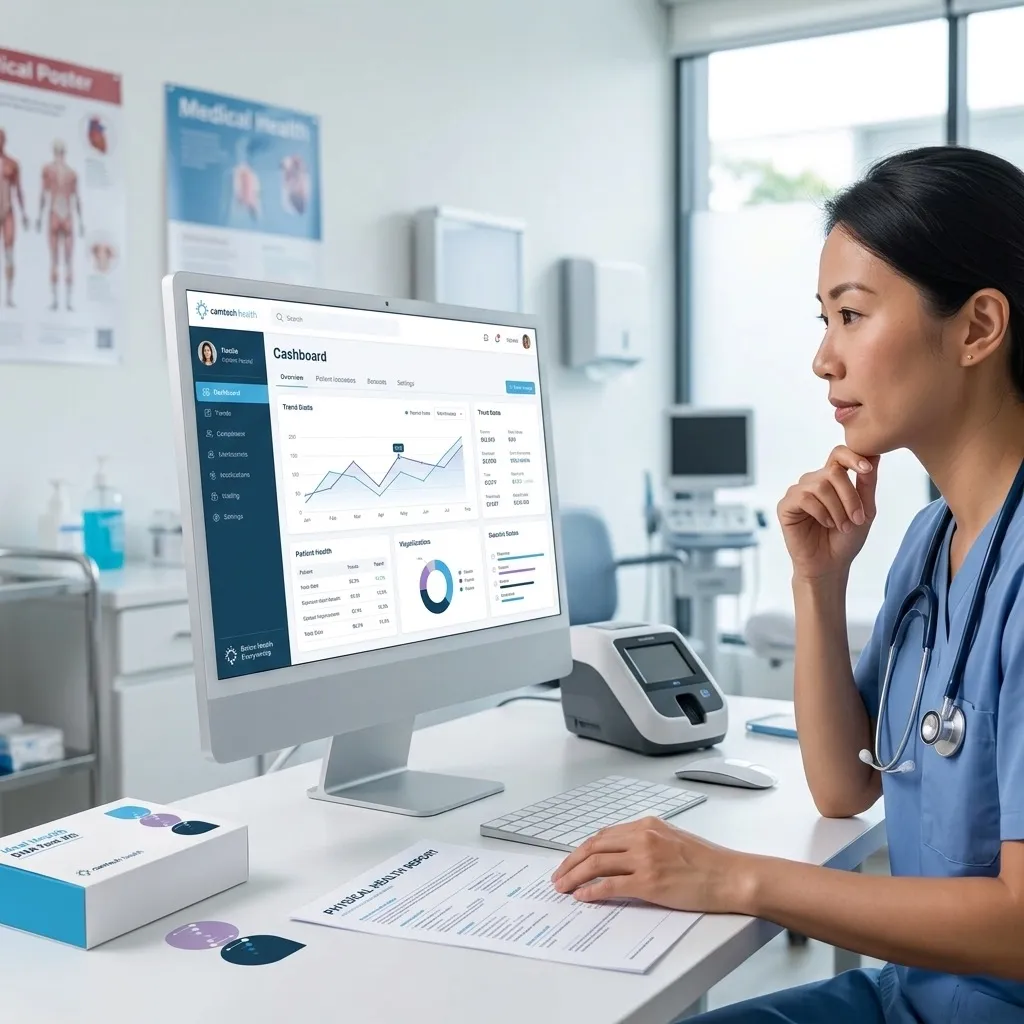
At-home testing does not replace the role of a physician; rather, it complements clinical care. For instance, a patient using a digital glucose monitor or an at-home HbA1c test kit can track their metrics over time. This data is then shared with their family physician during a telehealth or physical consultation.
By having access to a continuous stream of health data, doctors can make more informed decisions regarding medication adjustments, dietary recommendations, and long-term treatment plans. This seamless flow of information from the home to the clinic is the foundation of modern, preventative health maintenance.
Expanding Care Access for All Singaporeans
Digital health tools are steadily democratizing healthcare. In Singapore, ongoing integration with national health records systems ensures that data from approved digital platforms can be consolidated, giving physicians a comprehensive view of a patient’s medical history.
As we observe World Health Day, the focus remains on building a healthcare ecosystem that is equitable and accessible. Through the responsible use of digital health technologies and clinically validated at-home testing, we can support earlier interventions, improve patient recovery rates, and sustain better clinical outcomes for the community.
References:
- Ministry of Health (MOH) Singapore. (2023). Healthier SG: Preventative Care and Chronic Disease Management.
- Health Sciences Authority (HSA) Singapore. Regulatory Guidelines for Telehealth Medical Devices and Self-Test Kits.
- World Health Organization (WHO). World Health Day Campaigns and Accessible Care.
Medical Disclaimer:
The information provided in this article is for educational and informational purposes only and does not constitute medical advice, diagnosis, or treatment. These wellness tests are not intended to diagnose or treat any disease. Always seek the advice of your physician or other qualified health provider with any questions you may have regarding a medical condition.
*Visuals are assisted by AI
Frequently Asked Questions
Q1: Are at-home diagnostic test kits accurate enough for medical decisions?
A: At-home test kits that are registered with the Health Sciences Authority (HSA) meet strict safety and performance standards. While they provide highly reliable preliminary data for health maintenance, they are generally used for screening rather than final diagnosis. Your doctor may require confirmatory laboratory testing at a clinic to make definitive clinical decisions.
Q2: Can digital health consultations fully replace visiting a physical clinic?
A: Telehealth is a complementary service designed to increase healthcare accessibility. It is highly effective for routine chronic disease follow-ups, reviewing at-home test results, and assessing mild symptoms. However, physical examinations, complex diagnostics, and certain treatments will always require an in-person visit to a medical facility.
Q3: Are telehealth consultations and at-home tests covered by CHAS or MediSave?
A: Coverage depends on the specific medical condition and the participating clinic. Under the Healthier SG initiative and the Chronic Disease Management Programme (CDMP), certain teleconsultations for chronic conditions managed by your enrolled family physician may be eligible for CHAS subsidies or MediSave deductions. Always verify with your clinic prior to your appointment.
Q4: How do I know if a specific at-home medical device is safe to use in Singapore?
A: Before purchasing or using any medical device or test kit, ensure it is registered for local use. You can verify the safety and compliance of a device by checking the Singapore Health Sciences Authority (HSA) Medical Device Register online. Only purchase kits from reputable pharmacies, licensed clinics, or authorized distributors.