
Closing Singapore’s Cancer Screening Gap:
By Stuart Chan

Colorectal cancer remains the most common cancer in Singapore, yet a worrying trend persists: our screening rates are lagging. According to recent health surveys, only about 44.9% of eligible Singaporeans are up to date with their colorectal screenings. This figure sits significantly lower than international benchmarks, leaving a large portion of our population vulnerable to a disease that is highly treatable, and even highly treatable, when caught early.
At Camtech Health, we believe that the biggest barrier to better health outcomes isn’t a lack of awareness, but a lack of convenience. To close this screening gap, we must address why people hesitate and provide modern, non-invasive solutions like the Colosafe Test.

Understanding Common Barriers to Screening
The gold standard for colorectal cancer detection has long been the colonoscopy. While highly effective, the logistical and clinical requirements of the procedure is a primary reason many Singaporeans procrastinate.
Common barriers include:
Intensive Bowel Preparation: It requires specific dietary preparation and clinical attendance.
Dietary Restrictions: Patients often must follow a strict low-fibre or liquid-only diet for days leading up to the procedure.
Invasive Nature: The thought of a physical procedure under sedation causes anxiety for many.
Time Commitment: Between consultations, the procedure itself, and recovery time, a colonoscopy often requires taking time off work and daily responsibilities.
Comparing Stool-Based Screening Options
In Singapore, the most common entry point for colorectal screening is the Fecal Immunochemical Test (FIT), which is widely distributed through initiatives by the Singapore Cancer Society and the Healthier SG program. Understanding the differences between FIT and modern stool DNA (sDNA) tests like Colosafe can help you make an informed decision with your family doctor.
- FIT (Fecal Immunochemical Test): The established national standard for annual screening. It works by detecting trace amounts of human blood in the stool, which may be a sign of polyps or cancer.It is highly accessible, non-invasive, and requires no dietary restrictions.
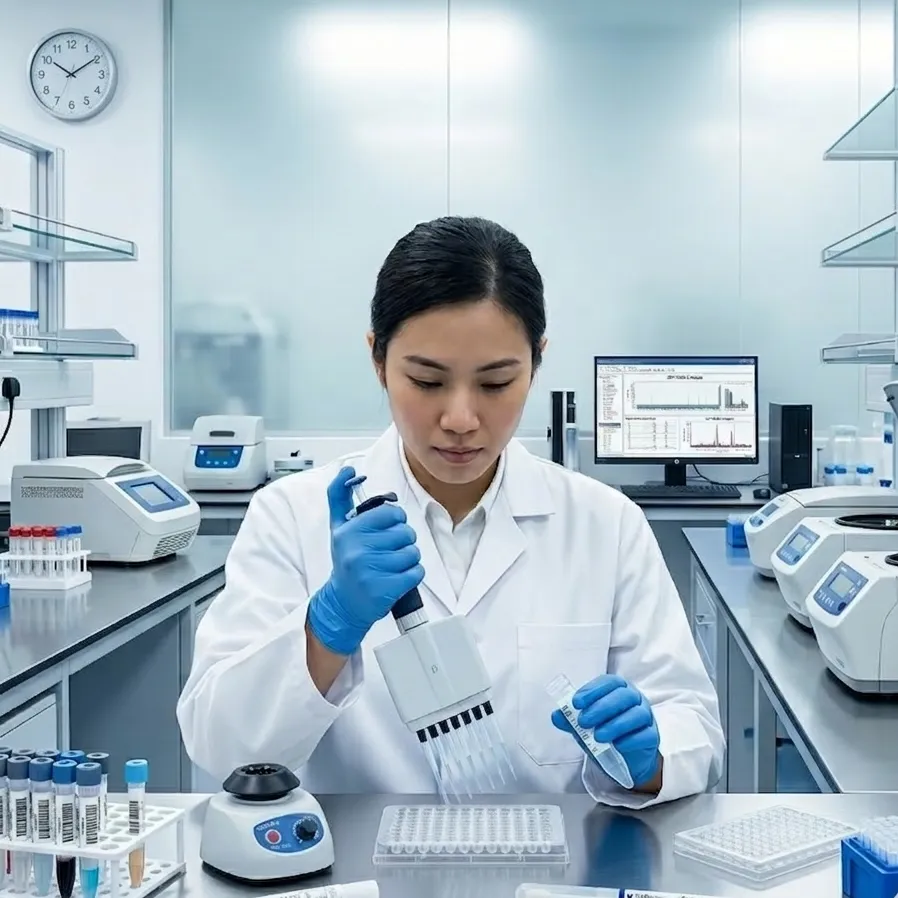
- Colosafe (Stool DNA Test): While FIT focuses on blood, Colosafe utilizes a different technological approach by analyzing genetic markers (DNA methylation) shed from the lining of the colon. Scientific studies generally indicate that stool DNA testing can offer high sensitivity in detecting early-stage lesions.
The Clinical Trade-off:
It is important to note that while DNA-based tests may offer an additional layer of detection by looking for molecular changes, they may also have a higher rate of false-positive results compared to FIT. This is why any screening result, whether from a FIT kit or a Colosafe test, must be reviewed by a qualified healthcare professional. A positive result from either test is not a diagnosis of cancer but an indication that a follow-up colonoscopy is necessary for a definitive assessment.
Bridging the Gap with Innovation: The Colosafe Stool DNA Test
To improve the health of our nation, we need to meet people where they are, at home. This is where Colosafe plays a vital role in preventative wellness.
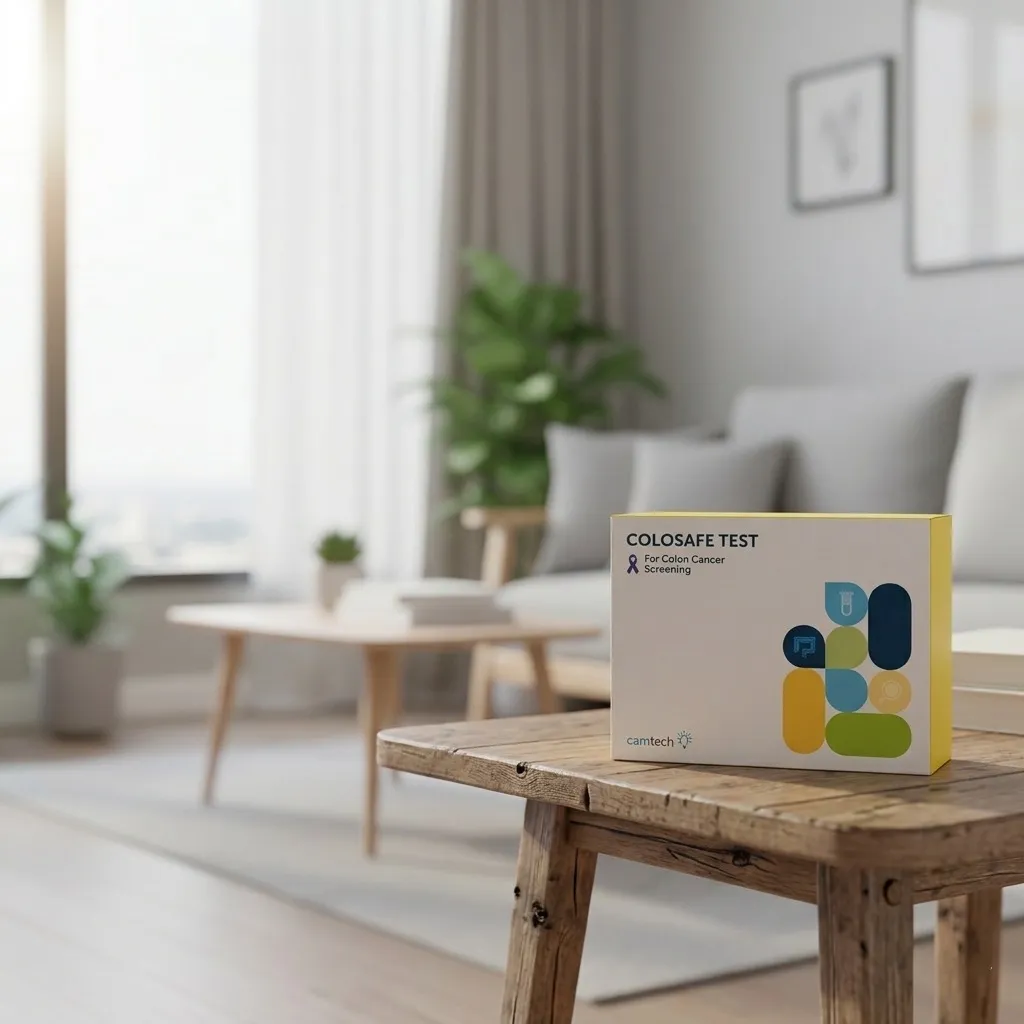
Colosafe is a non-invasive stool DNA test kit designed to detect early signs of colorectal cancer and precancerous lesions. Unlike traditional methods that focus on fecal blood, Colosafe provides an additional layer of screening by looking for specific genetic markers (SCD2) shed from the lining of the colon.
Why Convenience is the Key to Compliance
By providing a simpler alternative, Colosafe makes it easier for Singaporeans to take charge of their health:
- No Bowel Prep or Fasting: You do not need to change your diet or undergo uncomfortable bowel cleansing.
- At-Home Self-Sampling: The kit is delivered to your door, allowing you to collect a small sample in the privacy and comfort of your own bathroom.
- Fast, Digital Results: Once you return your sample, results from a licensed laboratory are available within 5 working days.
Who Should Consider the Colosafe Test?
Colosafe is recommended for individuals meeting the clinical criteria for screening, specifically:
- Individuals with a family history of colorectal cancer.
- Those who prefer a non-invasive alternative to traditional colonoscopies.
- Adults aged 50 and above, as per MOH guidelines.
Closing the screening gap in Singapore requires us to rethink our approach to diagnostics. By prioritising convenience and removing barriers, we can ensure that more Singaporeans get the early detection they need to live longer, healthier lives.
References
- Ministry of Health (MOH) Singapore: National Health Survey Trends and Cancer Screening Rates.
- Singapore Cancer Society: Colorectal Cancer Awareness and Facts.
- World Health Organization (WHO): Early Diagnosis and Screening for Cancer.
- Journal of Clinical Oncology: Efficacy of stool DNA testing in colorectal cancer screening.
Medical Disclaimer:
This article is for informational purposes only and does not constitute medical advice. Always consult with a qualified healthcare professional regarding cancer screening, diagnosis, and treatment options. If you are experiencing symptoms such as persistent changes in bowel habits or rectal bleeding, please seek immediate medical attention.
*Visuals are assisted by AI
Frequently Asked Questions (FAQs)
- Is the Colosafe test as accurate as a colonoscopy?
Colosafe is a highly sensitive screening tool for detecting DNA markers associated with cancer. While it is an excellent primary screening tool, a colonoscopy remains the definitive diagnostic procedure if a test returns a positive result. - Do I need to stop taking my medications before the Colosafe test?
No. Unlike some other tests, Colosafe does not require any dietary restrictions or changes to your medication schedule. - How often should I take the Colosafe test?
For routine screening, medical guidelines generally suggest stool-based DNA tests every 1 to 3 years, depending on your individual risk factors and your doctor’s recommendation. - Where is my sample processed?
Your sample is processed in a licensed, high-standard laboratory, ensuring quick turnaround times and high-quality results. - What happens if my Colosafe result is positive?
A positive result indicates the detection of DNA markers or blood that could be associated with precancerous lesions or cancer. You should consult a doctor immediately to schedule a follow-up colonoscopy for a definitive diagnosis.