Menstrual Cycle Monitoring: A Complete Guide
By Stuart Chan


For many, “cycle tracking” is synonymous with family planning. However, its utility extends to overall health monitoring. In modern medicine, the menstrual cycle is increasingly recognized as a “vital sign”, much like blood pressure or heart rate, providing a monthly indicator of your physiological well-being.
By understanding your body’s natural rhythm, you can better identify shifts in your health. Whether you are looking to manage your energy levels or gain a deeper connection to your biology, tracking your cycle is an informative tool for proactive health.
The Menstrual Cycle as a Vital Sign
The American College of Obstetricians and Gynecologists (ACOG) suggests that clinicians should view the menstrual cycle as a vital sign. This is because the cycle relies on complex coordination between the brain and reproductive organs. When the body experiences significant stress or underlying health changes, the menstrual cycle is often one of the first systems to reflect these shifts.
By tracking your cycle’s length and symptoms, you can establish a personal “baseline.” Identifying significant deviations—such as sudden changes in cycle length or missed periods, provides useful data to discuss with your doctor regarding conditions like thyroid health or hormonal imbalances.
The Role of Hormones (Even Without Pregnancy)
A common misconception is that ovulation is only relevant for conception. In reality, ovulation is the process that triggers the production of essential hormones, particularly progesterone.
Progesterone plays a role in supporting bone health and mood regulation. Monitoring your cycle helps you understand your hormonal patterns and confirms whether your body is following its natural endocrine processes.

Managing Your Physical and Emotional Well-being
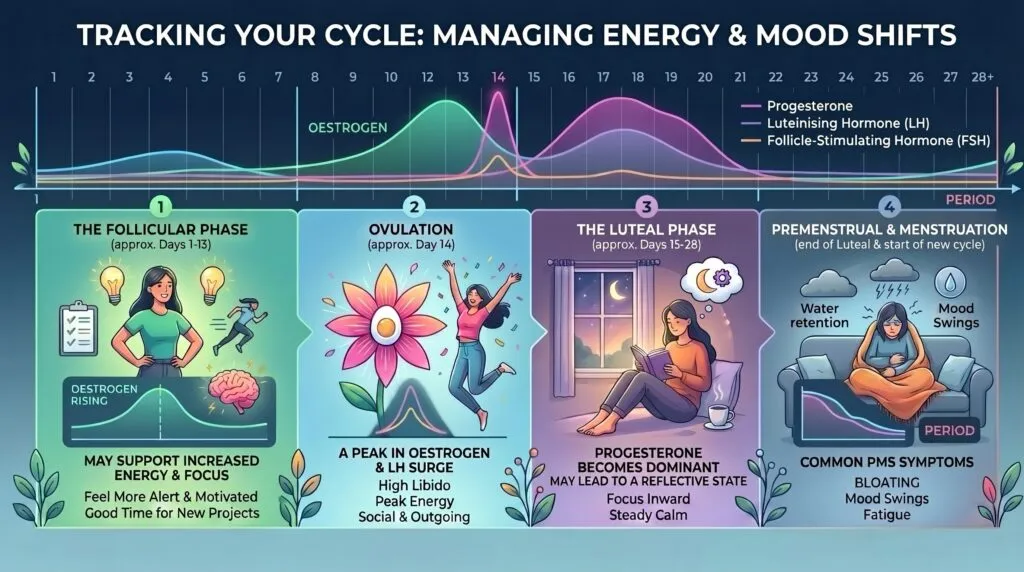
Tracking your cycle allows you to better predict and manage shifts in energy and mood. Hormones typically follow a distinct pattern:
The Follicular Phase: Oestrogen rises, which may support increased energy and focus.
Ovulation: A peak in oestrogen and a surge in Luteinising Hormone (LH).
The Luteal Phase: Progesterone becomes dominant. This may lead to a more reflective state and common PMS symptoms like bloating.
When you track these phases, you can align your activities with your energy levels. You might choose to schedule more demanding tasks during your follicular phase and prioritize rest during your luteal phase. This proactive approach helps in managing your biological rhythm more effectively.
Supporting Your Health with Data
Irregularities in your cycle can be early indicators that warrant professional advice. For instance, changes in flow or cycle length may indicate concerns like fibroids or endometriosis.
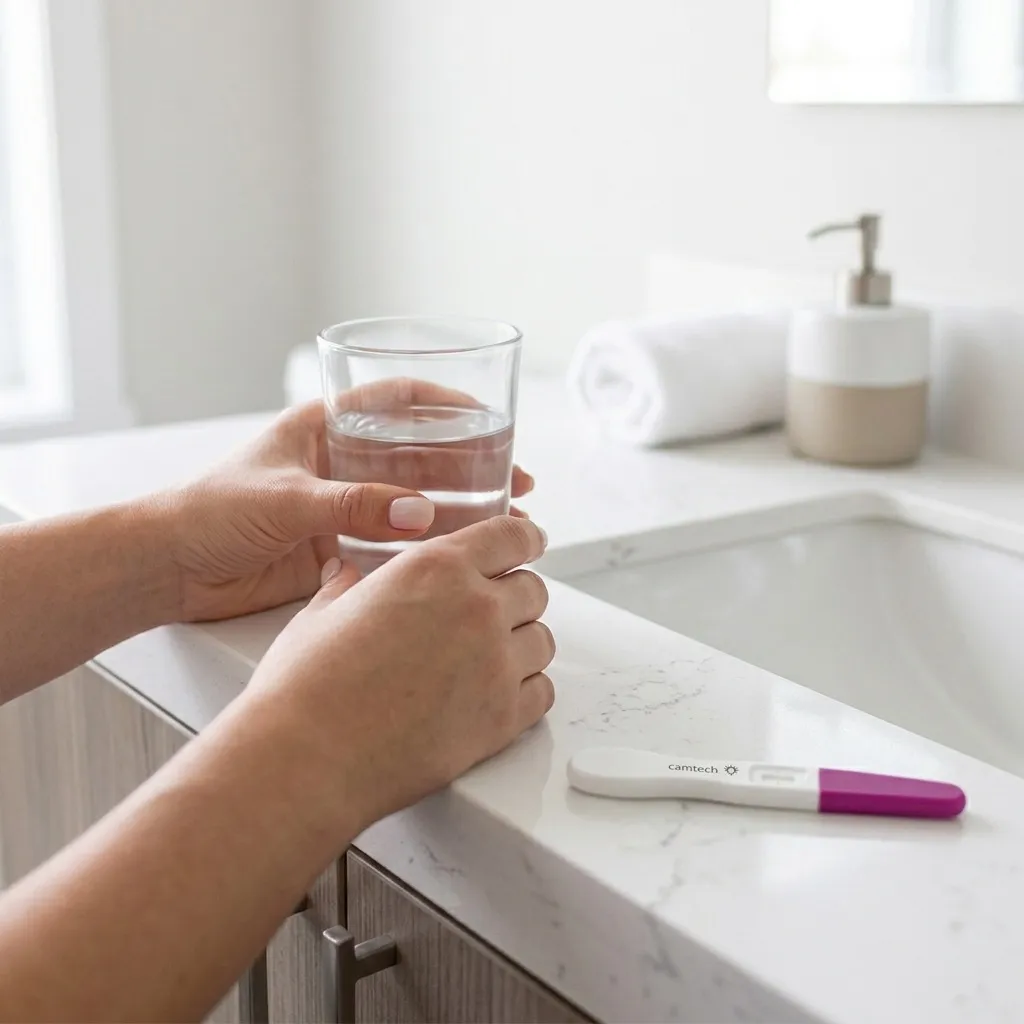
Digital health tools and clinically validated at-home tests can help bridge the gap between noticing a symptom and seeking professional advice. Maintaining a detailed log empowers you to have more productive, data-driven conversations with your physician.
Your Path to Proactive Health
At Camtech Health, we believe that informed data is the foundation of health awareness. In line with national health guidelines, we advocate for regular screenings, such as HPV testing, to support long-term reproductive health.
Understanding your body is a significant step toward informed health. We encourage you to consult with a healthcare professional to learn more about how at-home health testing may support your personal health journey.
References
- NHS (UK): Periods and fertility in the menstrual cycle
- ACOG: Menstruation in Girls and Adolescents: Using the Menstrual Cycle as a Vital Sign
- Mayo Clinic: Menstrual cycle: What’s normal, what’s not
- World Health Organization (WHO): Sexual and Reproductive Health and Research
Medical Disclaimer
This article is for informational purposes only and does not constitute medical advice, diagnosis, or treatment. Always seek the advice of your physician or other qualified health providers with any questions you may have regarding a medical condition. Never disregard professional medical advice or delay in seeking it because of something you have read on this blog.
*Visuals are assisted by AI
Frequently Asked Questions (FAQs)
- Can I track my cycle if I am on hormonal birth control?
While you can record the days you experience bleeding, hormonal contraceptives (such as the pill, patch, or hormonal IUD) generally work by preventing ovulation. The bleeding experienced is typically a “withdrawal bleed” rather than a physiological menstrual period. Because these methods regulate your hormones externally, you will not observe the same natural fluctuations as you would on a natural cycle. - How long is a “normal” menstrual cycle?
An average cycle is often cited as 28 days, but a range between 21 and 35 days is generally considered clinically normal for adults. What is most important is your personal “baseline” and consistency. If you notice your cycles are consistently shorter than 21 days or longer than 35 days, it is recommended to consult a healthcare professional for an evaluation. - What are common indicators of ovulation?
Common physiological indicators that may suggest ovulation include changes in cervical mucus (becoming clear and stretchy), a slight rise in basal body temperature, or mild, localized pelvic discomfort. Tracking these indicators provides data that can help you understand your reproductive rhythm, but they should not be used as a definitive diagnostic of fertility status without clinical consultation. - Why might my period be irregular if I am not pregnant?
Several lifestyle factors can influence cycle regularity, including high stress levels, significant changes in weight, or intensive exercise routines. In some cases, persistent irregularities may be linked to underlying health conditions. If you experience ongoing irregularity, you should speak with a doctor to investigate potential causes, such as thyroid function or hormonal imbalances like PCOS. - How can tracking support my mental well-being?
By identifying which phase of your cycle you are in, you can better recognize if shifts in your mood or energy correlate with hormonal changes. This awareness allows you to identify personal patterns over time. This data is particularly helpful when discussing symptoms of PMS or PMDD (Premenstrual Dysphoric Disorder) with a healthcare provider to develop a formal management plan.