
Addressing the Diagnostic Gap in Singaporean Men's Health
By Stuart Chan
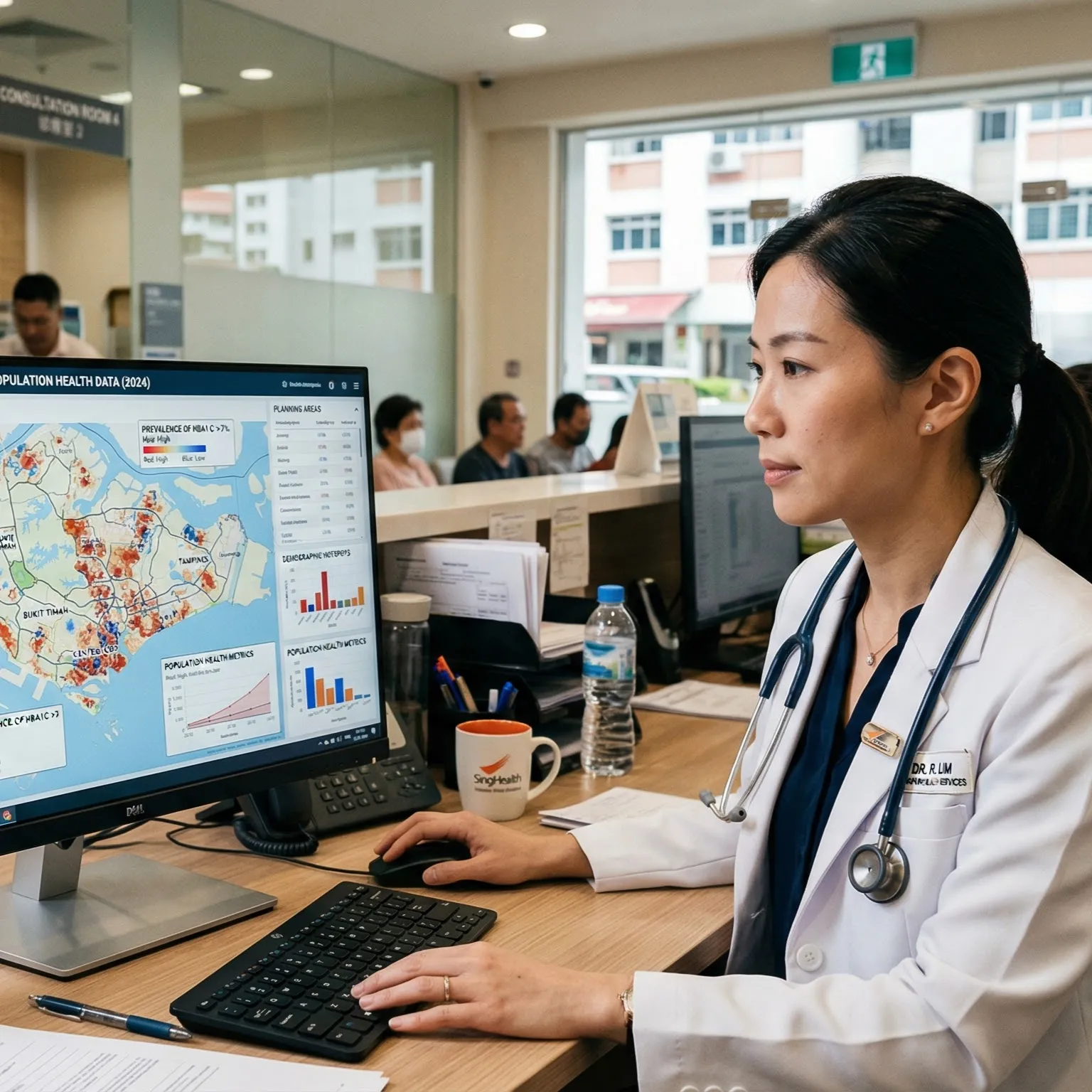
In Singapore’s busy clinical environment, one challenge remains important in men’s health: the gap between when a health issue begins and when it is identified through screening, testing or medical review.
Some men may delay screening not because they are uninterested in their health, but because the process can feel difficult to fit into work, family and daily responsibilities. Clinic visits, specimen collection, follow-up appointments and waiting time can all contribute to delay.
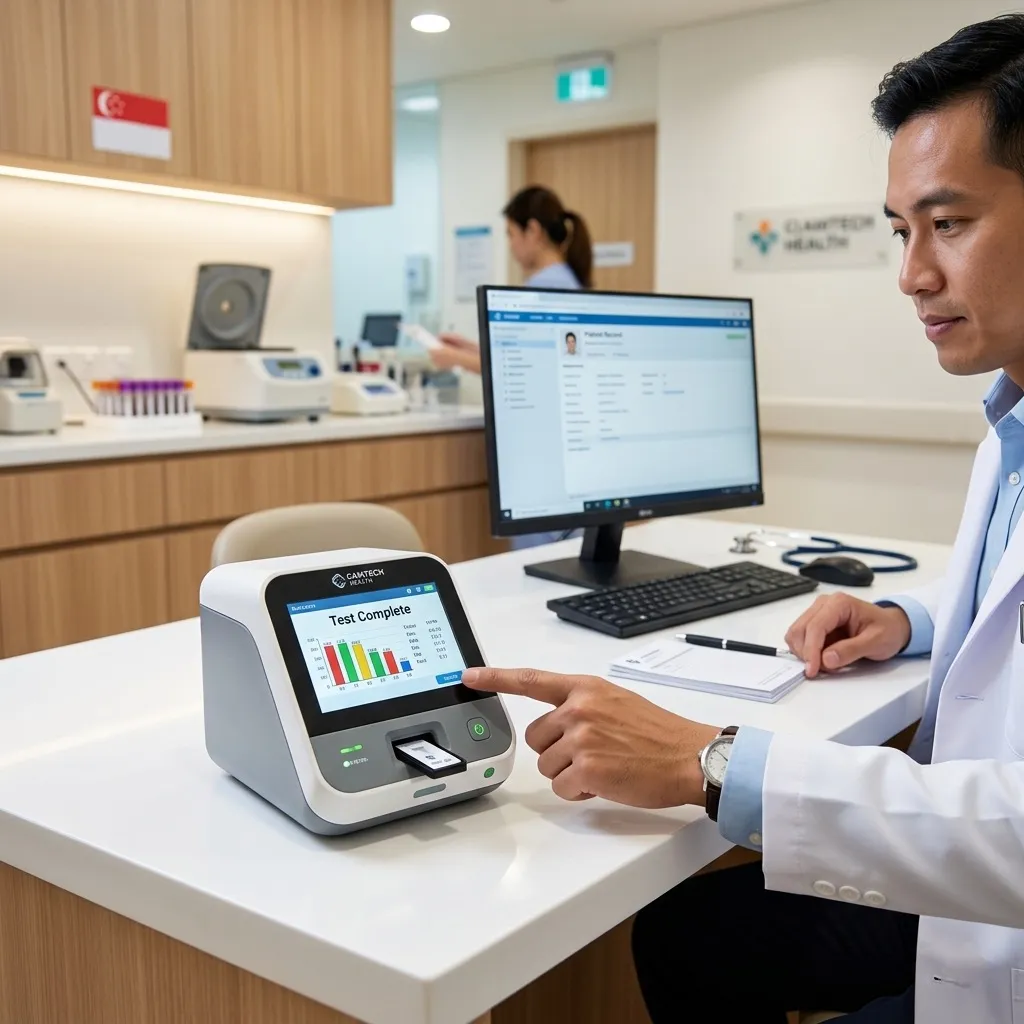
At Camtech Health Singapore, the focus is on making clinically relevant testing easier to access while keeping medical interpretation responsible. Point-of-care testing, microfluidics, molecular diagnostics and digital reporting may help reduce friction when used appropriately and alongside qualified healthcare advice.
The Diagnostic Gap in Men’s Health
The diagnostic gap refers to the time between the biological onset of a condition and its clinical diagnosis. In men’s health, this gap can be relevant for chronic conditions such as high blood pressure, high blood cholesterol, diabetes and some cancers.
Singapore’s national screening direction reflects the importance of earlier detection. Through Healthier SG Screening, eligible Singapore Citizens may receive subsidised screening tests based on age, gender, pre-existing conditions and their last screening date. The HealthHub Healthier SG Screening page also explains that screening may include cardiovascular risk screening and colorectal cancer screening where appropriate.
The issue is not only awareness. It is also friction. A working adult may need to take time off, travel to a clinic or laboratory, complete a sample collection process, and return later to discuss results. For some Singaporean men, these steps can make screening feel easier to postpone.
Reducing this gap requires more than telling men to “go for checks”. It requires practical pathways that make screening and follow-up easier to complete, while ensuring results are interpreted safely by qualified healthcare professionals.
Why Accessibility Matters in Singapore
Accessibility in healthcare is not only about location. It includes time, privacy, cost, clarity and the ability to act on results. A test that is difficult to arrange may be deferred. A result that is hard to understand may not lead to the right next step.
This is where decentralised testing models can play a useful role. Some tests may be performed closer to the patient, in a clinic, workplace health setting or home collection model, depending on the test type and regulatory requirements. For broader patient education, the Camtech Health guide to home health screening in Singapore explains how sample collection and digital reporting may support more convenient screening pathways.
However, accessibility should not be confused with self-diagnosis. Screening and testing can provide useful information, but abnormal findings, persistent symptoms or unclear results should be reviewed by a doctor.
Technical Innovation: How Microfluidics Supports Point-of-Care Testing
Microfluidics involves the control of very small amounts of fluid within small channels or chips. In diagnostics, this can help miniaturise parts of a laboratory process, allowing selected assays to be performed in smaller devices.
This technology is often described as “lab-on-a-chip”. In practical terms, it may support point-of-care testing for selected markers when the device is properly validated and used according to its instructions. For example, point-of-care testing may be used in certain settings for blood glucose, infectious disease markers or other clinically selected tests.

For men who may otherwise delay screening, faster result availability can support a more immediate clinical conversation. Instead of collecting a sample and waiting for a separate follow-up, some point-of-care models may allow the patient and clinician to discuss next steps within the same visit.
The regulatory context remains important. In Singapore, medical devices and in-vitro diagnostic devices are regulated by the Health Sciences Authority. Providers should use tests that are appropriate for their intended purpose and should communicate the limits of each test clearly.
Molecular Diagnostics and Earlier Detection
Molecular diagnostics look for specific biological signals, such as nucleic acids or molecular biomarkers, that may be associated with a disease process, infection or inherited trait. These methods can provide clinically useful information when applied in the right context.
In men’s health, earlier detection is particularly relevant for conditions that may not cause obvious symptoms at first. High blood pressure, abnormal cholesterol, early metabolic dysfunction and early colorectal changes can develop quietly. This is why screening should be based on age, risk factors, family history and medical advice, rather than symptoms alone.
Molecular testing may also support certain screening pathways, including selected cancer screening approaches. For example, stool-based colorectal cancer screening options may be considered for eligible adults, while colonoscopy remains an important diagnostic and follow-up procedure when clinically indicated.
The key point is balance. Molecular diagnostics can provide detailed information, but they do not remove the need for clinical judgement. Results should be interpreted together with medical history, symptoms, risk factors and other investigations where needed.
Local Population Data: Why Singaporean Context Matters
Genomic and molecular data can be affected by population differences. Singapore’s population includes Chinese, Malay, Indian and other communities, and findings derived mainly from European or North American populations may not always apply in the same way.
Singapore has recognised this through national precision medicine efforts. Precision Health Research, Singapore coordinates the National Precision Medicine programme, which aims to generate insights into Asian genomics and support clinical and research use in Singapore.
For any provider offering genetic or molecular testing, local relevance matters. Patients should be told what the test can and cannot show, how the result is interpreted, whether the evidence base is applicable to their background, and what clinical follow-up may be needed.
From Reactive Care to Longitudinal Health Monitoring
Many people only seek medical care when something feels wrong. In men’s health, this reactive pattern can miss early changes that are easier to address when identified sooner.
Longitudinal health monitoring means looking at trends over time rather than relying only on a single reading. For example, a gradual change in blood pressure, cholesterol, glucose control or weight may be clinically relevant even before a major problem appears.
Digital platforms may make this easier by organising results, tracking changes and helping patients bring clearer information to medical appointments. Camtech Health’s Singapore site includes information on available tests and digital support through the Camtech Health platform.
Still, digital data should support clinical care rather than replace it. A trend that appears concerning should be reviewed by a healthcare professional who can assess the patient’s overall context.
How This Supports Singapore’s Healthcare Direction
Singapore’s healthcare system is increasingly focused on preventive health and earlier intervention. Programmes such as Healthier SG encourage residents to build an ongoing relationship with a family doctor and keep up with recommended screening.
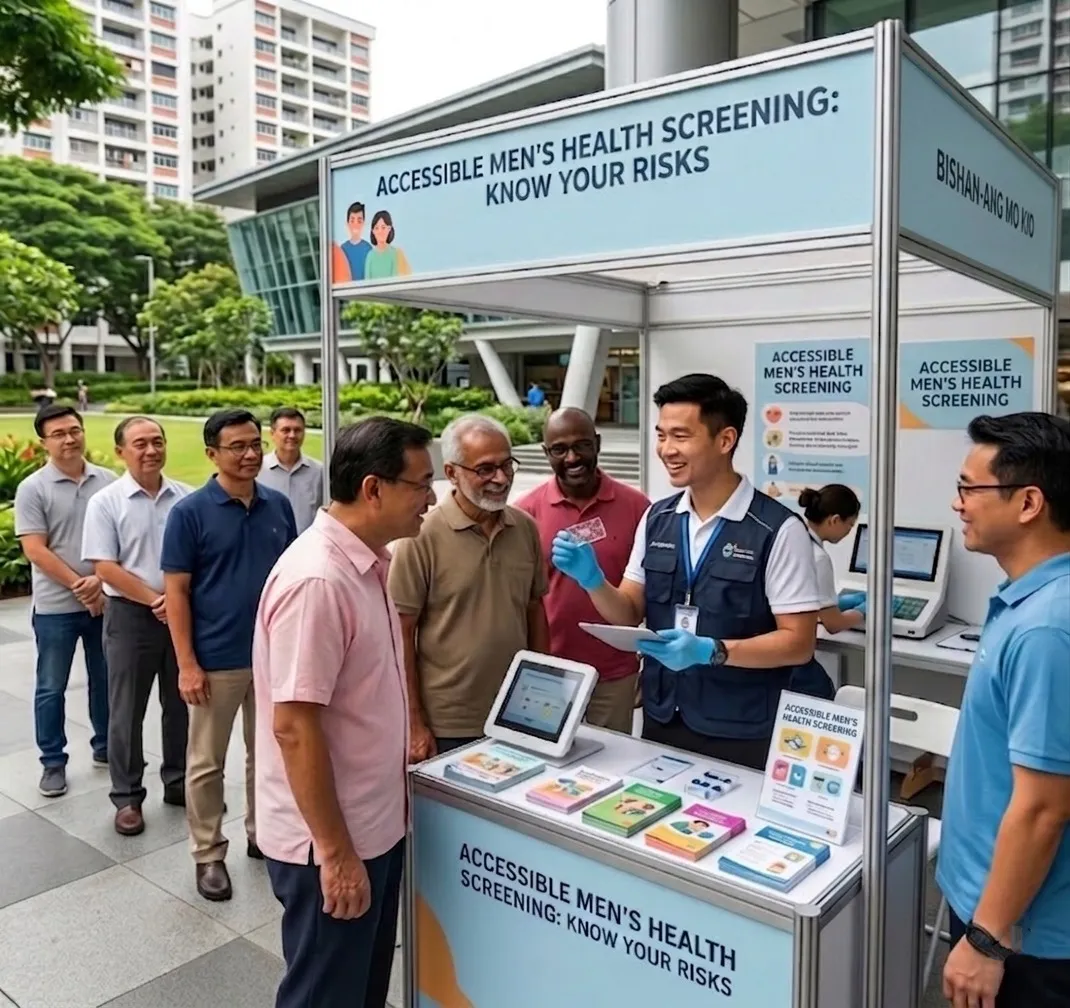
More accessible testing pathways may support this direction by reducing practical barriers. When men can complete appropriate screening more easily, discuss findings sooner and receive advice on next steps, they may be less likely to delay care until symptoms become harder to ignore.
This can also support better use of healthcare resources. Earlier identification of risk does not guarantee prevention of disease, but it may allow timely lifestyle changes, monitoring, medical review or further investigations where appropriate.
What Singaporean Men Can Do Next
Men in Singapore can take a practical approach to screening and health monitoring by:
- Checking which screenings are recommended for their age and risk profile.
- Speaking with a GP or family doctor about blood pressure, cholesterol, diabetes and colorectal cancer screening.
- Using point-of-care or home collection tests only for their intended purpose.
- Keeping copies of test results and tracking changes over time.
- Seeking medical review for abnormal results, persistent symptoms or family history concerns.
Closing the diagnostic gap in men’s health requires both patient action and better access. Technology can reduce friction, but safe clinical care still depends on appropriate testing, clear interpretation and timely medical follow-up.
For more patient-friendly articles on screening, diagnostics and home testing in Singapore, visit the Camtech Health Singapore blog.
References
- Ministry of Health Singapore. Healthier SG Screening.
- Health Sciences Authority Singapore. Medical Devices Regulatory Overview and Guidance Documents for Medical Devices.
- Precision Health Research, Singapore. Singapore’s National Precision Medicine Programme.
- Yang SM, Lv S, Zhang W, Cui Y. Microfluidic Point-of-Care Devices in Early Diagnosis. Sensors. 2022.
Medical Disclaimer
This article is for general educational information only and should not be used as medical advice, diagnosis or treatment. Screening tests, point-of-care tests, molecular tests and genetic tests should be interpreted according to their intended use and, where relevant, by a qualified doctor or healthcare professional. If you have symptoms, abnormal results, a family history of disease or concerns about your health, please consult a Singapore-registered doctor or appropriate healthcare professional.
*Visuals are assisted by AI
Keywords
Primary keyword: men’s health screening Singapore
Secondary keywords: men’s health Singapore, point-of-care testing Singapore, microfluidics diagnostics, preventive health screening Singapore, clinical biomonitoring
Related search terms used naturally: Healthier SG screening, chronic disease screening Singapore, molecular diagnostics Singapore, colorectal cancer screening Singapore, blood pressure screening, cholesterol screening, digital health monitoring
Patient FAQ
1. What health screenings should men in Singapore consider?
Screening needs depend on age, medical history, family history and risk factors. Common areas to discuss with a doctor include blood pressure, cholesterol, diabetes and colorectal cancer screening. Eligible Singapore Citizens may also check whether they qualify for Healthier SG Screening.
2. Does point-of-care testing replace a doctor’s consultation?
No. Point-of-care testing may provide faster results for selected tests, but it does not replace medical assessment. A doctor can interpret the result together with symptoms, medical history, medication use and other investigations where needed.
3. Are genetic or molecular tests useful for every man?
Not always. Genetic and molecular tests may provide useful information in selected situations, but they should be chosen for a clear purpose. Patients should understand what the test can show, what it cannot show, and whether follow-up with a healthcare professional is needed.
4. What should I do if my test result is abnormal?
Do not ignore an abnormal result. Keep a copy of the report and arrange a review with a qualified doctor or healthcare professional. Further assessment may include repeat testing, physical examination, additional laboratory tests or referral to a specialist where appropriate.