Positive COVID-19 and Flu A/B Test in Singapore: What to Do Next
By Stuart Chan
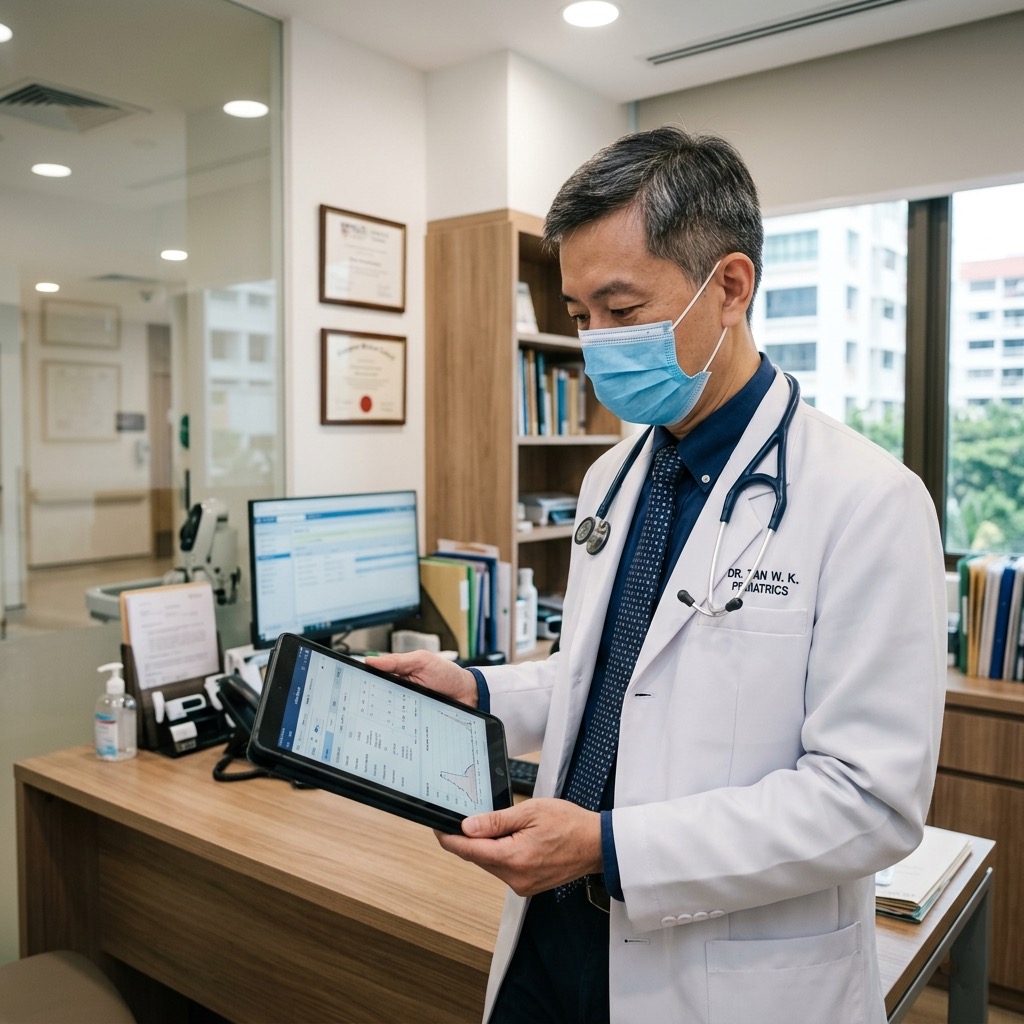
A positive COVID-19 and Flu A/B test result can help you take timely steps when you have respiratory symptoms. The next steps are to reduce spread, monitor your symptoms, and seek medical care when needed.
This guide explains what Singapore residents can do after a positive result from a home diagnostic kit. It is intended for general education and should be read together with official public health information from the Communicable Diseases Agency, the Health Sciences Authority and advice from your doctor.
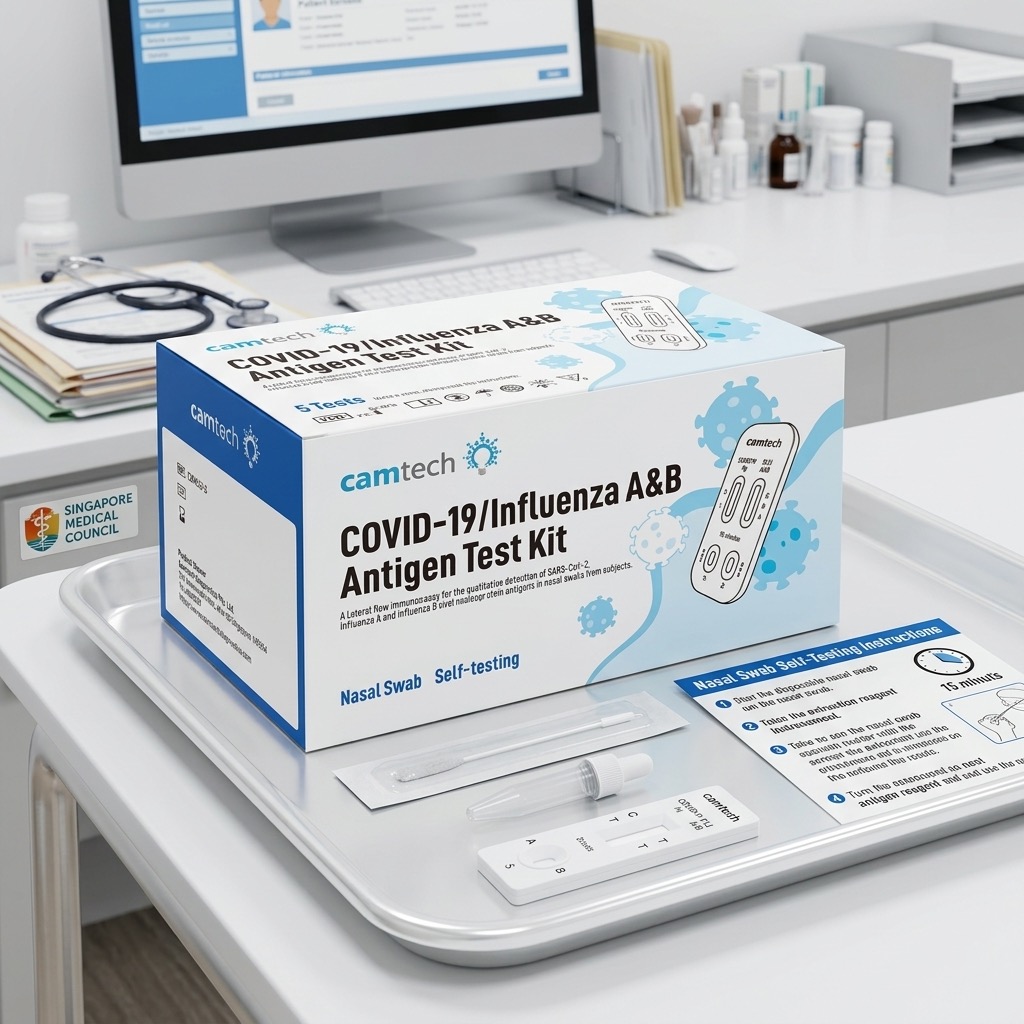
Home diagnostic kits can support earlier recognition of respiratory infections when used according to the instructions provided.
What a Positive COVID-19 or Flu A/B Test Result Means
A positive result suggests that the test has detected the target infection marker for COVID-19, Influenza A or Influenza B. It should be interpreted together with your symptoms, exposure history and the specific instructions provided with your kit.
If you are using a home test, follow the swabbing steps, timing window and result-reading instructions carefully. HSA advises that incorrect sampling technique, such as not swabbing both nostrils as instructed, can affect the test outcome. HSA also reminds consumers to purchase and use tests that have been authorised by HSA.
For users comparing respiratory testing options, Camtech Health provides information on the Covid-19 & Flu A/B Test Kit and other respiratory health tests. Product suitability, usage instructions and regulatory availability should always be checked before use.
Key steps after a positive result
- Stay home while unwell and reduce close contact with others.
- Wear a mask if you need to leave home for medical care or essential reasons.
- Avoid close contact with seniors, pregnant persons, young children and people with chronic medical conditions where possible.
- Monitor fever, breathing, hydration, chest discomfort and unusual drowsiness.
- Speak with a doctor if symptoms are worsening, persistent, moderate to severe, or if you are in a higher-risk group.
Immediate Clinical Steps After a Positive Result
1. Reduce transmission risk at home
Stay in a separate room where possible, avoid sharing utensils and keep commonly touched surfaces clean. Singapore's CDA advises the public to practise personal and social responsibility, including minimising social interactions and unnecessary travel when unwell, and wearing a mask when displaying symptoms such as runny nose, sore throat, headache or fever.
2. Monitor your symptoms
COVID-19 and influenza can cause overlapping symptoms. The CDA lists common COVID-19 symptoms such as fever, chills, sore throat, cough, runny nose, headache, fatigue and muscle aches. HealthHub notes that influenza symptoms often come on suddenly and may include high fever, sore throat, cough, headache, muscle aches and blocked nose.
3. Keep a simple symptom record
Note your test date, symptom start date, temperature readings, medication taken and whether your breathing or energy level is changing. This can help a GP or telemedicine doctor assess your condition more clearly.
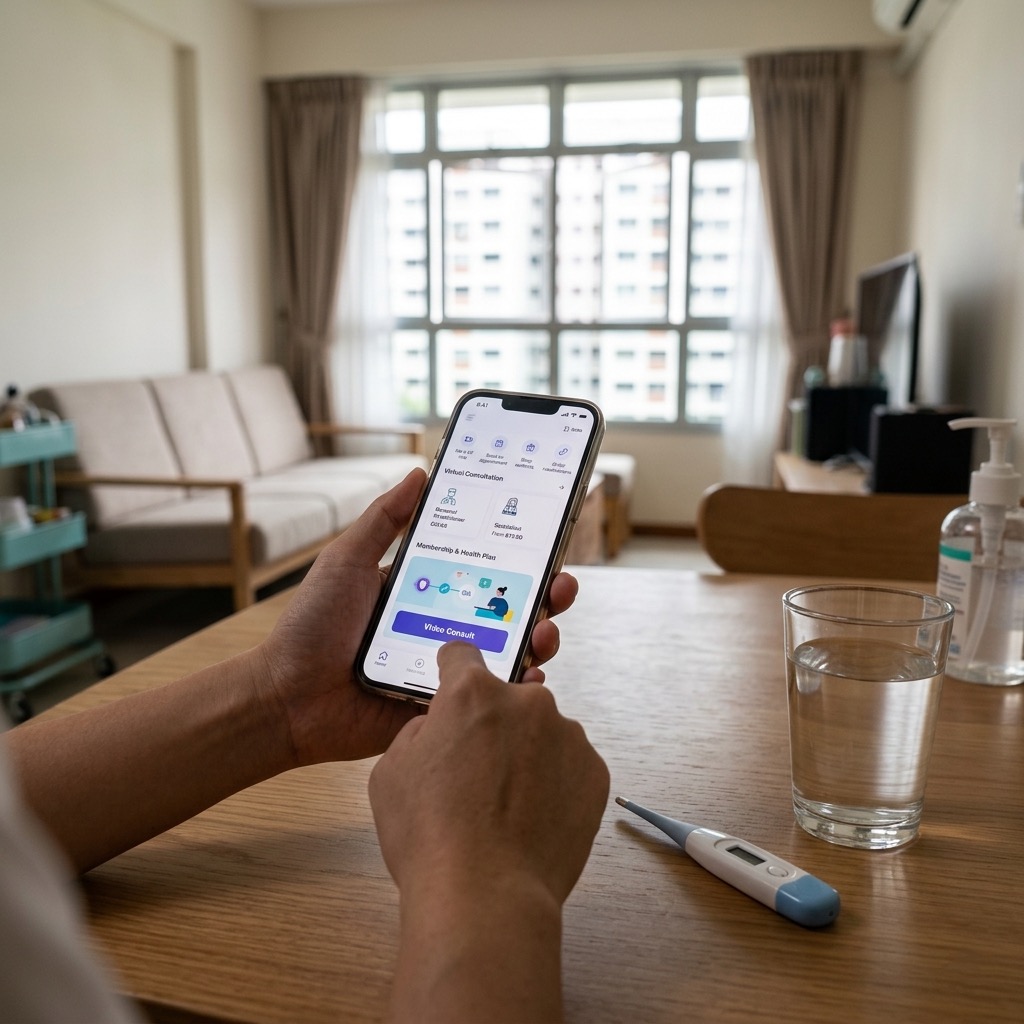
Telemedicine may be suitable for mild symptoms when an urgent physical examination is not required.
When to Seek Medical Consultation in Singapore
A home diagnostic kit can guide your next step, but it does not replace a doctor's assessment. Consider speaking with a Singapore-registered doctor if symptoms are not improving, if fever persists, if you have underlying medical conditions, if you need medical certification, or if the result involves a child, senior or pregnant person.
Telemedicine for mild symptoms
For mild symptoms, telemedicine can be a practical first step. A doctor may advise supportive care, symptom-relieving medicines, further testing, or an in-person consultation depending on your clinical profile.
GP or clinic visit
If you visit a GP clinic, wear a surgical mask and inform the clinic that you have tested positive for COVID-19, Influenza A or Influenza B before registration. You can also browse general patient education on the Camtech Health Singapore blog before discussing your symptoms with a doctor.
CHAS subsidies for common illnesses
Eligible CHAS, Pioneer Generation and Merdeka Generation cardholders may receive subsidies for common illnesses at participating GP clinics. The CHAS conditions and services page includes cough, cold, flu and fever among common illness examples.
A doctor can assess your risk factors and advise whether supportive care, further testing or medication is appropriate.
Clinical Treatment and Recovery
Treatment depends on your symptoms, age, medical history and risk of complications. Many mild respiratory infections can be managed at home with supportive care, but some patients may need a medical review or prescribed medicines.
Symptom-relieving care
A doctor may recommend medicines to manage fever, cough, blocked nose, sore throat or body aches. Avoid combining medicines without checking with a healthcare professional, especially if you are pregnant, have chronic medical conditions or take regular medication.
Antiviral medication
In selected higher-risk cases, a doctor may consider antiviral medication for COVID-19 or influenza. These medicines are Prescription-Only Medicines and should only be used under medical supervision.
Rest, hydration and symptom monitoring
Adequate rest, fluid intake and symptom monitoring are important during patient recovery. If you are looking for Singapore-specific test information, the Camtech Health Singapore site provides access to patient education and selected approved test categories.
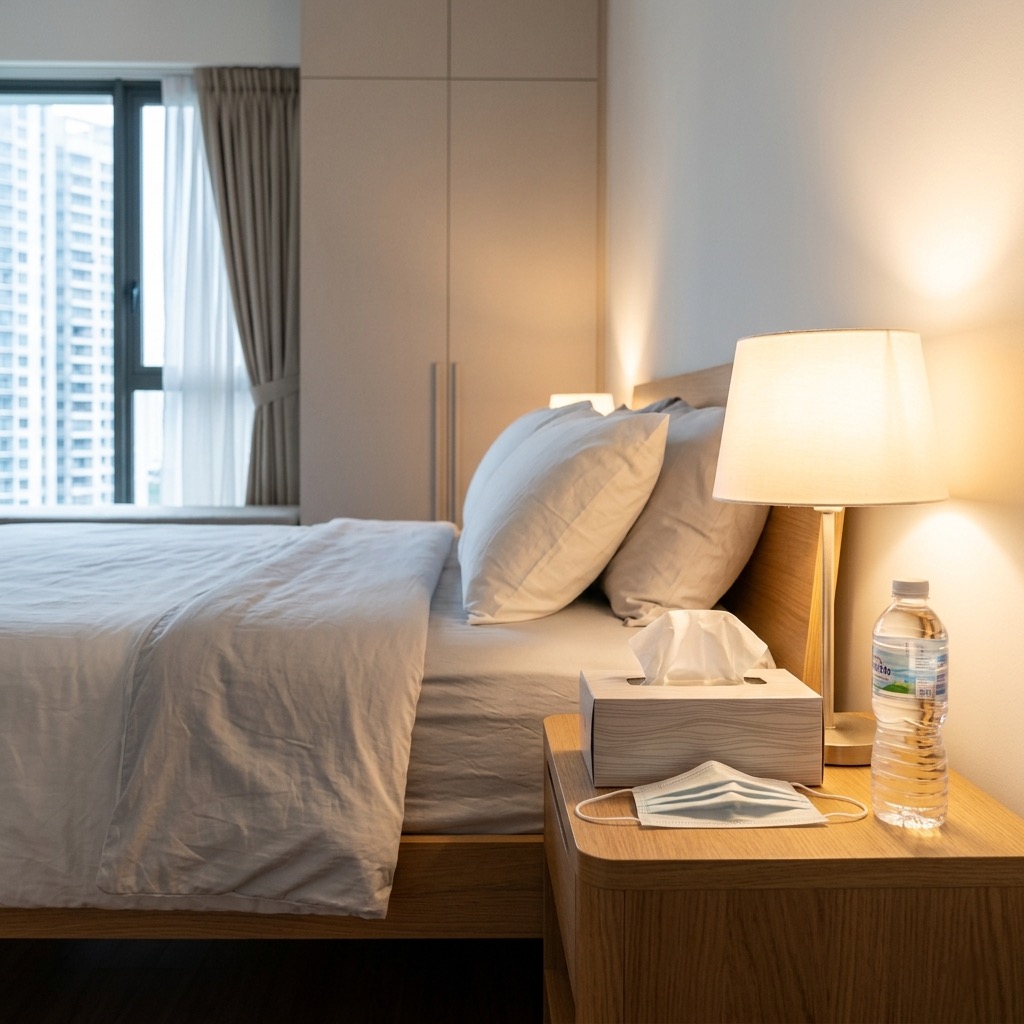
Resting at home, masking when needed and monitoring symptoms can help reduce spread while you recover.
Red Flags: When to Seek Urgent Medical Care
Seek urgent medical attention at an Accident & Emergency department, or call emergency services, if you experience symptoms that suggest a more serious illness. These include:
- Difficulty breathing or shortness of breath
- Persistent chest pain or chest pressure
- Confusion, fainting or inability to stay awake
- Pale, grey or blue-coloured lips, face or skin
- Signs of dehydration, such as very little urination, dizziness or inability to keep fluids down
- Worsening symptoms in a senior, young child, pregnant person or someone with chronic medical conditions
Patient FAQ
1. Must I report my positive ART result to the Ministry of Health?
For most community self-tests, there is usually no separate self-reporting step for a home test result. Stay home while unwell, wear a mask if you need to go out, minimise close contact and seek medical advice if you are higher-risk or your symptoms worsen. Official requirements can change, so check current Singapore Government guidance when in doubt.
2. Can I use this test kit for my children if they show symptoms?
Use the kit only if the instructions state that it is suitable for the child's age group. Adult supervision is required, and swabbing should be performed gently according to the instructions. If your child is very young, has breathing difficulty, persistent fever, poor feeding, unusual drowsiness or other concerning symptoms, seek medical care promptly.
3. If I test positive for Influenza A but feel fine, do I still need medicine?
Not everyone with a positive influenza result will need antiviral medication. A doctor can assess your symptoms, age, medical history and risk factors before advising on treatment. Even if symptoms are mild, reduce contact with others, especially seniors, young children, pregnant persons and people with chronic medical conditions.
4. How long should I stay home after a positive COVID-19 or flu result?
Stay home while you are unwell and avoid close contact until your fever has settled and symptoms are improving. If you need to leave home for medical care or essential reasons, wear a mask, minimise social interactions and avoid visiting hospitals, nursing homes or medically vulnerable people unless necessary.
References
- Communicable Diseases Agency Singapore. COVID-19.
- Health Sciences Authority Singapore. HSA's advisory on factors that may affect accuracy of COVID-19 antigen rapid self-test kit results.
- HealthHub Singapore. Influenza.
- Community Health Assist Scheme. Conditions and Services Covered.
Medical Disclaimer
This article is for general education only and does not replace consultation with a qualified doctor or healthcare professional in Singapore. A home diagnostic kit should be used according to the manufacturer's instructions and interpreted together with symptoms, exposure history and medical risk factors. Seek medical care promptly if symptoms are severe, persistent, worsening or if you are in a higher-risk group.
*Visuals are assisted by AI