
Clinical Rigor Behind Safe At-Home Testing
By Stuart Chan

At-home HPV testing can make cervical cancer screening more accessible for women in Singapore, but convenience should always be supported by clinical safeguards. This article explains how medical oversight, laboratory processing, secure data handling and follow-up pathways help an at-home HPV test fit responsibly into cervical health screening.
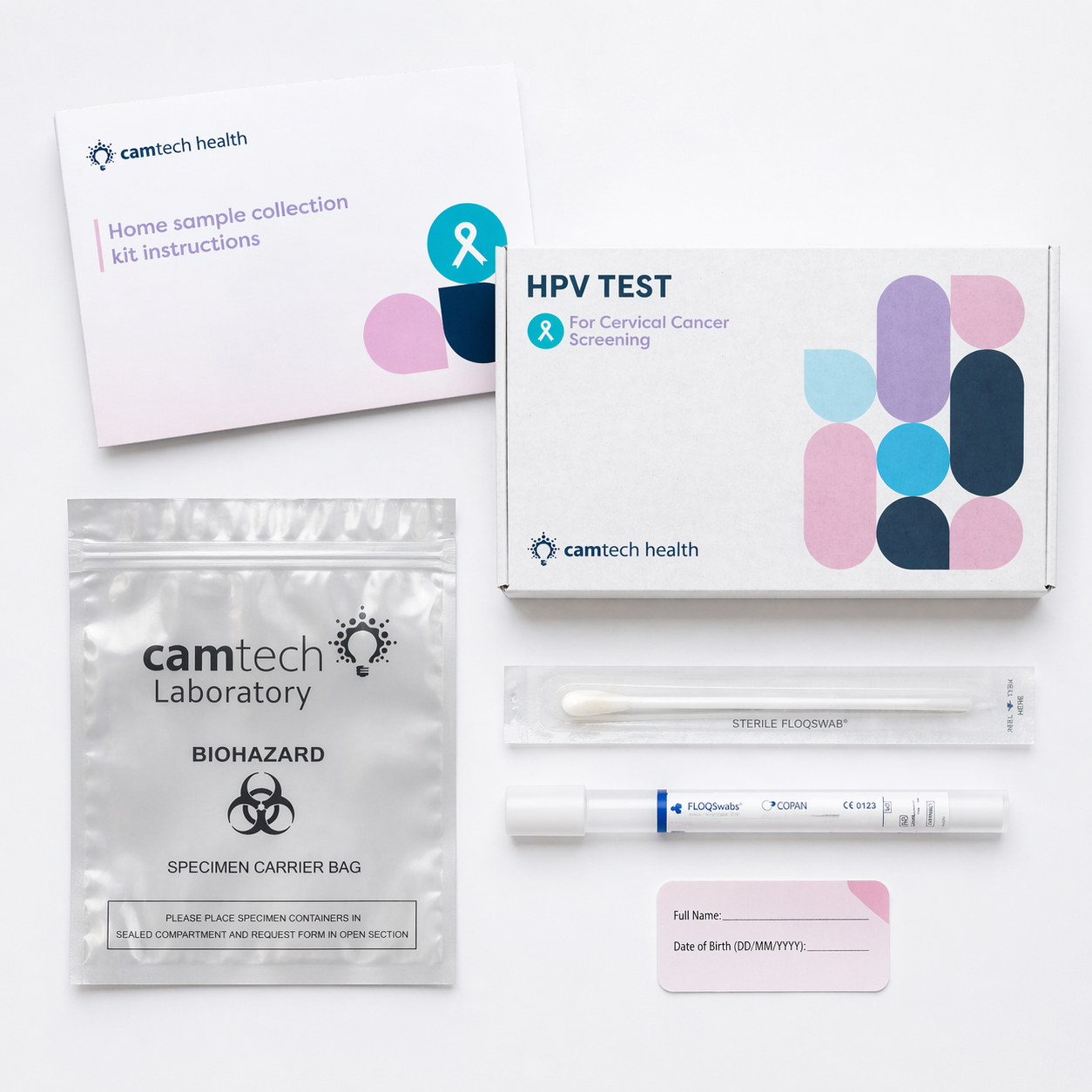
Key points
- HPV testing is recommended in Singapore for women aged 30 and above who have ever had sexual activity, while Pap testing is recommended for women aged 25 to 29.
- An at-home HPV test is a screening tool. It does not diagnose cervical cancer.
- A high-risk HPV result means follow-up with a doctor or gynaecologist may be needed.
- Secure handling of personal and health data is part of responsible at-home testing.
Clinical rigour and research in at-home HPV testing
The landscape of preventive health and health screening in Singapore is changing. Many people now prefer healthcare options that are more private, time-efficient and easier to fit around work and family commitments. For cervical cancer screening, this has increased interest in at-home HPV test Singapore options that allow self-sampling before laboratory analysis.
However, an at-home test should not be treated as a casual consumer product. HPV DNA testing involves biological sample collection, laboratory processing, result interpretation and, when needed, medical follow-up. This is why clinical protocols, clear instructions and appropriate healthcare guidance matter.
For Singapore readers, it is also useful to understand how at-home HPV testing fits within national cervical screening guidance. HealthHub explains cervical cancer screening as a process involving Pap tests or HPV tests, depending on age and risk profile.
The role of medical oversight in diagnostic testing
At-home testing is not only about collecting a sample. It should be supported by a structured clinical workflow, including suitability checks, instructions for correct sample collection, laboratory processing and guidance on what to do after results are available.
Camtech Health states that its testing process is supported by medical practitioners and laboratory partners. For users considering the Camtech Health at-home HPV testing pathway, this medical layer is important because HPV results can affect follow-up decisions, including whether a doctor should recommend repeat testing, a clinic review or referral for further assessment.
Science-based health insights through laboratory processing
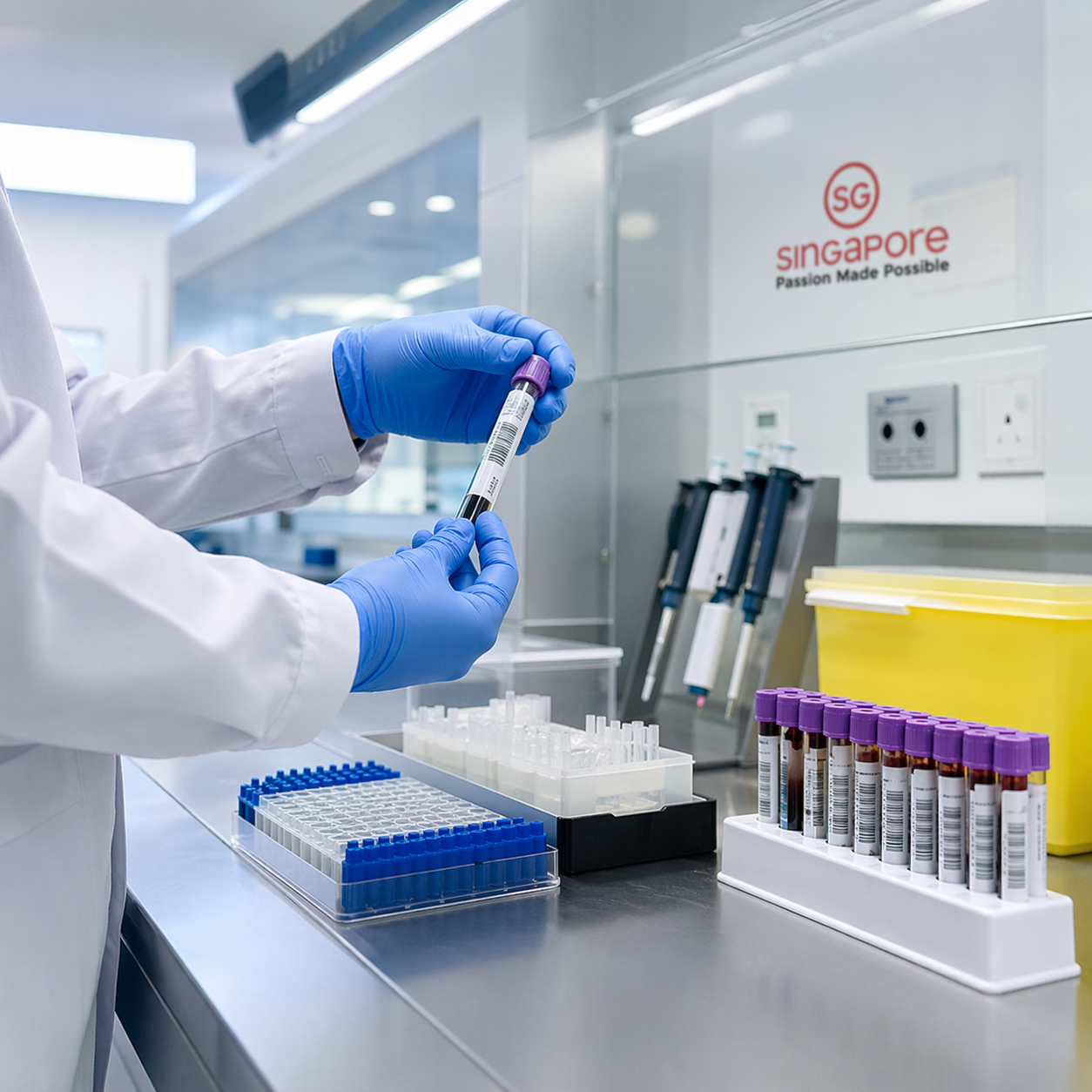
A health screening platform is only useful when the sample is collected properly, transported appropriately and processed using validated laboratory methods. HPV DNA testing looks for high-risk HPV strains that are associated with cervical cell changes. It is different from a Pap test, which looks for abnormal cells.
The Healthier SG Screening guidance on HealthHub states that women aged 30 and above who have ever had sexual activity are recommended to go for an HPV test, while women aged 25 to 29 are recommended to go for a Pap test. The Ministry of Health has also stated that women aged 30 and above are recommended to undergo HPV testing at five-year intervals.
For at-home HPV testing, the user collects the sample privately and returns it for laboratory analysis. This makes the quality of the kit, the clarity of instructions and the laboratory workflow especially important. Users should follow the instructions carefully and avoid using a home screening kit as a replacement for a clinic visit when symptoms are present.
HPV DNA testing and cervical cancer screening in Singapore
Cervical cancer risk is closely linked to persistent infection with high-risk HPV types. HPV DNA testing can identify the presence of these high-risk strains, which is why it is used in cervical cancer screening programmes in Singapore and internationally.
The World Health Organization recognises HPV self-sampling as one way to support access to cervical cancer screening, especially for people who may delay or avoid clinician-collected screening. This does not mean that self-sampling replaces all clinic-based care. Rather, it can act as an entry point into screening when used appropriately.
In Singapore, a high-risk HPV result should be followed by appropriate medical advice. According to HealthHub, the presence of high-risk HPV does not mean that a person has cervical cancer, but it may require referral or repeat testing depending on the specific result and clinical context.
Patient safety and data integrity across the testing journey
Clinical safeguards extend beyond the laboratory. They include how the kit is designed, how instructions are written, how samples are labelled, how results are communicated and how personal data is protected.
Camtech Health’s privacy policy explains how its website and mobile application handle personal data in relation to the Personal Data Protection Act 2012. This matters because at-home HPV testing involves sensitive health information. Users should only submit samples through the official process and should avoid sharing screenshots of results or personal identifiers through unsecured channels.
The Health Sciences Authority regulates medical devices in Singapore, including in-vitro diagnostic devices where applicable. Readers who want to understand the wider regulatory environment can refer to the HSA medical devices regulatory information.

When to use an at-home HPV test and when to see a doctor
An at-home HPV test may be suitable for eligible women who are due for cervical cancer screening and prefer private self-sampling. It may also be helpful for those who find clinic-based intimate examinations uncomfortable and are looking for a structured screening option.
A clinic visit should not be delayed if symptoms are present. If you have abnormal vaginal bleeding, bleeding after sex, pelvic pain, unusual discharge, persistent pain or other concerning symptoms, see a GP, polyclinic doctor or gynaecologist for a clinical examination. At-home HPV testing is not designed to investigate symptoms or provide a diagnosis.
If you are unsure whether an at-home HPV test is suitable for you, speak with a qualified healthcare professional before ordering. You can also browse Camtech Health’s Singapore health screening articles for more educational information about at-home testing and preventive health.
References
- HealthHub Singapore. Cervical Cancer: Learn about the Importance of Cervical Cancer Screening and HPV Vaccinations. https://www.healthhub.sg/health-conditions/topic_cervical_cancer
- HealthHub Singapore. Healthier SG Screening: Recommended Screening Tests by Age. https://www.healthhub.sg/programmes/healthiersg-screening/screening-journey
- Ministry of Health Singapore. Awareness of Need for Cervical Cancer Checks. https://www.moh.gov.sg/newsroom/awareness-of-need-for-cervical-cancer-checks/
- World Health Organization. Self-care interventions: Human papillomavirus HPV self-sampling as part of cervical cancer screening and treatment, 2022 update. https://www.who.int/publications/i/item/WHO-SRH-23.1
Medical disclaimer
This article is for general education only and does not replace consultation with a qualified doctor or healthcare professional. At-home HPV testing is a screening tool and does not provide a definitive diagnosis of cervical cancer or any other medical condition. If you have symptoms, an abnormal result, a positive high-risk HPV result or concerns about your cervical health, consult a Singapore-registered doctor, GP, polyclinic doctor or gynaecologist for clinical assessment and follow-up.
*Visuals are assisted by AI
Patient FAQ
How accurate is an at-home HPV test compared with clinic-based screening?
HPV self-sampling can be clinically useful when the sample is collected correctly and processed using validated laboratory methods. However, suitability depends on age, symptoms, prior screening history and the specific test used. A clinician-collected test or further examination may still be recommended in some situations.
Are Camtech Health HPV samples processed in Singapore?
Camtech Health’s HPV test information states that samples are processed through laboratory analysis in Singapore. If you need details about the laboratory, accreditation status or turnaround time before ordering, check the current product page or contact Camtech Health directly.
What happens if high-risk HPV is detected?
A high-risk HPV result does not mean that you have cervical cancer. It means that a strain associated with higher cervical cancer risk has been detected. You should consult a doctor for follow-up advice, which may include repeat testing, further examination or referral to a gynaecologist.
Is an at-home HPV test suitable for everyone in Singapore?
HPV testing is generally recommended in Singapore for women aged 30 and above who have ever had sexual activity. Women aged 25 to 29 are generally recommended to go for a Pap test instead. If you have symptoms such as abnormal bleeding, pelvic pain or unusual discharge, seek clinical assessment rather than relying on an at-home screening test.