
Proactive vs. Reactive Wellness: How Genetic Insights Inform the Future

For many years, the standard approach to health was reactive: seeking professional advice only when symptoms appeared. This approach focuses on managing conditions after they have manifested. However, a shift toward proactive health management is gaining momentum.
Proactive health management is the practice of monitoring lifestyle factors and making informed choices to support the body’s natural functions. Instead of reacting to health changes, individuals are now looking for data to help inform their daily habits. Genetic insights are a key component of this modern toolkit, moving the focus from “waiting” to “informed management.”
Understanding the Reactive vs. Proactive Mindset
Reactive health is often compared to a fire brigade, responding once a situation has escalated. While acute medical care is vital, a reactive-only approach can be taxing when managing long-term health management.
Proactive health management, by contrast, is about understanding the biological environment. It involves regular check-ups, nutritional support, and lifestyle adjustments. By identifying potential genetic predispositions, individuals can work alongside healthcare professionals to implement supportive
habits that focus on long-term vitality. For those looking to transition into a more intentional routine, exploring resources on health management can provide a helpful foundation.
The Role of DNA in Health Support
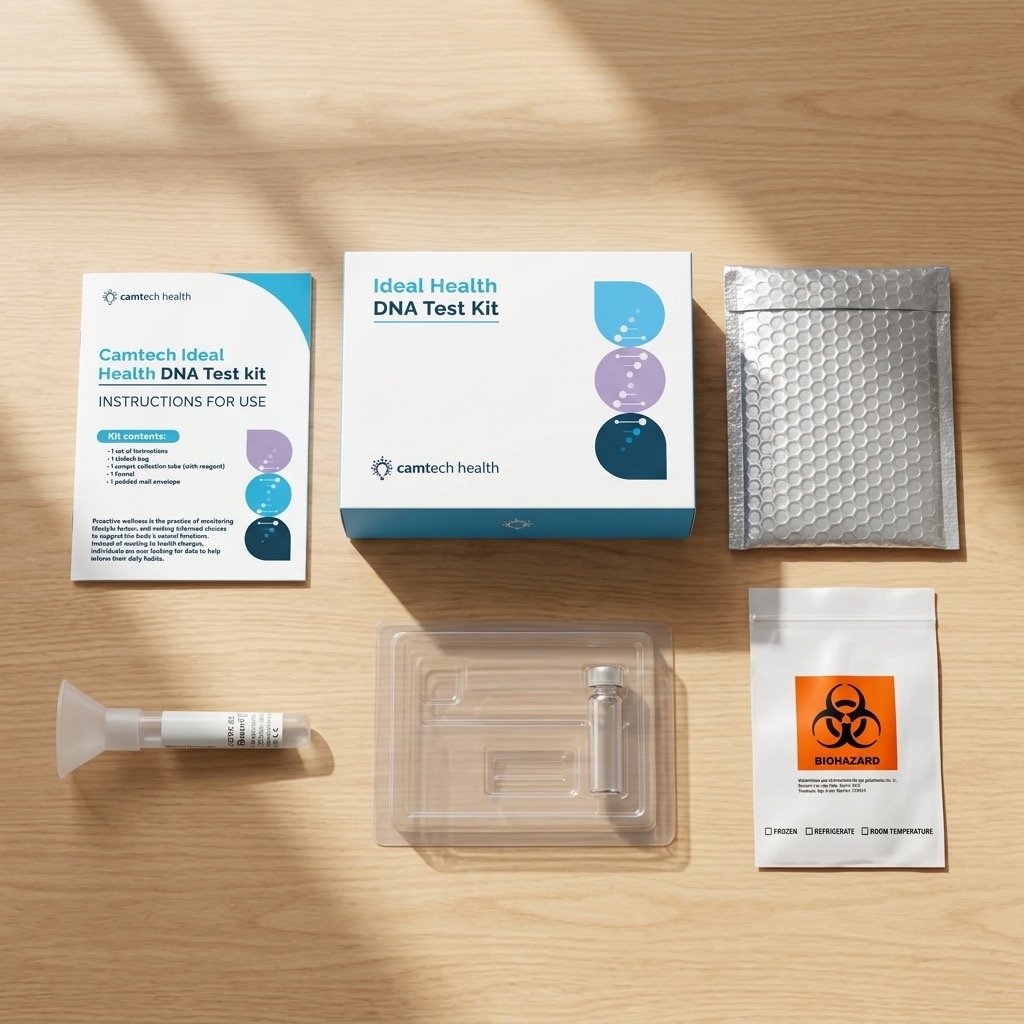
DNA is a biological blueprint. Within the genetic code are markers that can indicate how the body may process nutrients or respond to certain types of physical activity.
Genetic insights allow for a deeper look into these markers. For instance, discovering a predisposition to certain nutritional tendencies allows an individual to discuss targeted dietary adjustments with a nutritionist. This is the core of proactive care: using personalised data to support better-informed lifestyle decisions today.
Personalised Health Planning and Genetic Data
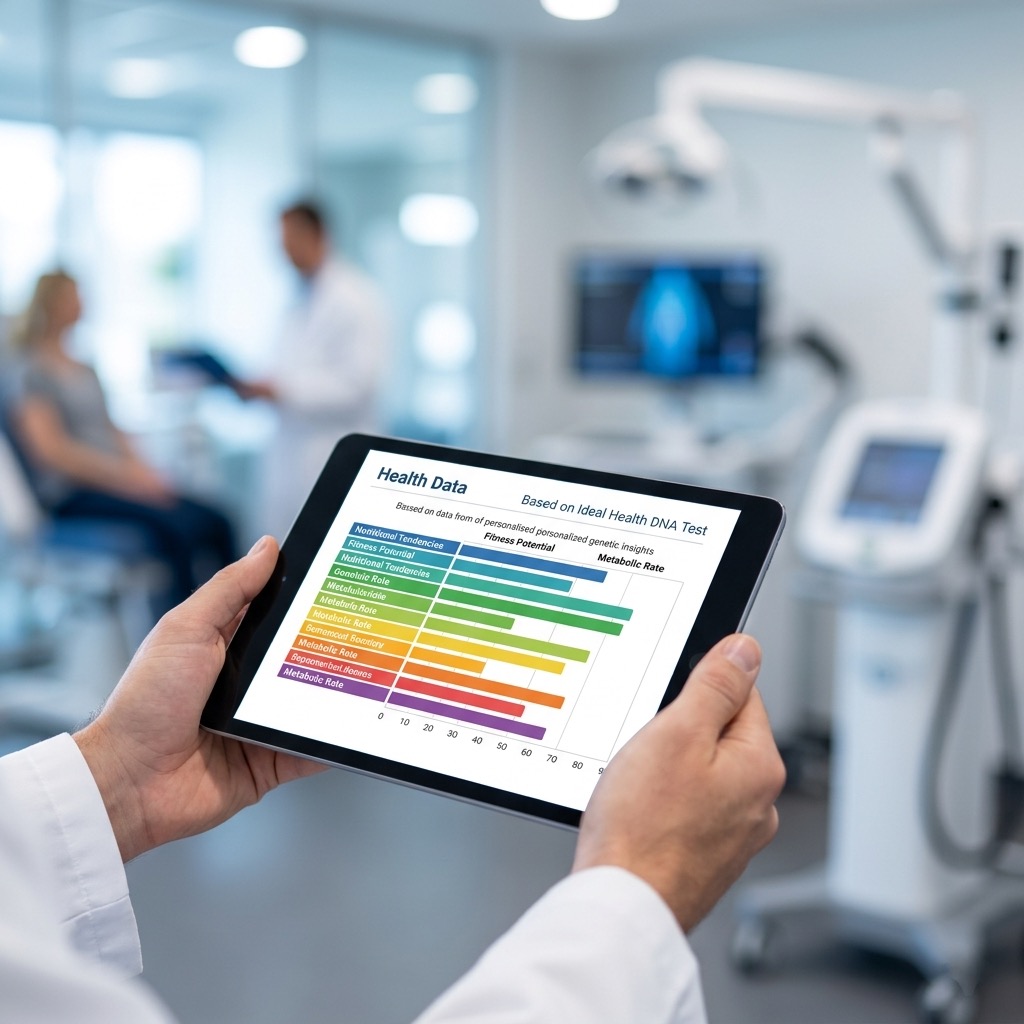
General health advice, like “eat more greens”, is a good starting point, but genetic data provides a more tailored perspective on how the body interacts with its environment.
Genetic insights can provide information regarding:
- Nutritional Support: How the body absorbs certain vitamins and minerals.
- Fitness Insights: Whether genetic variants may influence a predisposition toward endurance or power-based performance.
- Metabolic Trends: How the body responds to different macronutrients.
- Rest and Stress: Genetic tendencies related to sleep patterns and stress recovery.
By understanding these tendencies, the “one-size-fits-all” approach to health planning can be refined. You can learn more about how innovations in digital health are supporting these personalised journeys.
How the Ideal Health DNA Test Supports Your Journey
Transitioning to a proactive mindset requires reliable information. The Ideal Health DNA Test is designed to be a comprehensive resource for those seeking to understand their biological tendencies.
This test analyses a variety of genetic markers, providing a detailed report on lifestyle requirements and potential predispositions. It is not a tool for predicting or diagnosing disease; rather, it provides a data-driven foundation for lifestyle optimisation. Whether it is adjusting a fitness routine or refining nutritional intake, these insights offer a level of personalisation that supports an individual’s unique health goals.

Building a Foundation for Lasting Health Management
The transition to a proactive mindset is an investment in long-term health. It represents a shift from being a passive observer to an active participant in one’s health journey. By integrating tools like DNA insights, individuals can build a health management strategy grounded in data and precision.
References
- National Institutes of Health (PMC): Healthcare Evolves From Reactive to Proactive
- Healthline: Preventive Health: What Is It and Why Is It Important?
- World Health Organization (WHO): Preventing Chronic Diseases: A Vital Investment
- National Institutes of Health (PMC): DNA Testing for Preventative Health
- National Human Genome Research Institute: Deoxyribonucleic Acid (DNA)
- HealthHub Singapore: Healthier SG Screening
- Health Sciences Authority: Advertisements and Promotions of Medical Devices
Medical Disclaimer:
The information provided in this article is for educational purposes only and does not constitute medical advice, diagnosis, or treatment. Genetic markers indicate predispositions and do not guarantee the occurrence or prevention of any condition. Always seek the advice of a physician or qualified health provider with any questions regarding a medical condition. Never disregard professional medical advice because of information contained in this article.
*Visuals are assisted by AI
Frequently Asked Questions (FAQs)
What is the difference between proactive and reactive health?
Reactive health focuses on treating symptoms after they occur. Proactive health focuses on maintaining wellness and making informed lifestyle choices to support long-term health.
Can a DNA test predict my health future?
No. DNA testing identifies genetic predispositions or “markers.” It shows where a person may have different needs or tendencies, allowing for informed lifestyle adjustments. It is not a diagnostic tool and cannot predict the certain development of any condition.
How often should a DNA test be taken?
Since genetic code remains constant, most wellness-focused DNA tests only need to be taken once. However, as scientific research evolves, the interpretation of that data may provide new insights over time.
Are at-home DNA tests reliable?
Reputable at-home kits use accredited laboratory analysis to provide accurate genetic data. These results are intended for wellness and educational purposes and should always be discussed with a healthcare professional for clinical application.