Singapore's Low TFR and Fertility Planning: Where Ovulation Testing Fits
By Stuart Chan
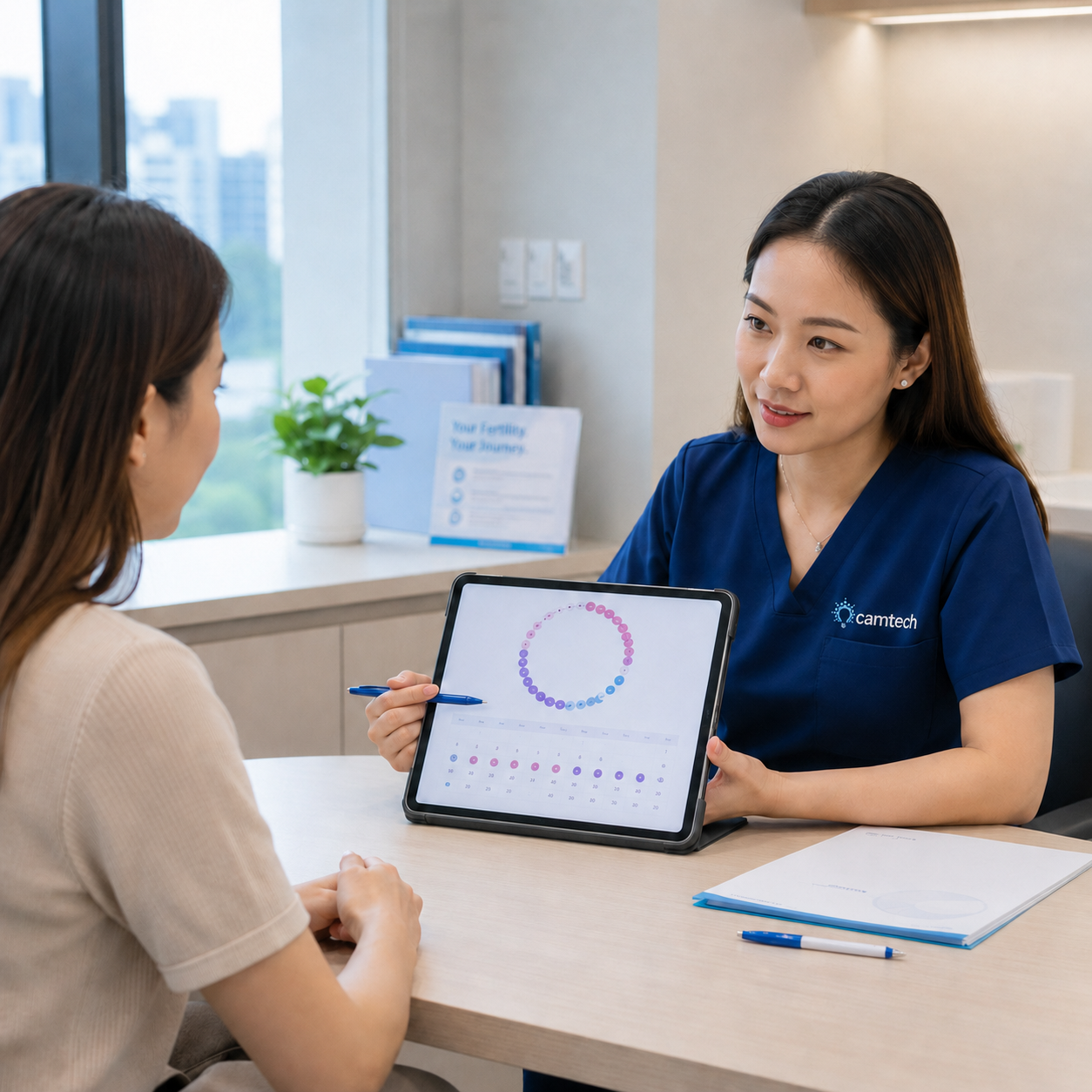
Singapore's resident total fertility rate, or TFR, has become a familiar part of national conversations around marriage, parenthood and family planning. For individuals and couples who are thinking about trying to conceive, the national picture can feel very personal. This article explains what TFR means, what it does not mean, and how an LH ovulation test kit in Singapore may support fertility tracking at home.
According to the Singapore Department of Statistics, "Singapore's resident TFR was 0.87 in 2025, lower than 0.97 in 2024." TFR is a population-level measure. It does not tell an individual whether they are fertile, infertile, or likely to conceive within a specific timeframe.
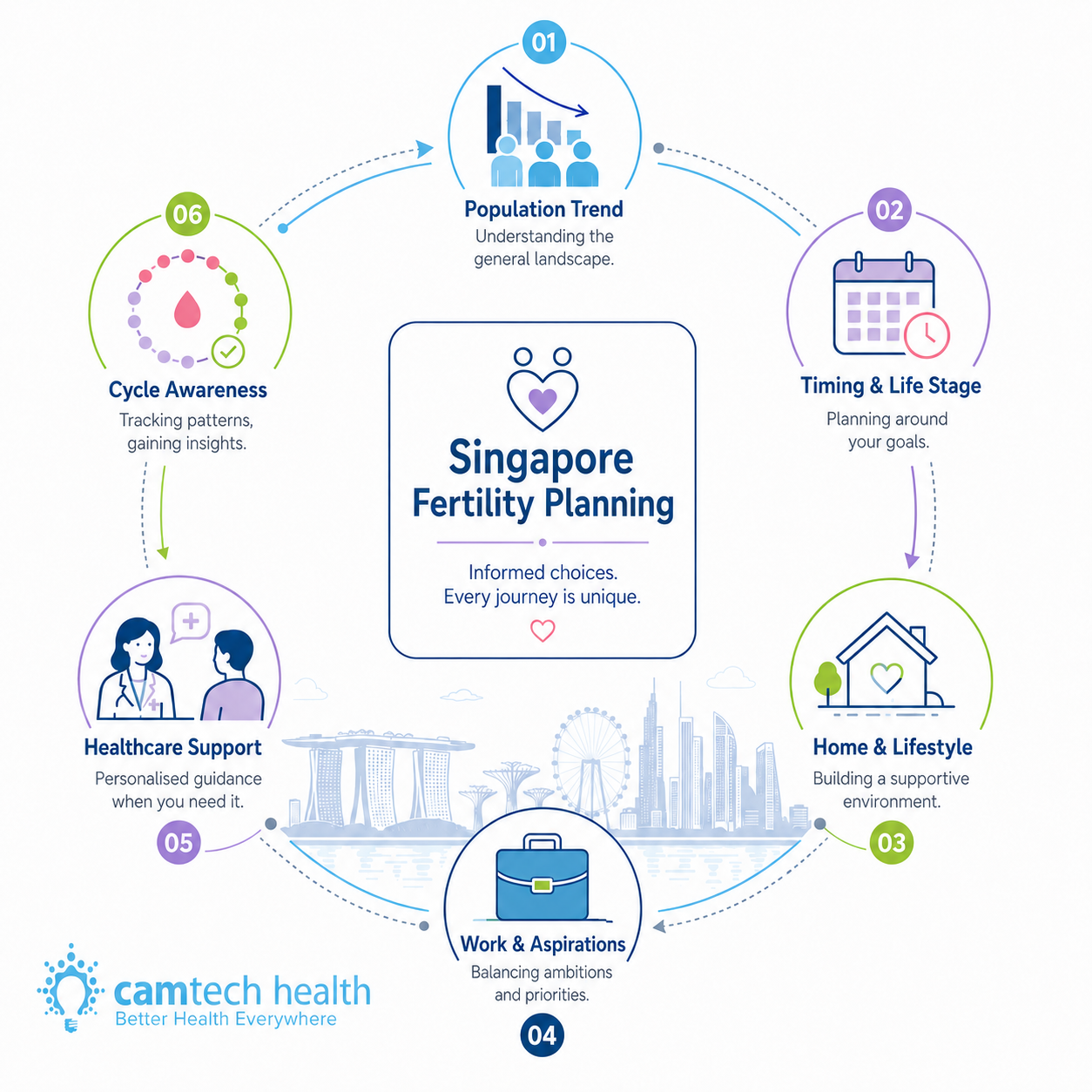
For many Singaporeans, family planning is shaped by work, housing, caregiving, cost considerations, age, health, relationship readiness and personal priorities. For those who are actively trying to conceive, understanding ovulation can be a practical first step. The Camtech Health Ovulation Test Kit is designed to detect luteinising hormone, or LH, in urine to support fertile window tracking and cycle monitoring.
What Singapore's TFR Means, and What It Does Not Mean
TFR refers to the average number of live births each female would have during her reproductive years if current age-specific fertility rates continued. It helps policymakers understand national fertility trends, but it should not be used to assess one person's reproductive health.
The Population in Brief 2025 report describes Singapore's fertility trends in the context of broader population changes. These national trends may reflect later marriage, delayed childbearing, smaller family size preferences and practical considerations around raising children in Singapore.
A low TFR does not mean every person must rush into parenthood. It does, however, make fertility education more important for people who already know they would like to try for a child, especially if they are planning around age, cycle regularity, health conditions or timing.
Key takeaway
- TFR is a national statistic, not a personal fertility diagnosis.
- Fertility planning should be based on your own health, age, cycle pattern and goals.
- Ovulation testing may help you better understand your fertile window.
- Home testing should not delay medical advice when symptoms or concerns are present.
Why Ovulation Matters When Trying to Conceive
Ovulation is the point in the menstrual cycle when an ovary releases an egg. In many cycles, a rise in luteinising hormone occurs before ovulation. Ovulation predictor kits are designed to detect this LH rise in urine, which may help users estimate when ovulation is likely to happen.
This matters because the fertile window is limited. Timing intercourse around the days before and around ovulation may support conception planning, although it cannot guarantee pregnancy. HealthHub explains that "fertility health can also be affected by factors such as age, smoking, alcohol intake and reproductive health conditions." You can read more from HealthHub's fertility health article.
An ovulation test kit can be useful for people who want a clearer view of their cycle than calendar counting alone. This may be especially relevant for couples who are balancing work, travel, family commitments and timing around their daily schedules in Singapore.
How the Camtech LH Ovulation Test Kit Supports Cycle Tracking
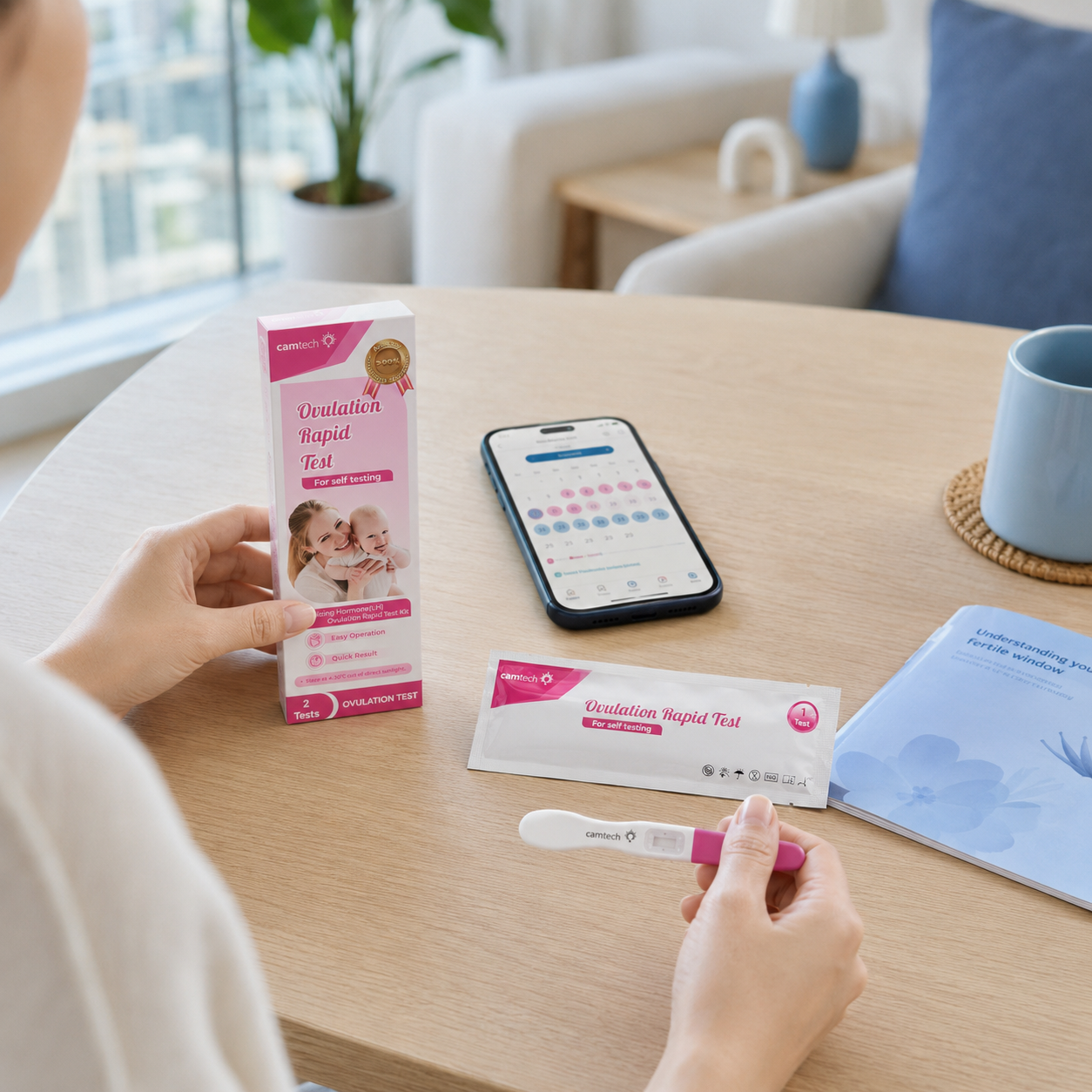
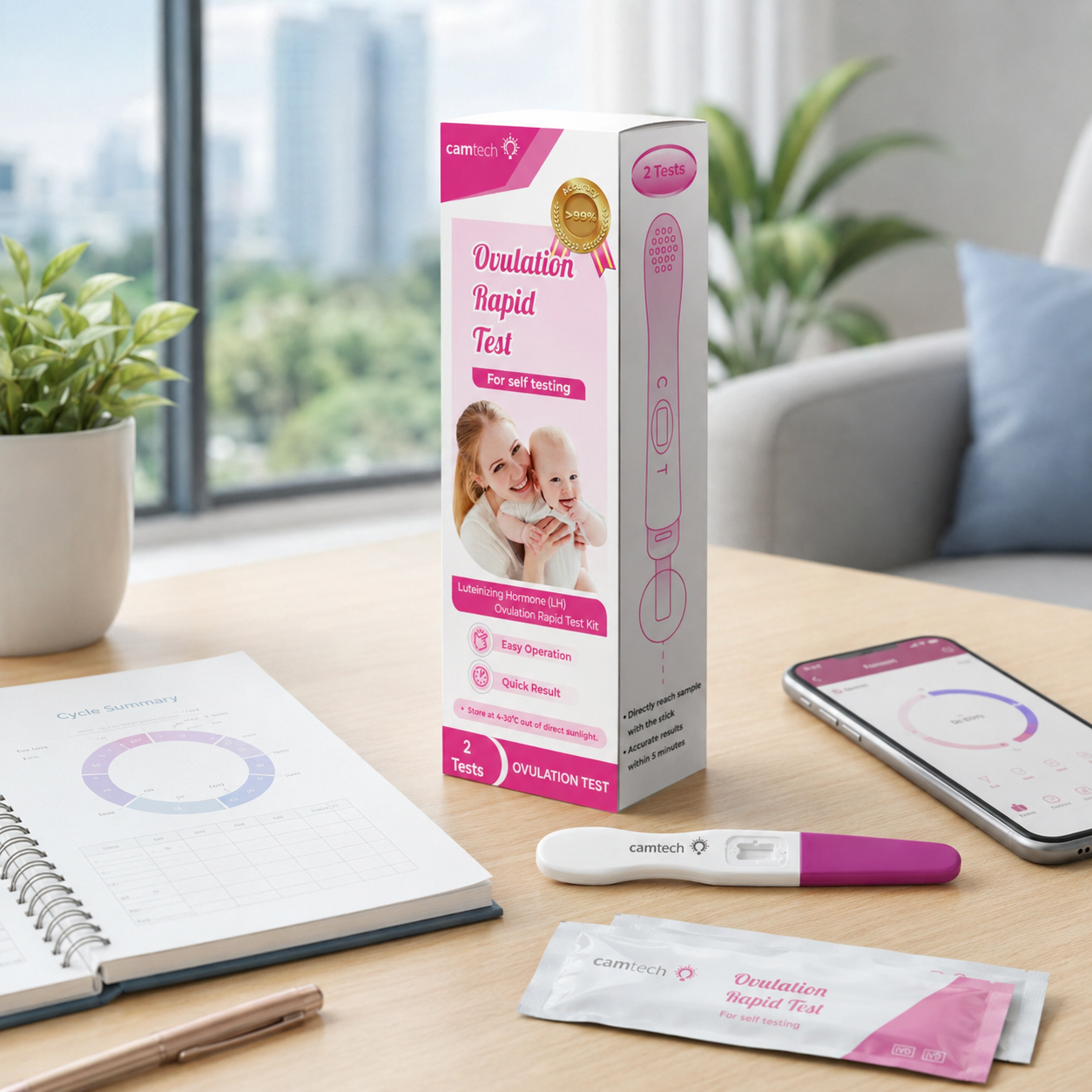
The Camtech Health LH Ovulation Test Kit is used with a urine sample to detect LH levels for fertility tracking. It is intended to support users in identifying their likely fertile window for conception planning or cycle monitoring.
For some users, testing over several days may provide a clearer picture of their LH pattern. Results can also be logged with the Camtech Health app, which may help users track cycle patterns over time. For readers who are comparing home testing options, Camtech Health also discusses at-home diagnostics in Singapore in this article on at-home diagnostics and women's health.
What an LH ovulation test can help with
- Detecting an LH rise before likely ovulation
- Supporting fertile window tracking across several cycles
- Reducing reliance on calendar estimates alone
- Keeping a clearer record for discussions with a doctor, if needed
What an LH ovulation test cannot do
- It cannot confirm that ovulation definitely occurred.
- It cannot diagnose infertility or reproductive health conditions.
- It cannot confirm pregnancy.
- It cannot guarantee conception.
This distinction is important. An LH test is a tracking aid. It is not a fertility diagnosis, and it should not replace medical assessment if there are symptoms, irregular cycles or ongoing difficulty conceiving.
When Ovulation Testing May Be Helpful
Ovulation testing may be helpful if you are actively trying to conceive, have relatively regular cycles, and want to better understand when your LH surge tends to occur. It may also support people who prefer a private home-based method for fertility tracking before discussing patterns with a GP, gynaecologist or fertility specialist.
Some people may find LH results harder to interpret. This may include users with very irregular cycles, polycystic ovarian syndrome, recent changes in hormonal contraception, or other medical factors that affect cycle patterns. If results are unclear, it is safer to speak with a qualified healthcare professional rather than repeatedly testing without guidance.
When to Speak With a Doctor in Singapore
You should consider speaking with a doctor if you have very irregular periods, no periods, severe period pain, bleeding between periods, pelvic pain, known PCOS, suspected endometriosis, previous pelvic infection, recurrent pregnancy loss, or concerns about sperm health.
SingHealth advises "seeking medical advice if you have been trying to conceive for a year without success if you are under 35, or after six months if you are over 35." You can read more from SingHealth's infertility information page. Depending on your situation, you may start with a GP, polyclinic doctor, gynaecologist or fertility specialist in Singapore.
If you are using an ovulation test kit, it may be helpful to keep a simple record of your cycle length, test dates, results, period dates and any symptoms. This information can support a more organised conversation with your doctor.
A Balanced Approach to Fertility Planning in Singapore
Singapore's low TFR is a national issue, but fertility planning remains personal. Not every person or couple will have the same goals, timeline or medical background. For those who are planning to conceive, practical tools such as LH testing can support cycle awareness and help users better understand their fertile window.
The Camtech Health Ovulation Test Kit can be part of a broader fertility tracking routine, alongside healthy lifestyle habits, timely medical advice and realistic expectations. It should be used as an aid for tracking, not as a guarantee of pregnancy or a substitute for clinical care.
References
- Singapore Department of Statistics. Births and Fertility, Latest News and Data. https://www.singstat.gov.sg/find-data/explore-data-themes/population/births-and-fertility/latest-news-data
- National Population and Talent Division. Population in Brief 2025. https://www.population.gov.sg/files/media-centre/publications/Population_in_Brief_2025.pdf
- HealthHub. Debunking 5 Myths of Fertility Health. https://www.healthhub.sg/well-being-and-lifestyle/sexual-health/debunking-5-myths-of-fertility-health
- SingHealth. Infertility: Causes, Risk Factors and Treatments. https://www.singhealth.com.sg/symptoms-treatments/infertility
Medical Disclaimer
This article is for general education only and does not replace consultation with a qualified doctor, GP, gynaecologist, fertility specialist or other healthcare professional in Singapore. An LH ovulation test kit can support fertility tracking, but it does not diagnose infertility, confirm ovulation, confirm pregnancy or guarantee conception. Speak with a healthcare professional if you have irregular cycles, symptoms, known reproductive health conditions or difficulty conceiving.
*Visuals are assisted by AI
Patient FAQ
Does Singapore's low TFR mean I should be worried about my own fertility?
Not necessarily. TFR is a national population measure and does not describe your personal fertility status. If you are planning to conceive, it may be helpful to understand your cycle, track ovulation and speak with a doctor if you have symptoms, irregular cycles or difficulty conceiving.
What does an LH ovulation test kit detect?
An LH ovulation test kit detects a rise in luteinising hormone in urine. This LH rise usually happens before ovulation and can help identify the likely fertile window. It does not confirm pregnancy or guarantee conception.
Can the Camtech Ovulation Test Kit replace a fertility consultation?
No. The Camtech Ovulation Test Kit can support home cycle tracking, but it does not diagnose fertility problems. If you have irregular periods, known reproductive health conditions or have been trying to conceive without success, speak with a GP, gynaecologist or fertility specialist.
When should I start using an ovulation test?
The starting day depends on your cycle length and the instructions provided with your kit. Many users begin testing a few days before expected ovulation and test at a consistent time each day. Always follow the product instructions and avoid interpreting results outside the stated reading window.