



The risk of developing cervical cancer can be significantly reduced through a proactive approach to health. Clinical research indicates that regular screening and vaccination are key factors in early detection and risk management.
While clinic-based examinations remain a foundational part of women’s healthcare, some individuals may appreciate additional options that offer privacy and flexibility for their regular health milestones.
At Camtech Health, we aim to support proactive health management. By understanding the link between Human Papillomavirus (HPV) and cervical health, you can take an informed step toward long-term wellness.
The Connection: Understanding HPV and Cervical Health
Most cervical cancers are associated with persistent infections of certain types of Human Papillomavirus (HPV). HPV is a common group of viruses, and many individuals may be exposed to it at some point in their lives. While many infections are cleared naturally by the body’s immune system, “high-risk” strains can persist, leading to cellular changes that may require medical monitoring.
Why Genotyping Matters: Specific Risk Assessment
Not all HPV types carry the same level of risk. While types 16 and 18 are responsible for approximately 70% of cervical cancers globally, other high-risk genotypes such as 31, 45, 52, and 58 also play significant roles.
Standard screening often involves checking for cellular changes (cytology) or the general presence of HPV. Extended HPV Genotyping provides a detailed profile by identifying 14 high-risk HPV types individually or in specific groups. This detailed information allows healthcare providers to better understand your risk profile and recommend an appropriate follow-up plan tailored to your clinical needs.
The Camtech Health Process: Supporting Health Access
Camtech Health utilizes digital health technology to complement existing clinical standards. Our HPV screening kit is designed to provide a convenient entry point into your health journey.
Self-Sampling Option: The kit includes a specialized swab for self-collection, allowing for privacy in a setting of your choice.
Clinical Standards: We utilize HSA-registered HPV DNA testing technology, a method recognized in various national screening frameworks globally.
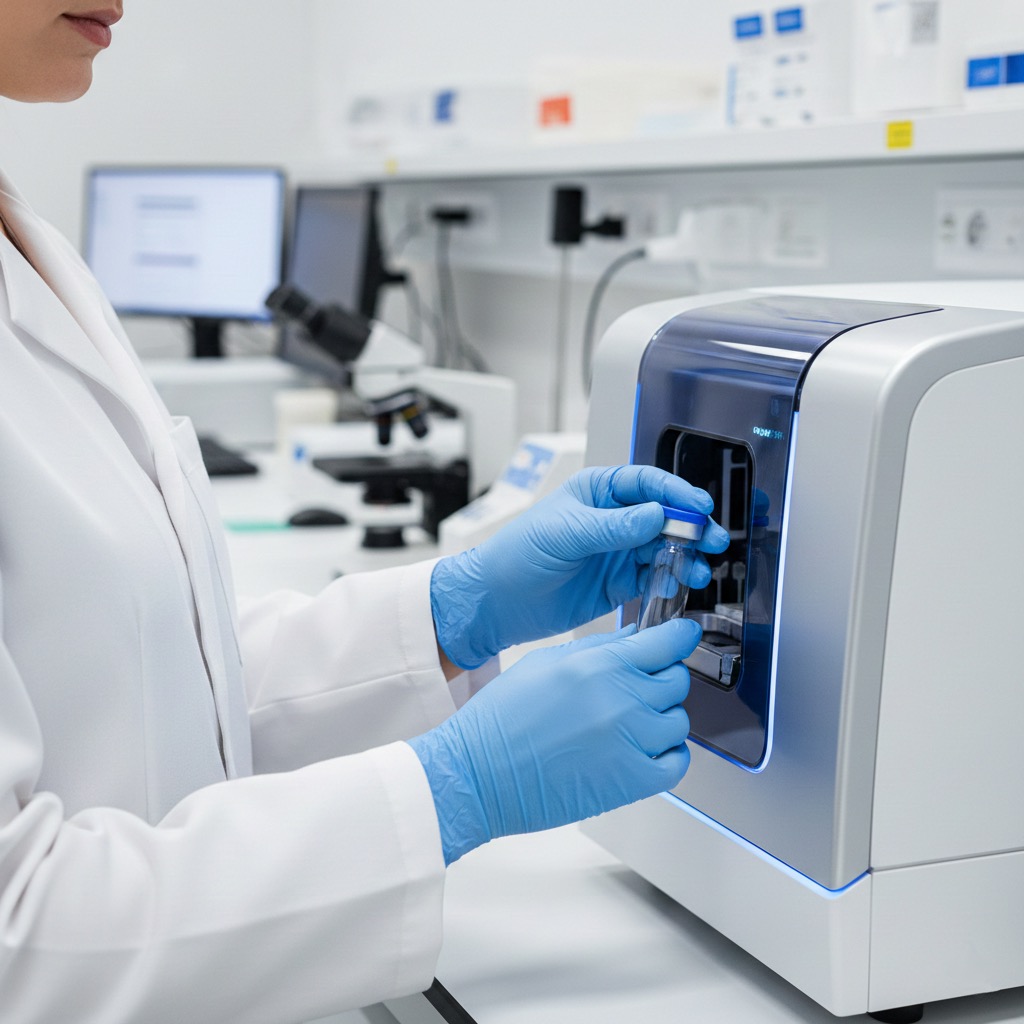
Digital Reporting: Your sample is analyzed in an accredited laboratory. A GP-reviewed report is delivered via the Camtech Health app, typically within 5 working days.
Follow-up Guidance: If a high-risk strain is detected, the app provides guidance on next steps, including the option for virtual consultations with a medical professional to discuss your results and further clinical steps.
1. Is a self-collected HPV sample a recognized method for screening?
Yes. Clinical studies have shown that self-sampling kits using high-performance HPV DNA testing are highly sensitive. When used according to instructions, this method is clinically recognized as a reliable way to detect the presence of high-risk HPV. It serves as a valuable tool for those seeking an accessible screening option.
2. Does a positive HPV result mean I have cancer?
No. A positive result indicates the virus is present. Most HPV infections do not lead to cancer, but identifying a high-risk strain allows your doctor to monitor you more closely and manage any cellular changes early.
3. If I have had the HPV vaccine, do I still need to test?
Yes. While the vaccine is highly effective at reducing risk, it does not protect against every high-risk HPV type. Regular screening remains an important part of health maintenance for all eligible individuals, regardless of vaccination status.
4. How often should I perform an HPV test?
Local and international guidelines generally suggest that if you test negative for high-risk HPV, your next screen may be scheduled in 3 to 5 years, depending on your age and medical history. Please consult a healthcare professional for a recommendation specific to your health profile.
Medical Disclaimer
This article is for informational purposes only and does not constitute medical advice, diagnosis, or treatment. It is not intended to replace a physical examination by a healthcare professional. Always seek the advice of your doctor or other qualified health provider with any questions you may have regarding a medical condition. Never disregard professional medical advice or delay in seeking it because of something you have read in this article.
*Visuals are assisted by AI