
At-Home Colorectal Cancer Screening in Singapore
By Stuart Chan
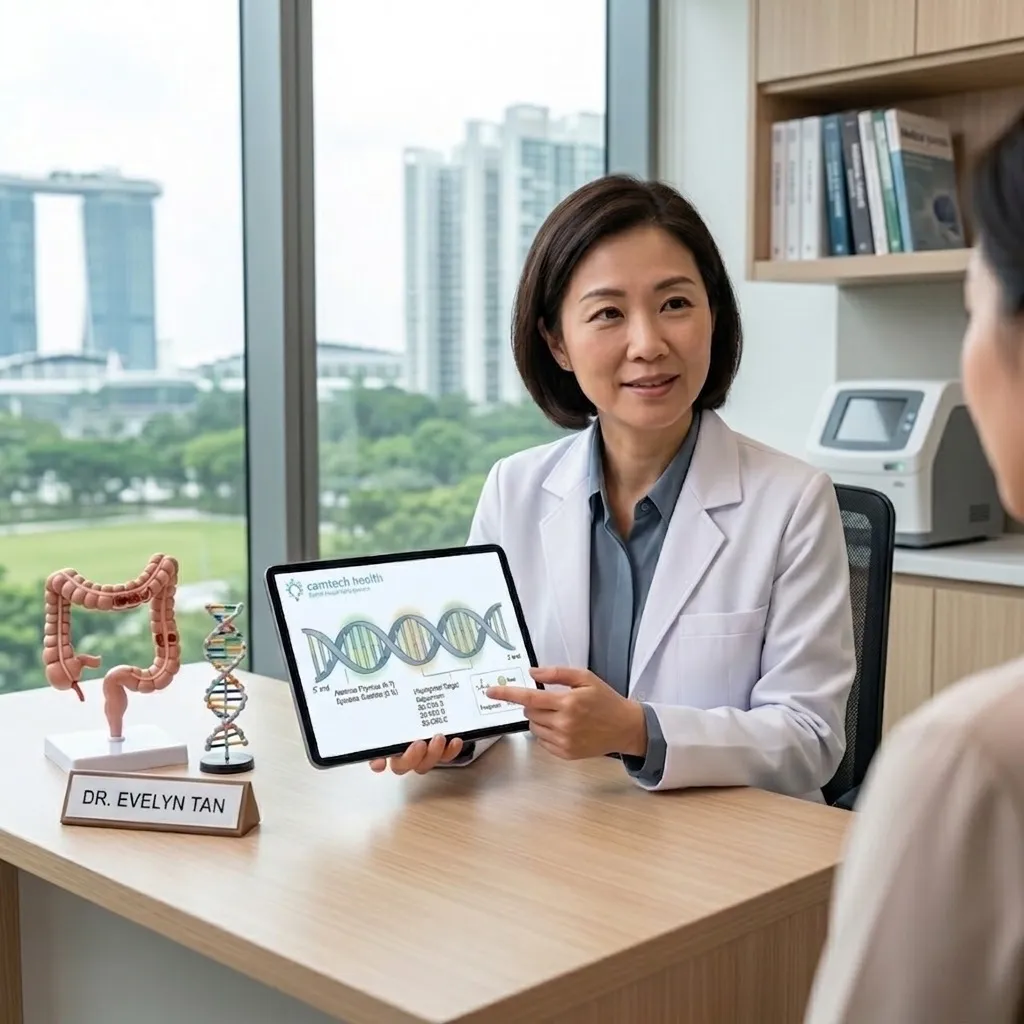
Learn about non-invasive, home-based colorectal cancer screening options in Singapore, including how SDC2 methylation DNA testing provides a private and clinical option for early detection support.
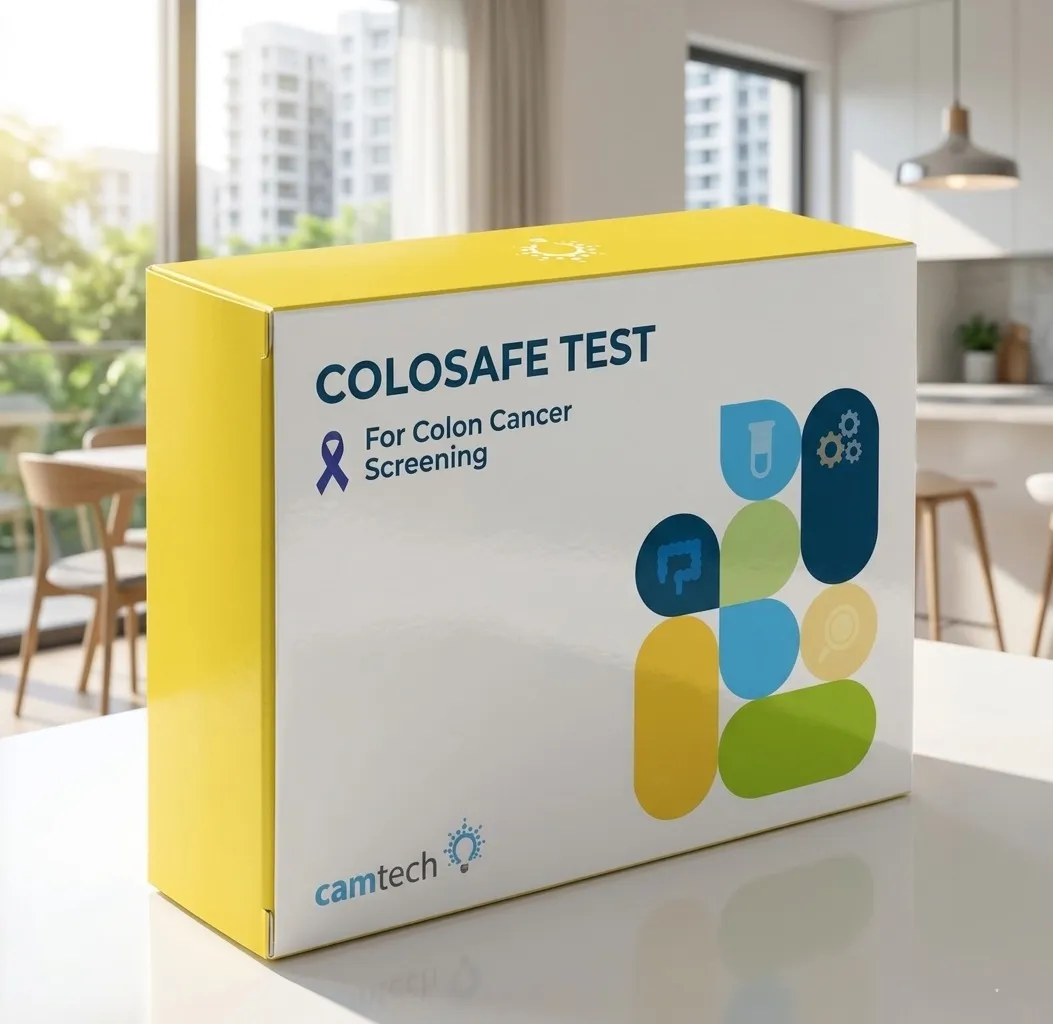
Colorectal cancer remains one of the most frequently diagnosed cancers in Singapore. Despite its prevalence, many individuals delay regular screening due to concerns about discomfort, bowel preparation, clinic visits, or time away from work. For some patients, the idea of a colonoscopy may feel intimidating, especially if they are asymptomatic and unsure whether screening is necessary.
In Singapore, colorectal cancer screening is commonly discussed in relation to the Faecal Immunochemical Test, also known as FIT, and colonoscopy. HealthHub notes that FIT checks for small amounts of blood in stool that may not be visible, while a colonoscopy allows direct visual examination of the colon. You can read more about national screening information on HealthHub’s colorectal cancer resource.
Recent developments in clinical diagnostics have also introduced stool-based DNA testing options that can be performed through home sample collection. These tests may support individuals who want a private, non-invasive first step before deciding on further medical assessment. For a broader overview of local screening options, Camtech Health has also covered colorectal cancer screening in Singapore.
The Challenge of Screening Hesitation
It is common for patients in Singapore to feel uncomfortable discussing bowel habits, stool changes, or colorectal symptoms. Some may also feel a sense of “pantang” or apprehension when talking about cancer screening. This hesitation can delay timely screening, even when a person has reached the recommended screening age or has risk factors such as family history.
Stool-based testing helps reduce some of these barriers by allowing the sample to be collected in a private setting. For people who are not ready to proceed directly to colonoscopy, an at-home stool DNA test may provide a practical starting point for further discussion with a healthcare professional.
This matters because screening works most effectively when people participate before symptoms appear. HealthHub’s national screening resources state that the best time to go for screening is when a person still feels fine. More information on recommended screening pathways can be found on HealthHub’s screening journey page.
How Stool DNA Testing Works: The Science of SDC2 Methylation
At-home stool DNA tests such as Colosafe use molecular analysis to detect selected DNA markers associated with colorectal abnormalities. Unlike a standard FIT, which checks for hidden blood in stool, stool DNA testing looks for specific genetic or epigenetic signals that may be shed from cells lining the colon.
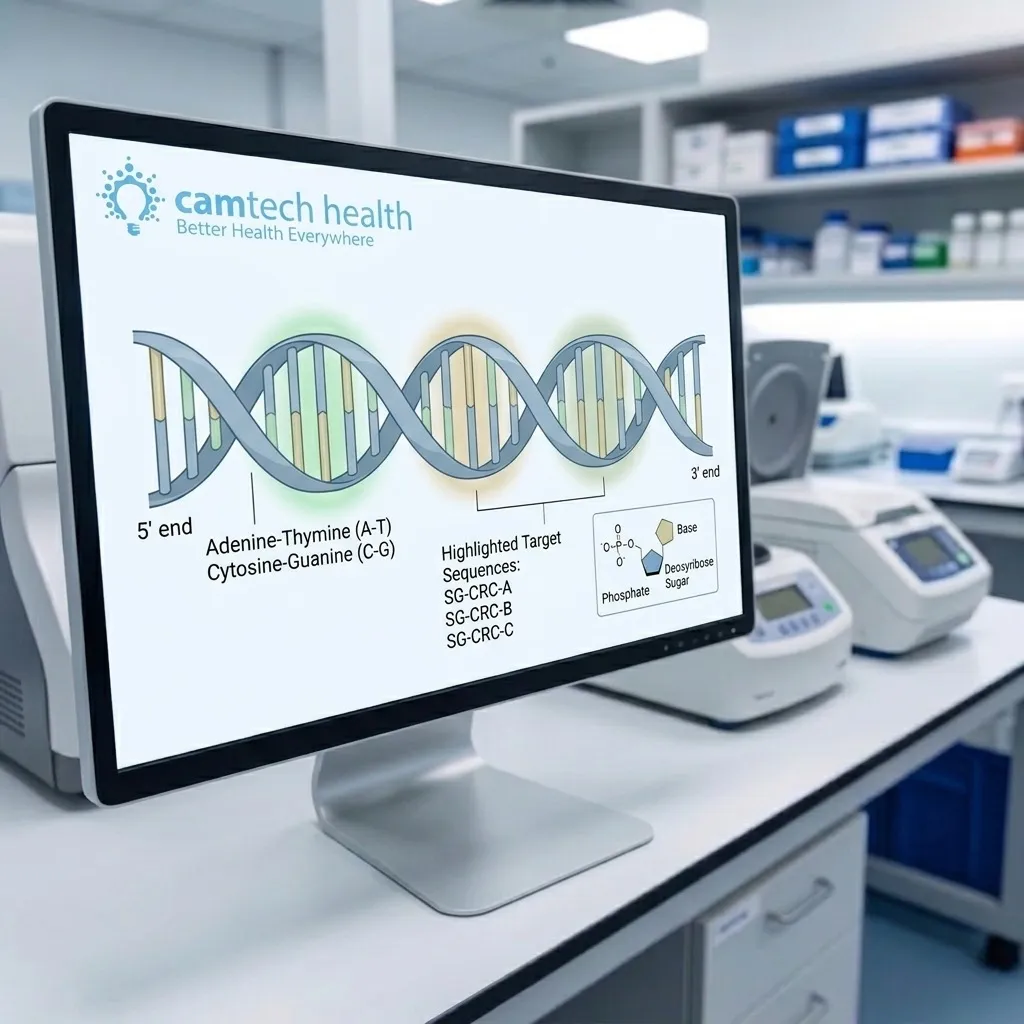
One marker used in certain stool DNA tests is SDC2 methylation. In a clinical context, methylation refers to a chemical modification of DNA. When abnormal methylation patterns are detected in genes such as SDC2, they may be associated with colorectal lesions or cancer-related changes. As stool passes through the colon, it can collect exfoliated cells from the intestinal lining. These cells can then be analysed in a laboratory.
For readers who want a deeper explanation of the technology, Camtech Health has published a related article on non-invasive colorectal health screening and Colosafe. Research literature also discusses SDC2 methylation as a non-invasive biomarker that may complement existing colorectal cancer screening methods.
Benefits of the At-Home Collection Process
The main advantage of at-home stool DNA testing is that it lowers practical barriers to screening. For busy Singaporean adults, a home collection kit may be easier to fit around work, caregiving, and daily commitments.
No Dietary Restrictions
DNA-based stool collection generally does not require fasting or avoiding specific foods before sample collection. Users should still follow the instructions provided with the kit.
No Bowel Preparation
Unlike colonoscopy, stool sample collection does not require bowel preparation with laxative solutions. This can make the first screening step feel more manageable for people who are hesitant about invasive procedures.
Privacy at Home
The sample is collected in the user’s own bathroom and then submitted for laboratory processing. This can reduce the discomfort some people feel when discussing colorectal screening in person.
Convenience for Local Schedules
Home-based collection can support screening participation for people with demanding work schedules. Camtech Health has also discussed how non-invasive options may help address Singapore’s colorectal cancer screening gap.
Accuracy and Clinical Follow-Up
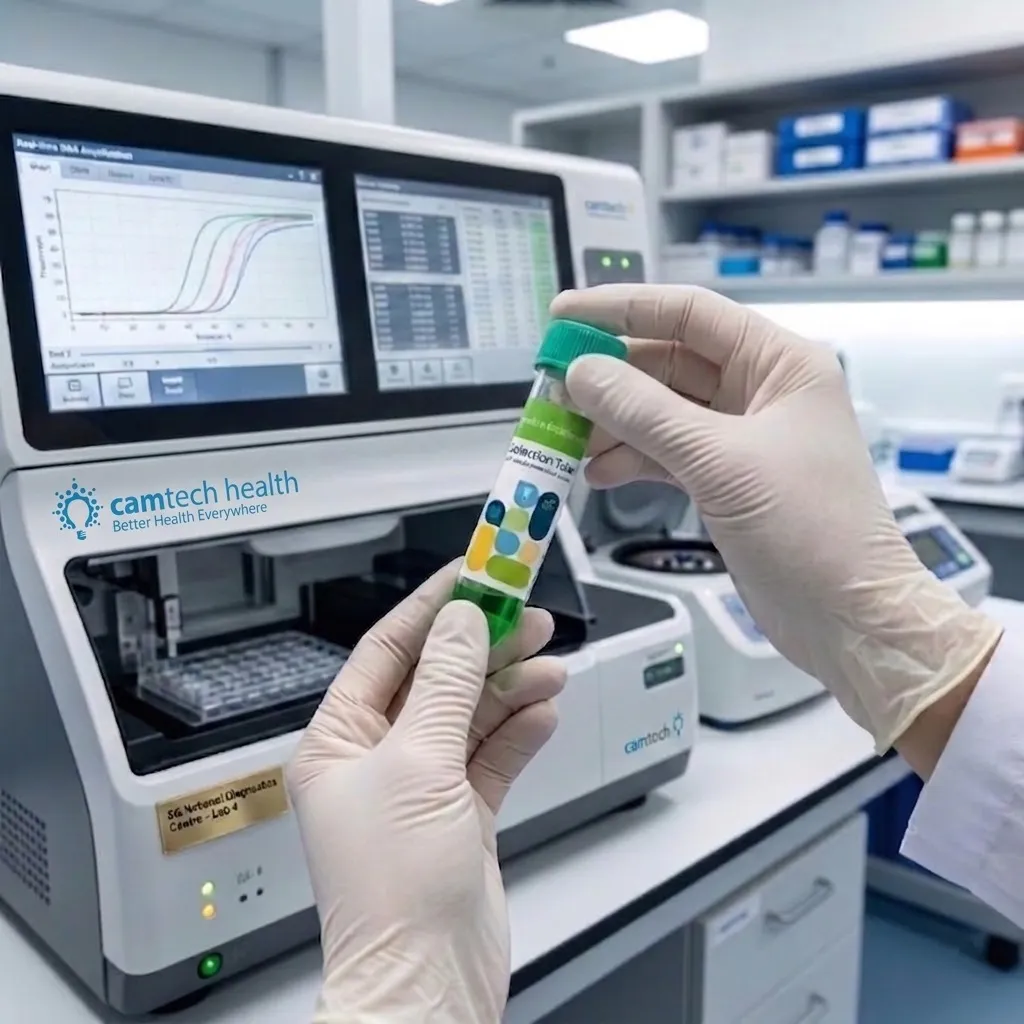
While home-based stool DNA testing is a useful screening tool, it is important to understand what the result can and cannot tell you. The Colosafe diagnostic kit has reported a sensitivity rate of 86.71% for early-stage colorectal cancer, Stages I to II, and an overall specificity rate of 97.85%.
These figures should be understood in the context of screening. A stool DNA test does not confirm whether someone has cancer. It helps identify individuals who may need further medical assessment. A positive result should be discussed with a registered medical practitioner.
Colonoscopy remains the diagnostic reference standard because it allows the doctor to directly inspect the colon and remove polyps during the same procedure when clinically appropriate. The National Cancer Institute Singapore explains that people with positive stool screening results are generally referred for colonoscopy to rule out cancer. You can read more from NCIS on colorectal cancer screening and prevention.
Who Should Consider Colorectal Cancer Screening?
Screening recommendations can vary depending on age, symptoms, family history, personal medical history, and previous screening results. In Singapore, adults aged 50 and above are commonly advised to undergo regular colorectal cancer screening. Those with a family history of colorectal cancer or previous colorectal polyps may need earlier or more frequent medical assessment.
You should seek medical advice promptly if you notice symptoms such as blood in stool, persistent changes in bowel habits, unexplained weight loss, ongoing abdominal discomfort, or unexplained tiredness. A normal stool screening result should not be used to ignore symptoms.
For official screening guidance, refer to the MOH Screening Test Review Committee 2026 report and discuss your personal risk profile with a healthcare professional.
Using Registered and Appropriately Supplied Test Kits
Medical devices and in vitro diagnostic devices supplied in Singapore are regulated by the Health Sciences Authority. Before using any screening test, patients should check that the product is appropriately supplied and that they understand how the result should be interpreted.
HSA provides guidance on the regulation of medical devices in Singapore, including requirements for registration and dealer licensing. More information is available through the HSA medical devices regulatory overview.
If you are comparing screening options, you may also explore Camtech Health’s available health test range and speak with a healthcare professional about which screening pathway is suitable for your age, symptoms, and medical history.
Patient FAQ
Is the at-home stool DNA test as accurate as a colonoscopy?
No. A colonoscopy remains the diagnostic reference standard because it allows direct visual inspection of the colon and immediate removal or biopsy of suspicious polyps when clinically appropriate. The stool DNA test is a screening tool. It is designed to help identify people who may need a follow-up colonoscopy.
Can I use MediSave or CHAS subsidies for this test?
Subsidies such as Screen for Life commonly focus on FIT testing and follow-up care at participating providers. Payment options for stool DNA testing may vary depending on the provider, distributor, or insurance arrangement. Check directly with the healthcare provider or kit distributor before purchase.
What should I do if my at-home test result is positive?
A positive result means that the relevant marker was detected. It does not confirm cancer. You should consult a registered medical practitioner, who may recommend a diagnostic colonoscopy or other follow-up steps based on your medical history and symptoms.
Do I need to change my diet or stop medication before taking the sample?
Stool DNA sample collection generally does not require fasting, dietary changes, or stopping medication. Always follow the instructions provided with your test kit. If you are unsure whether your medication or medical condition affects sample collection, ask a healthcare professional before proceeding.
Medical Disclaimer
This article is provided for educational and informational purposes only and does not constitute medical advice, diagnosis, or treatment. The Colosafe test is a screening tool and is not a substitute for a diagnostic colonoscopy. A positive result should be followed by consultation with a registered medical practitioner and, where clinically indicated, diagnostic colonoscopy. Always consult a healthcare professional regarding your specific health needs and screening schedule.
*Visuals are assisted by AI
References
- Ministry of Health Singapore. Screening Test Review Committee 2026, Volume 1. https://www.moh.gov.sg/others/resources-and-statistics/strc-2026-volume-1/
- HealthHub Singapore. Colorectal Cancer. https://www.healthhub.sg/health-conditions/colorectalcancer
- Health Sciences Authority Singapore. Medical Devices Regulatory Overview. https://www.hsa.gov.sg/medical-devices/regulatory-overview/
- Liu X, et al. Fecal DNA SDC2 methylation test for colorectal cancer detection. https://www.bjbms.org/ojs/index.php/bjbms/article/view/13425