How DNA Can Guide Recovery, Sleep and Training Load
By Stuart Chan
You do not need to train harder every day to make progress. Understanding how sleep, nutrition, stress and training load interact can help you make more thoughtful recovery decisions. Deoxyribonucleic acid (DNA) fitness insights may add another layer of context, but they do not replace your training experience, qualified coaching or medical advice.
Most people know that consistent exercise matters. What is harder to understand is why one person feels ready for another intense session after a short break, while another needs more time to feel recovered. Training response is influenced by many factors, including sleep, stress, nutrition, age, training history, illness, travel and genetics.
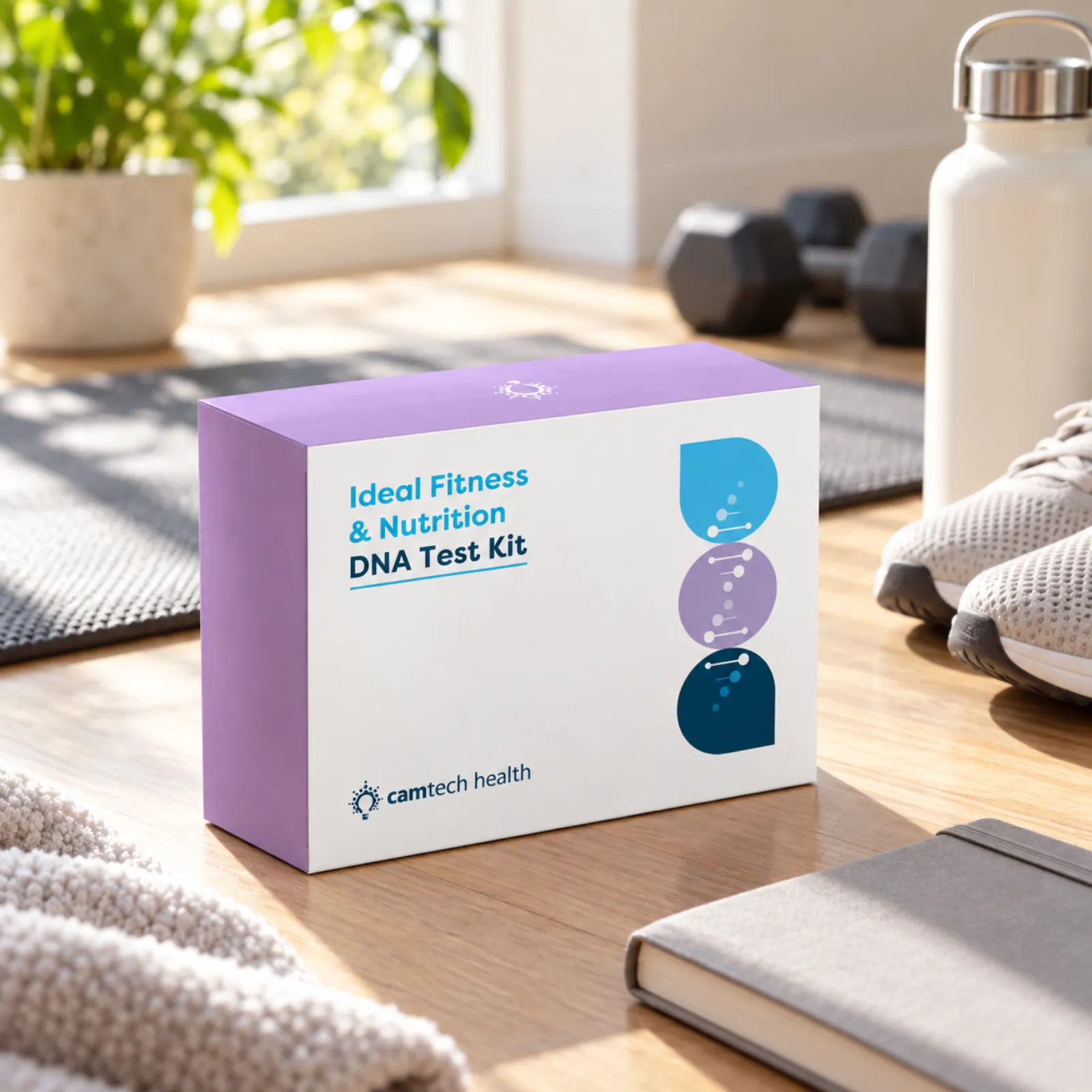
The Camtech Health IDEAL Fitness & Nutrition DNA Test is designed to provide wellness-focused genetic insights related to fitness and nutrition traits. These insights may help you ask better questions about your training routine, especially when combined with a training log, sleep patterns, nutrition habits and advice from a qualified professional.
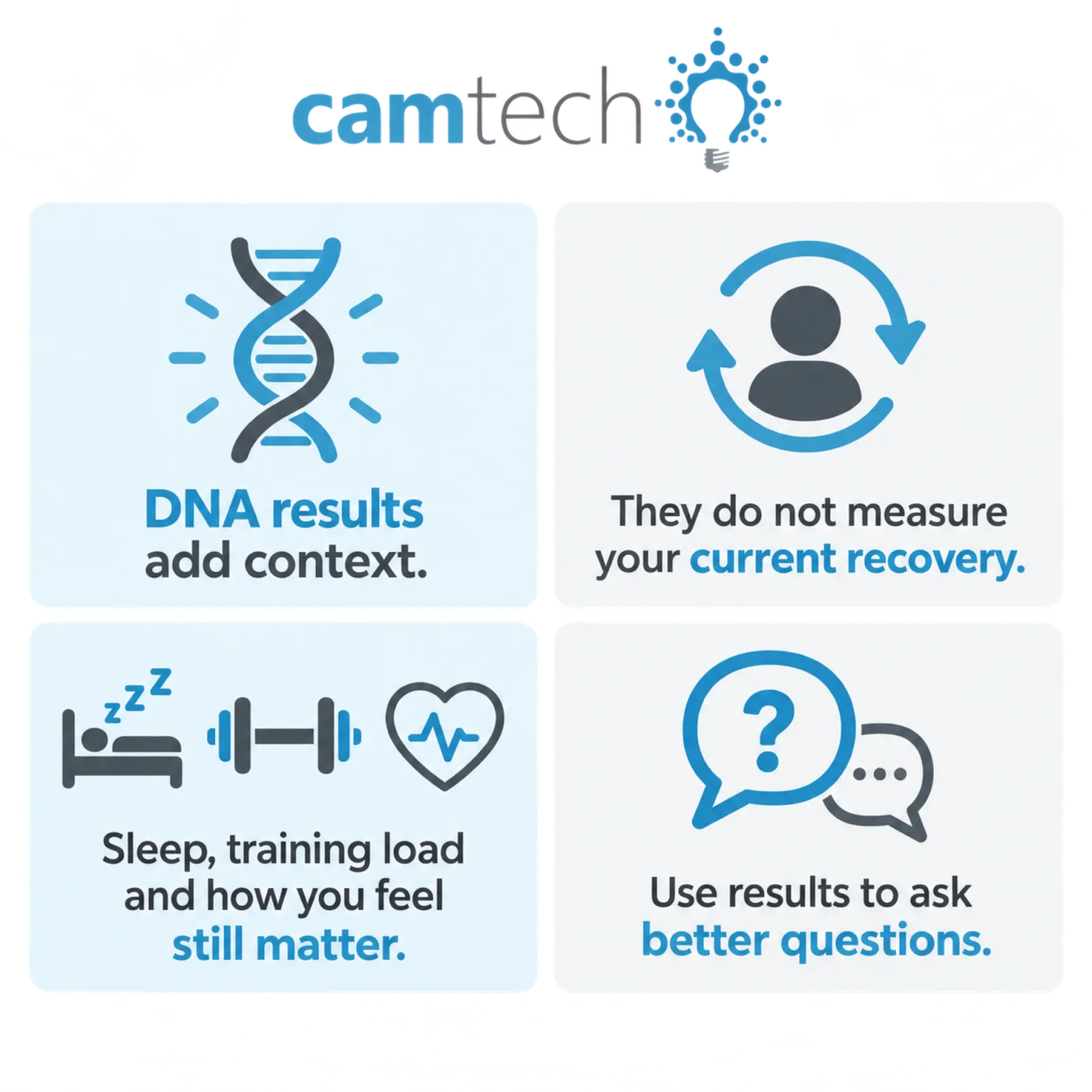
It is important to keep genetic testing in perspective. A DNA result is not a training programme, a medical diagnosis or a guarantee of athletic performance. Instead, it is one layer of information that can support more informed decisions about how you train, recover and fuel your body.
Why recovery is part of training
Training creates a stimulus. Recovery is when the body adapts to that stimulus. Without enough recovery, a programme that looks productive on paper may lead to persistent fatigue, reduced motivation, poor sleep, soreness that does not settle, or a higher chance of overuse problems.
Global physical activity guidance from the World Health Organization encourages regular movement for health, but this does not mean every session should be intense. A sustainable routine usually includes a mix of harder sessions, easier movement, strength work, mobility, rest and good sleep.
Sleep
Sleep supports physical and mental restoration. Poor sleep can affect energy, focus, mood and readiness to train.
Training load
Training load is the total stress placed on the body through exercise volume, intensity and frequency.
Nutrition
Food quality, protein intake, hydration and micronutrients can all influence how well the body adapts.
What DNA may add to recovery planning
Exercise genetics is an evolving field. Research has explored how genetic variation may relate to sports performance traits, muscle fibre characteristics, endurance capacity and response to training. However, these traits are complex and shaped by both biology and lifestyle. Genetic insights should therefore be treated as useful context rather than a fixed prediction.
For everyday fitness, the practical value of DNA recovery and training insights is not to label you as “built for” only one type of exercise. It is to help you personalise the questions you ask. For example, should your plan include more recovery between high-intensity sessions? Should strength and endurance be balanced differently? Are there nutrition traits that may be worth reviewing with a dietitian?
Sleep and recovery: why rest deserves attention
Sleep is one of the most important recovery inputs because it supports restoration, cognitive performance and day-to-day wellbeing. The CDC notes that good sleep quality and enough sleep are essential for healthy sleep, while the NHS recommends consistent sleep routines, wind-down habits and a suitable sleep environment.
For active individuals, sleep may affect more than tiredness. A review on sleep and athletic performance describes sleep as relevant to performance, cognition, health and mental wellbeing. This does not mean sleep alone guarantees better results, but it does make sleep a practical part of recovery planning.

How DNA can support sleep-related questions
Some genetic traits may relate to factors that influence sleep indirectly, such as caffeine response, stress sensitivity, energy regulation or recovery tendency. A fitness DNA report should not be used to diagnose insomnia, sleep apnoea or any sleep disorder. However, it can encourage a more structured review of habits that affect rest.
Practical takeaway: If your results suggest traits that may affect recovery, use them to guide observation. Track bedtime consistency, caffeine timing, perceived fatigue, soreness, mood and training performance for several weeks before making major programme changes.
Training load: matching intensity with readiness
Training load is not just how hard a workout feels. It includes session intensity, duration, frequency, recovery between sessions and total stress across the week. A well-designed plan usually alternates harder and easier days, rather than pushing maximum effort every time.
Genetic fitness testing may help you think about how your body tends to respond to different types of exercise. Camtech Health’s guide to strength versus endurance genetic potential explains how fitness insights can support more personalised decisions while still recognising that training, consistency and lifestyle shape outcomes.

Questions your DNA results may help you ask
- Do I seem to recover better from strength sessions, endurance sessions or lower-impact conditioning?
- Do I need more spacing between high-intensity workouts?
- Do my sleep patterns change after late evening training?
- Do certain nutrition patterns support steadier energy during training weeks?
- Should I discuss recurring fatigue, pain or poor recovery with a qualified professional?
These questions are safer and more useful than trying to use DNA to set rigid rules. Your body’s response can change with fitness level, age, stress, illness, menstrual cycle, travel and work demands. The aim is to build a feedback loop between genetic insight, real-world tracking and professional guidance where needed.
Nutrition: the recovery variable many people miss
Recovery is also influenced by how well you fuel. Protein supports muscle repair, carbohydrates can support training energy, and micronutrients play roles in normal body functions. However, nutrition needs vary by person, training goal and health status.
Camtech Health’s article on personalised nutrition and metabolism explains how genetic variability may influence how people respond to macronutrients and nutrients. DNA insights may help identify areas to discuss with a dietitian or qualified healthcare professional, especially before making major dietary or supplement changes.

Turning DNA results into a safer training plan
Receiving a DNA report is only the first step. The real value comes from translating the information into small, measurable changes. Camtech’s guide on using DNA results to improve lifestyle provides a practical framework for moving from report review to everyday action.
A simple five-step approach
- Review your report themes: Look for patterns related to recovery, fitness response, nutrient metabolism or energy regulation.
- Compare with your training log: Match your results against sleep quality, soreness, motivation, performance and fatigue patterns.
- Adjust one variable at a time: Change training volume, rest days, workout timing or nutrition gradually so you can see what helps.
- Use digital tracking: The Camtech Health App can support access to reports, personalised guidance and progress tracking.
- Seek professional input: Speak with a qualified coach, physiotherapist, dietitian or healthcare professional if your goals, symptoms or training demands are complex.
Important information: If you experience chest pain, fainting, unusual shortness of breath, persistent pain, unexplained weight loss, severe fatigue or ongoing sleep problems, seek medical advice rather than relying on a DNA report or fitness tracker.
What a fitness DNA test cannot do
A responsible approach to genetic fitness testing also means being clear about its limits. A DNA test cannot tell you exactly how many rest days you need, guarantee performance improvements, prevent injury, diagnose overtraining or replace a medical assessment.
It also cannot account for every factor in your current life. Two people with similar genetic tendencies may respond differently because of work stress, sleep opportunity, coaching quality, diet, previous injuries, health conditions and consistency. This is why DNA insights should support decision-making, not dominate it.
Where Camtech Health fits in
Camtech Health focuses on accessible at-home testing and digital health support. The IDEAL Fitness & Nutrition DNA Test provides fitness and nutrition insights through at-home sample collection and a personalised report. If you are new to the concept, Camtech Health’s introduction to at-home genetic DNA testing explains how genetic markers can provide insight into predispositions while still requiring responsible interpretation.
For people who train regularly, the most useful mindset is not “What does my DNA allow me to do?” but “How can I train, recover and sleep in a way that fits my body better?” That shift can make training more sustainable, more personal and easier to discuss with trusted professionals.
Conclusion
DNA recovery and training insights can support a more thoughtful approach to fitness. They may help you understand tendencies related to exercise response, recovery planning, nutrition and rest, but they should never be treated as fixed instructions or medical conclusions.
The strongest plan combines several inputs: your DNA results, your training log, sleep habits, nutrition, life stress, goals and professional advice where needed. Used this way, a fitness DNA test can help reduce guesswork and support a more personalised path towards sustainable training.
References
- World Health Organization. Physical activity.
- CDC. About sleep.
- NHS. Fall asleep faster and sleep better.
- Charest J, Grandner MA. Sleep and athletic performance: impacts on physical performance, mental performance, injury risk and recovery, and mental health. Sleep Medicine Clinics. 2020.
- Konopka MJ, et al. Genetics and athletic performance: a systematic SWOT analysis. Genes. 2023.
Important information
This article is for general educational purposes only and does not replace advice, diagnosis or treatment from a qualified healthcare professional. Fitness DNA testing provides information about genetic predispositions and lifestyle-related traits. It is not intended to diagnose, treat, cure or prevent any disease or medical condition, predict injury with certainty, or prescribe an individual training programme. Always speak with a qualified healthcare professional, registered dietitian, physiotherapist or qualified coach before making significant changes to exercise, nutrition, supplements or health routines. Follow local healthcare guidance where relevant.
*Visuals are assisted by artificial intelligence (AI)
Frequently Asked Questions
Can a DNA test tell me exactly how much recovery I need?
No. A DNA test may provide insight into genetic tendencies related to exercise response, nutrition or recovery, but it cannot calculate your exact number of rest days. Recovery also depends on sleep, training intensity, stress, nutrition, age, injury history and overall health.
Can fitness DNA testing improve sleep?
A fitness DNA test does not treat or diagnose sleep problems. It may help you reflect on lifestyle factors that influence recovery, such as caffeine timing, training intensity or routine consistency. If you have ongoing poor sleep, loud snoring, breathing pauses during sleep or severe daytime sleepiness, speak with a qualified healthcare professional.
Is training load only about workout intensity?
No. Training load includes intensity, session duration, frequency, exercise type and recovery time. A balanced plan usually includes harder days, easier days and rest, rather than maximum effort every session.
Can DNA results prevent sports injuries?
No DNA test can prevent sports injuries. Genetic insights may encourage more personalised recovery habits, but injury risk is also influenced by technique, load progression, sleep, equipment, surfaces, previous injuries and coaching. Persistent pain should be assessed by a qualified professional.
How should I use my Camtech Health fitness DNA results?
Use your results as a starting point for safer questions about training, sleep, recovery and nutrition. Compare them with your real-world habits, make small changes, track what happens and discuss important findings with a qualified professional where needed.