
Lab Accreditation and Clinical Validation: Home Testing
By Stuart Chan
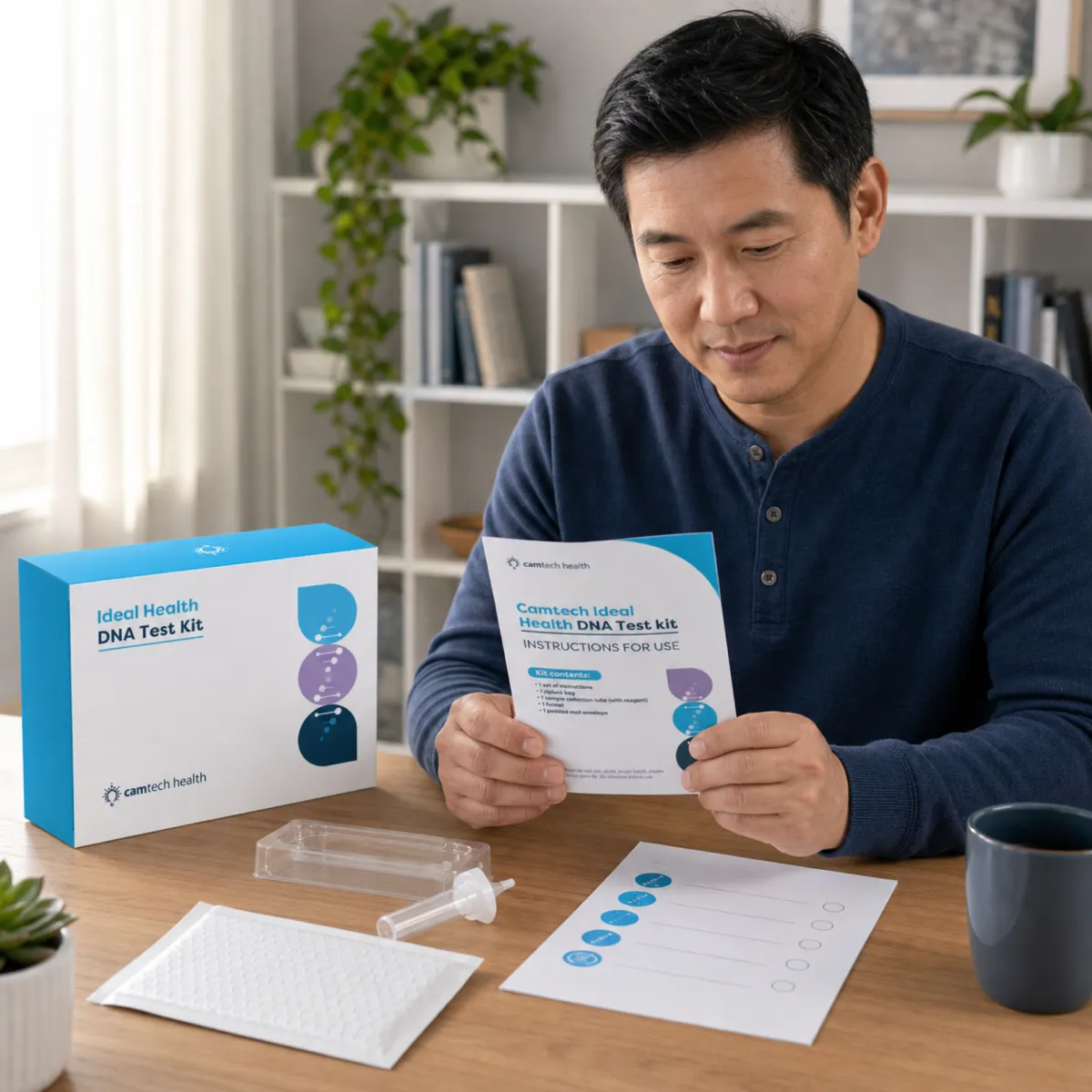
Choosing an at-home health test can feel like a simple purchase, but a trustworthy result depends on what happens before and after you use the kit. Before you rely on one, check its purpose, the laboratory or testing process, the evidence behind it, how samples are handled and what the result can, and cannot, tell you. Understanding laboratory accreditation and clinical validation helps you make a more informed choice.
Why quality matters in at-home testing
At-home testing moves part of the testing process outside a clinic or laboratory. That can improve convenience, privacy and access, but it also means instructions, sample handling, device design and result interpretation need careful control. The World Health Organization laboratory quality management system handbook describes laboratory quality as a whole-system issue, covering people, equipment, purchasing, process control, documents, records and continual improvement.
If you are choosing a test, the practical question is not only whether a kit is convenient. It is whether the test is suitable for its intended purpose, whether the sample can be collected and transported correctly, whether the laboratory or process is appropriately overseen, and whether the result is explained with its limitations.
What laboratory accreditation means
Laboratory accreditation is an independent assessment of whether a laboratory is competent to perform specified testing activities. For medical laboratories, ISO 15189:2022 sets requirements for quality and competence, and it can also apply to point-of-care testing. Accreditation is scope-specific, so it is important to know which tests, methods or services are covered.
The International Laboratory Accreditation Cooperation explains that accreditation bodies assess laboratories against relevant international standards and that mutual recognition arrangements can support wider acceptance of accredited results. This does not mean every test is automatically available or approved in every country. It means there is a structured way to evaluate competence and quality for the accredited scope.

Accreditation is not the same as a product claim
An accredited laboratory can support confidence in the testing process, but accreditation alone does not prove that every health claim made about a test is clinically useful for every person. You should still check the test purpose, instructions for use, local regulatory status, privacy practices and whether follow-up with a qualified healthcare professional is needed.
Key points
- Accreditation checks a laboratory or testing service against defined quality and competence requirements.
- Clinical validation asks whether the test result is meaningful for the stated health purpose.
- At-home tests should be interpreted according to product instructions and local healthcare guidance.
What clinical validation adds
Clinical validation is about whether a test result is relevant to the health question it claims to address. It is different from analytical performance, which asks whether the test can detect or measure the target accurately under specified conditions. Both matter, but they answer different questions.
For example, a test may measure a biological marker reliably, but the result still needs evidence showing how it should be interpreted for the intended user and setting. In the United States, the CDC explains that CLIA regulations apply to facilities or sites that test human specimens for health or disease assessment, while other countries use their own regulatory and accreditation pathways.

Home use needs extra usability thinking
When a test is designed for home use, you may not have clinical training. Instructions, sample collection tools, packaging, warnings and result displays must be understandable enough to reduce avoidable errors. Regional oversight differs, so you should check whether the laboratory, test provider and follow-up pathway meet the requirements that apply where you live.
How this applies to you
Camtech Health presents itself as a science-based health platform for innovative testing and personalised health insights. Its global website notes that it works with licensed and accredited partner labs and that some diagnostic products are approved only in certain countries, with availability varying by region. That distinction matters: you should not assume that a product listing, blog article or result pathway applies identically in your country.
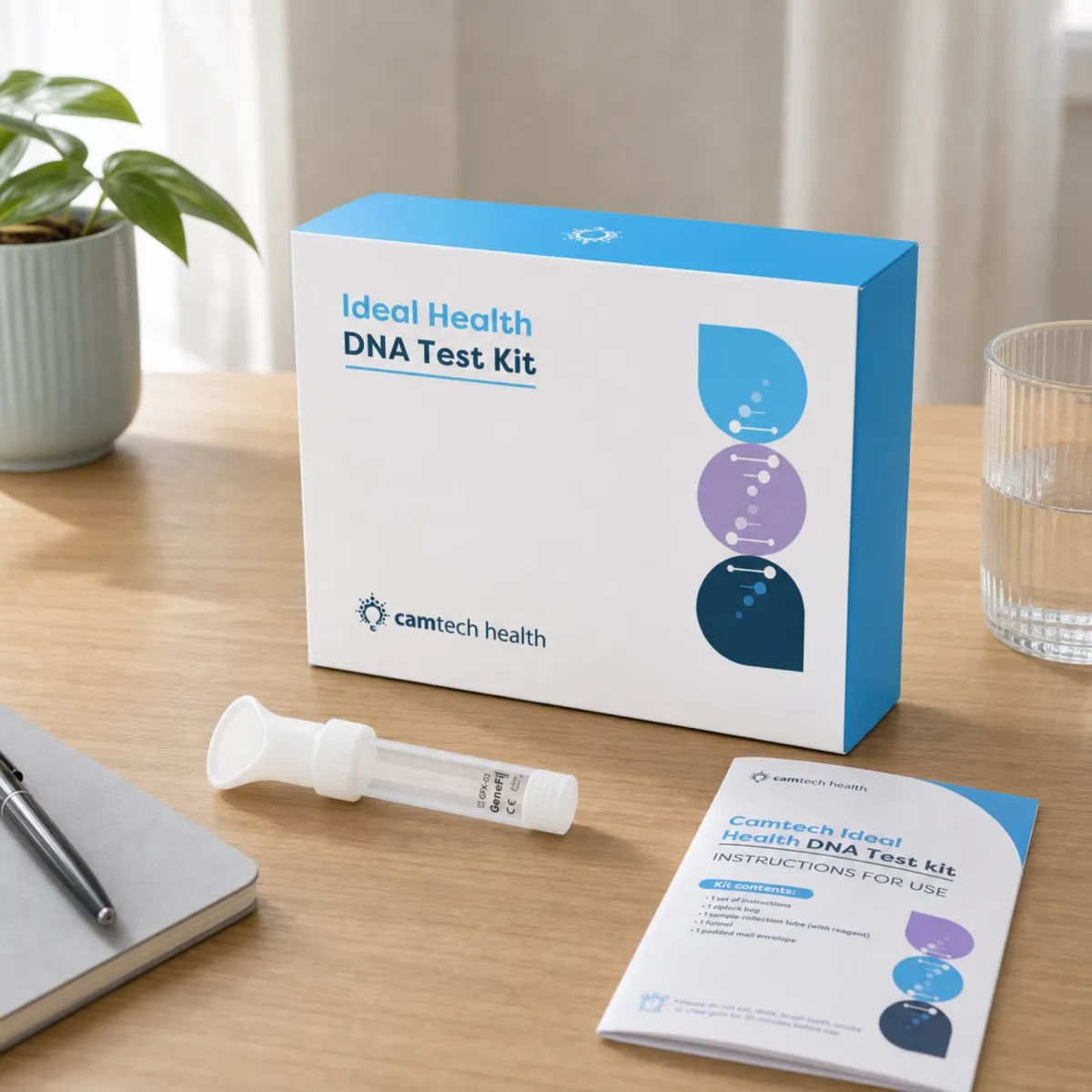
For wellness-focused DNA testing, Camtech's DNA Wellness Tests category includes IDEAL DNA products and states that these tests are for general wellness and lifestyle insight unless otherwise stated. The IDEAL Health DNA Test page also states that the test is not for detecting, diagnosing, managing or treating medical conditions. That type of limitation is a helpful signal because it separates lifestyle insight from medical diagnosis.
Digital results still need context
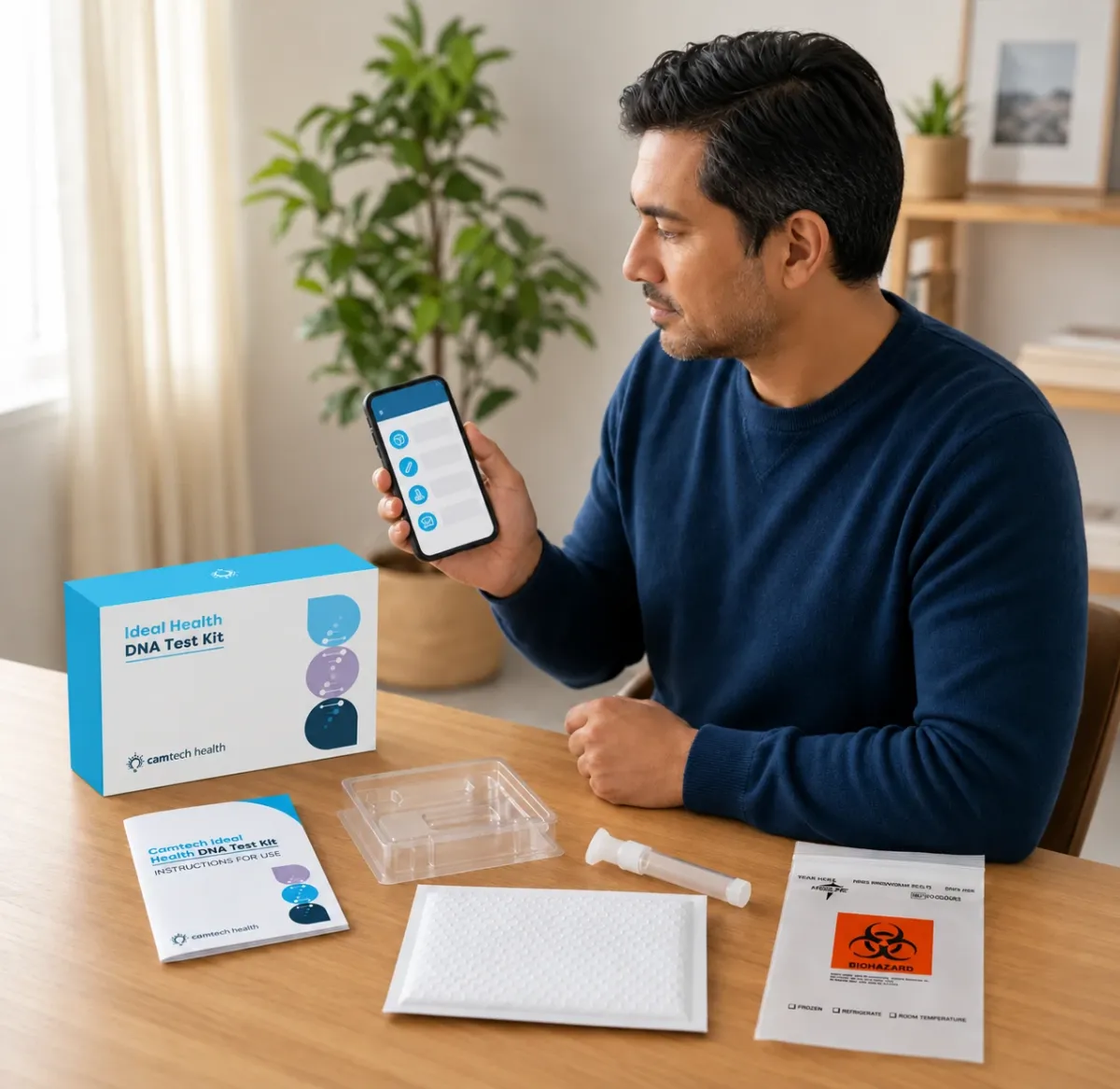
The Camtech Health App is described as a place to view health insights, access personalised recommendations, track progress and organise results. Digital presentation can make information easier to understand, but it should not turn a screening, wellness or monitoring result into a stand-alone diagnosis. If a result is unexpected, unclear or linked to symptoms, you should seek qualified medical advice according to local guidance.
What to check before choosing an at-home test
A practical checklist can help you compare tests without relying on marketing language alone. Start with the intended purpose: is the test for wellness insight, screening, monitoring or diagnosis? Next, check whether the laboratory or service is accredited for the relevant scope, whether the test has appropriate validation evidence, and whether the instructions explain how to collect and return the sample.
Also review privacy and data handling. Genetic and health data can be sensitive, so you should look for plain-language policies on how samples, reports and personal data are stored, shared and deleted. Finally, check the next-step guidance. A responsible test should tell you when to consult a healthcare professional, when to repeat a test, and when not to rely on a result alone.
The bottom line
Lab accreditation, clinical validation and clear diagnostics standards are part of the trust framework behind at-home health testing. They do not remove every limitation, and they do not make one country's approval apply worldwide. They do help you ask the right questions: who performed the test, what quality system supports it, what has been validated, what the result can and cannot tell you, and what to do next.
References
- Laboratory quality management system: handbook, World Health Organization
- ISO 15189:2022 Medical laboratories - Requirements for quality and competence, International Organization for Standardization
- ILAC MRA and Signatories, International Laboratory Accreditation Cooperation
- Clinical Laboratory Improvement Amendments, Centers for Disease Control and Prevention
- Clinical Laboratory Improvement Amendments, Centers for Medicare & Medicaid Services
Important information
This article is for general educational purposes only and does not replace advice, diagnosis or treatment from a qualified healthcare professional. Test availability, regulation, accreditation scope and recommended follow-up vary by country. Always read the product instructions, follow applicable local guidance and seek professional medical advice if you have symptoms, a concerning result or questions about your health.
*Visuals are assisted by artificial intelligence (AI)
Frequently Asked Questions
Does lab accreditation mean an at-home test is diagnostic?
No. Accreditation can support confidence in the laboratory or testing process, but a test's purpose depends on its instructions, validation evidence and local regulatory status.
What is the difference between analytical and clinical validation?
Analytical validation checks whether a test can measure or detect its target reliably. Clinical validation asks whether the result is meaningful for the stated health purpose.
Should I trust a home test result without seeing a doctor?
Use the result according to the product instructions and local guidance. If you have symptoms, a worrying result or uncertainty about next steps, consult a qualified healthcare professional.
Are Camtech Health tests available in every country?
No. Camtech Health states that some diagnostic products are approved only in specific countries and that availability varies by region.
What should I check before buying an at-home health test?
Check the intended purpose, accreditation or quality oversight, validation evidence, sample instructions, privacy policy, result limitations and recommended follow-up pathway.