Lifestyle, Sleep and Exercise: What Influences NAD Levels
By Stuart Chan
Nicotinamide adenine dinucleotide (NAD) helps cells use energy and supports several cell processes. NAD levels can vary by person, tissue, time of day, recent activity and measurement method. This guide explores what research says about sleep, movement and nutrition, and how a home test may add a useful data point to your wellness routine.
What is NAD, and why is it linked with longevity?
NAD exists in oxidised and reduced forms, commonly written as NAD+ and NADH. Together they help cells transfer electrons during energy metabolism. NAD+ is also consumed by enzymes involved in DNA repair, stress responses and gene regulation. A detailed review of NAD biology and ageing explains why researchers are interested in changes to NAD metabolism across the lifespan.
NAD is one of many molecules involved in cell processes and is an area of ongoing ageing research. Levels vary by tissue, so a blood result offers a partial view of NAD biology and can be considered alongside other health information.
Camtech’s article on the rise of home health testing explores how biomarker information can sit alongside lifestyle data to support more informed health conversations.
NAD levels can change over time
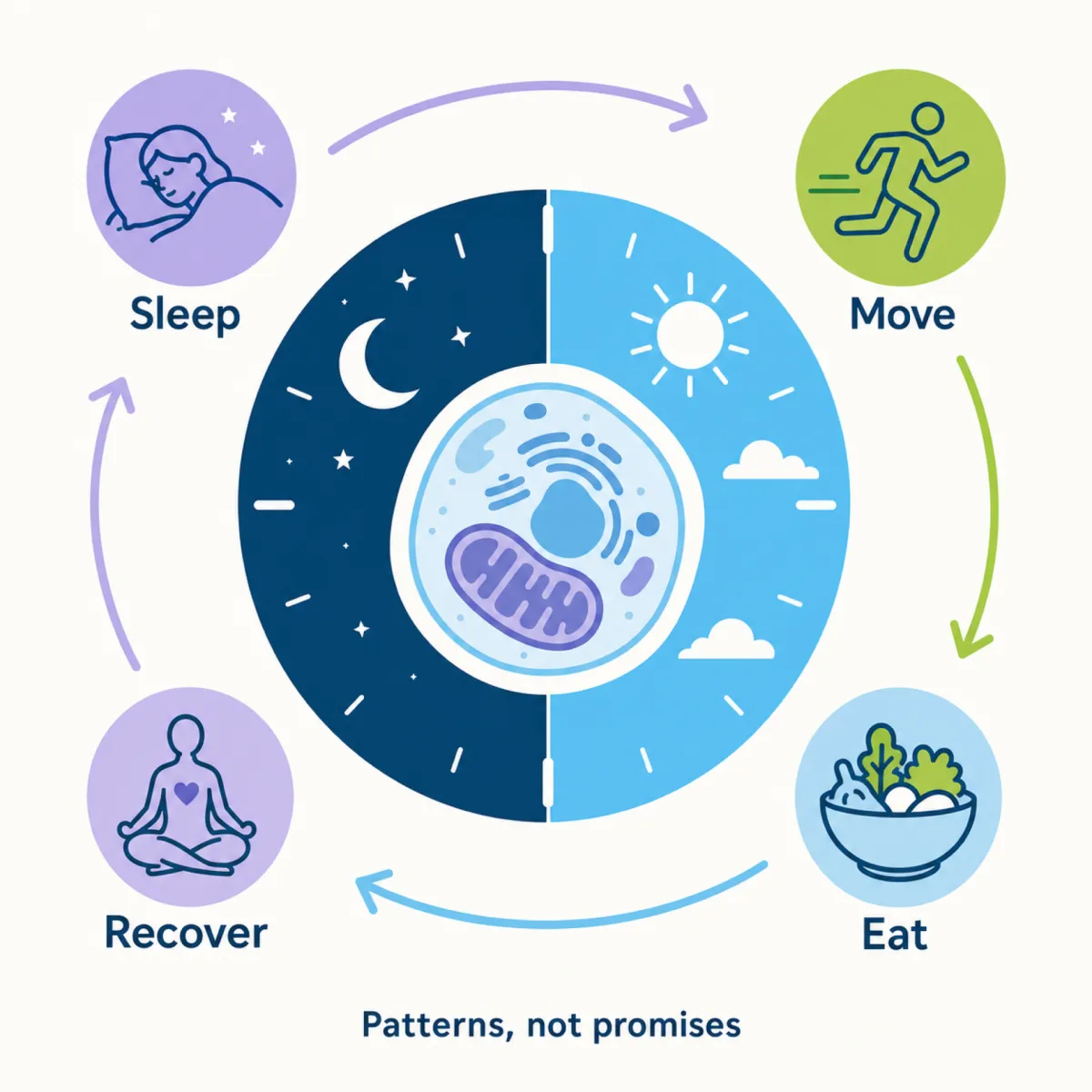
NAD metabolism is connected with the circadian system, the internal timing network that coordinates sleep, wakefulness, feeding and many metabolic processes. Laboratory and animal research shows that NAD-related pathways can vary across the day. Human research is still developing, so a single bedtime should not be presented as a direct way to raise an NAD reading.
What the evidence tells us
- Well established: NAD supports energy metabolism and cell signalling.
- Under study: sleep timing, exercise, diet and metabolic health interact with NAD pathways.
- Still being researched: whether a specific routine or supplement can reliably change blood NAD or affect lifespan.
Exercise and NAD: what the research says
Exercise increases energy demand and triggers adaptation in skeletal muscle. NAD-related reactions are part of these adaptations, which is why researchers study exercise and NAD pathways.
A review of NAD therapeutics and exercise adaptation in human skeletal muscle found that NAD metabolism is tightly regulated and that findings depend on training status, tissue, timing and the intervention studied. Some adaptations may occur alongside changes in NAD-related pathways without producing a large or lasting rise in measured muscle NAD.
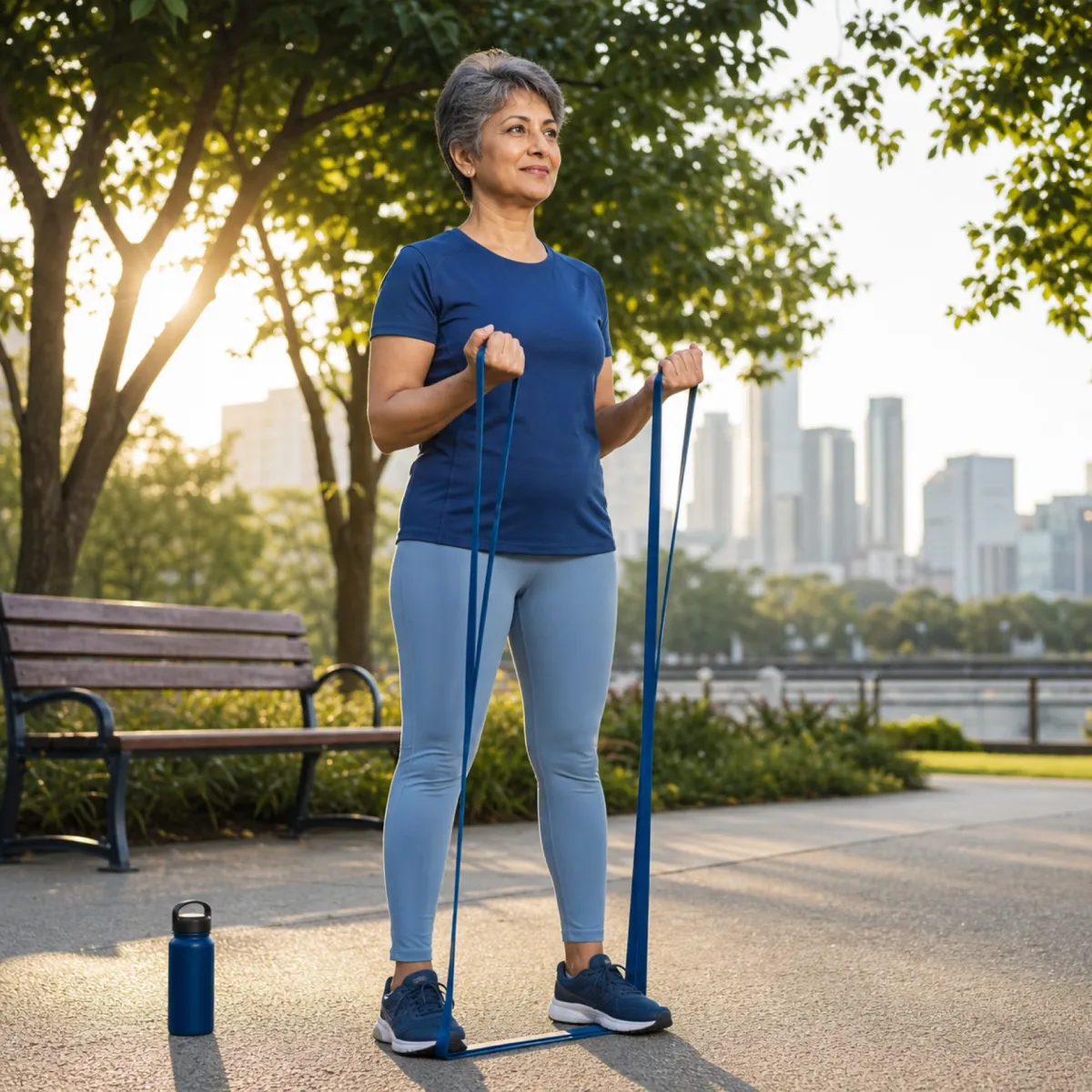
The broader everyday benefit is better overall health. The World Health Organization recommends regular activity and muscle-strengthening work for adults. Start at a level that suits your current fitness, then build gradually. Camtech’s guide to strength, endurance and genetic potential explores why people can respond differently to training.
Sleep and the body clock
NAD metabolism is linked to the body clock. Research connects regular sleep and wake timing with circadian patterns, while disrupted schedules and repeated sleep loss can affect metabolic timing. Sleep supports overall wellbeing as one part of the larger picture.

Practical sleep foundations
- Keep sleep and wake times reasonably consistent, including at weekends.
- Use the hour before bed for a calmer, lower-light routine.
- Keep the bedroom dark, quiet and comfortably cool.
- Allow enough sleep opportunity to wake feeling restored.
- Seek medical advice for persistent insomnia, loud snoring, breathing pauses or excessive daytime sleepiness.
Sleep need varies, but the US National Heart, Lung, and Blood Institute notes that experts generally recommend seven to nine hours a night for adults. The number is a guide, not a substitute for evaluating sleep quality or a possible sleep disorder.
Nutrition: provide the building blocks
The body can make NAD from vitamin B3 compounds and from tryptophan, an amino acid found in protein. The NIH Office of Dietary Supplements lists fish, poultry, meat, nuts, legumes and grains among sources of niacin, while the overall diet contributes protein, micronutrients and energy needed for normal metabolism.
A varied, balanced diet can provide the nutrients and energy your body needs. A routine built around whole grains, legumes, fruit, vegetables and suitable protein sources is a practical starting point. For specific nutrition needs, follow personalised advice.
NAD precursor supplements such as nicotinamide riboside (NR) and nicotinamide mononucleotide (NMN) are still being studied. If you are considering a supplement, review the evidence and speak with a healthcare professional, especially if you take medicines or have a medical condition.
Other factors that can change the picture
| Factor | Why it matters | Practical interpretation |
|---|---|---|
| Age | NAD metabolism changes with ageing, but the pattern differs by tissue and health state. | Do not compare yourself with an unverified “ideal age” chart. |
| Metabolic health | Body composition, insulin sensitivity, inflammation and illness can interact with NAD pathways. | Use established clinical measures and professional assessment alongside any wellness biomarker. |
| Alcohol | Alcohol metabolism changes the cellular NAD+/NADH redox balance, especially in the liver. | Do not drink to influence NAD. Follow local low-risk guidance and seek help if alcohol is difficult to control. |
| Recent activity, meals and time of day | Acute metabolic state and biological timing may affect interpretation. | Keep pre-test conditions consistent when comparing results. |
| Supplements and medicines | Some products may alter NAD-related metabolites or interact with health conditions. | Record what you take and discuss changes with a qualified professional. |
How to track NAD more meaningfully
A single measurement is a snapshot. If you and a qualified professional decide that repeat testing is useful, a simple tracking protocol can reduce avoidable noise.
- Use the same method and laboratory where possible. Different assays and sample types may not be directly comparable.
- Standardise timing. Collect at a similar time of day and follow the test instructions on eating, exercise and sample handling.
- Record context. Note recent sleep, exercise, meals, alcohol, illness, travel, medicines and supplements.
- Look for a pattern. Avoid treating a small movement between two results as proof that an intervention worked.
- Interpret the whole picture. Consider symptoms, established clinical markers and professional advice.

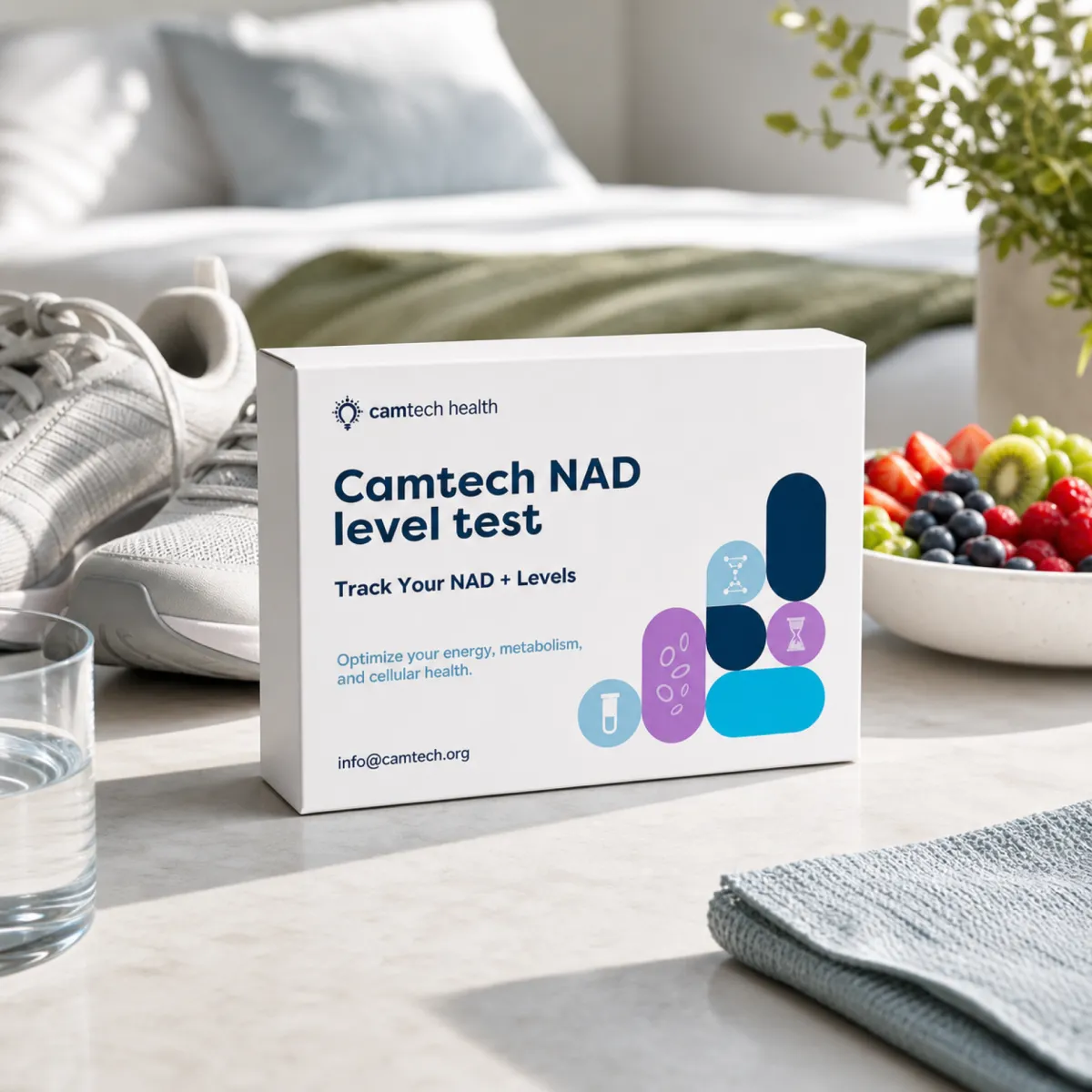
For customers in the UK, Camtech’s NAD Level Test uses a finger-prick dried blood spot collected at home and analysed by a laboratory. Check the product page for current availability and collection instructions. It can add one biomarker to your wellness tracking alongside everyday health habits. Camtech’s guide to turning health insights into practical lifestyle action offers ideas for putting the report into practice.
The bottom line
Sleep, movement and a varied diet all support overall wellbeing and connect with pathways involving NAD. Sustainable habits are the best place to begin. If you track NAD, use the same test conditions and note your day-to-day context so the result is easier to discuss with your health professional.
A proactive approach works best when information leads to useful questions and sustainable habits. Camtech’s article on proactive versus reactive wellness offers a broader framework for turning health insights into practical decisions.
References
- NAD+ metabolism and its roles in cellular processes during ageing, Nature Reviews Molecular Cell Biology, 2021.
- NAD+ therapeutics and skeletal muscle adaptation to exercise in humans, Sports Medicine, 2022.
- NAMPT-dependent NAD+ biosynthesis controls circadian metabolism in a tissue-specific manner, PNAS, 2023. Preclinical study.
- Niacin: Fact Sheet for Health Professionals, US National Institutes of Health Office of Dietary Supplements.
- Physical activity recommendations, World Health Organization.
Frequently Asked Questions
Can better sleep increase my NAD levels?
Regular, sufficient sleep supports overall health and is connected with circadian NAD pathways. The relationship is still being studied, so focus on consistent sleep habits rather than treating one routine as an NAD booster.
Does exercise raise NAD immediately?
Exercise changes muscle energy demand and activates NAD-related pathways. Responses vary, so regular movement is most useful for its broad fitness benefits.
Which foods support normal NAD production?
The body makes NAD from vitamin B3 compounds and tryptophan. A varied diet that includes suitable protein sources, fish or poultry where appropriate, nuts, legumes and grains can provide these building blocks. Individual dietary needs vary.
Is a high NAD result proof that I am ageing more slowly?
No. A blood NAD result is one marker and is not a standalone measure of biological age or lifespan.
How should I compare repeat NAD tests?
Use the same method and laboratory where possible, follow the collection instructions, test at a similar time of day and record recent sleep, exercise, meals, illness, medicines and supplements. Discuss unexpected changes with a qualified professional.
Important information
This article is general educational information and is not medical advice. The NAD Level Test is a wellness biomarker, not a standalone diagnostic test or validated measure of biological age or lifespan. Follow product instructions and speak with a healthcare professional before major changes to your care, diet, exercise or supplements.
*Visuals are assisted by artificial intelligence (AI)