
Nutrient Response and Training: Personalising Fitness
By Stuart Chan
Calories matter, but they do not tell the whole story of fitness. If you want to train well, your food quality, training load, recovery, sleep, health, preferences and consistency all matter. Deoxyribonucleic acid (DNA) information may add another layer of context, but it is one input, not a fixed instruction manual.
If you are exploring the IDEAL Fitness & Nutrition DNA Test, the most useful question is not “What diet does my DNA prescribe?” It is “How can I combine genetic insights with my real-world responses to make better-informed, sustainable choices?”
Why calories alone cannot define a training plan

Energy balance remains important. Food provides energy, and activity uses it. Yet two meals with similar calorie totals can differ greatly in protein, fibre, vitamins, minerals and how satisfying they feel. Likewise, two workouts with similar energy expenditure can create very different demands depending on intensity, duration, exercise type and the person doing them.
The World Health Organization’s healthy-diet guidance emphasises adequacy, balance, moderation and diversity. These principles offer a stronger foundation than chasing a calorie target alone.
Start with the basics:
- Eat a varied pattern built mainly around minimally processed foods.
- Include suitable sources of carbohydrate, protein and unsaturated fats.
- Match food intake to training demands, appetite, health needs and goals.
- Adjust gradually using patterns observed over several weeks.
What nutrient response means
Nutrient response describes how people may differ in the way they absorb, metabolise or respond to nutrients and food components. Genetics can contribute to these differences, alongside age, health, medication, gut function, sleep, stress, culture and habitual diet.
Nutrigenetics studies how genetic variation may influence responses to diet. Nutrigenomics looks more broadly at interactions between nutrients and gene activity. These fields are developing, and the strength of evidence varies considerably between traits.
A review of sport nutrigenomics and athletic performance found a growing evidence base for some gene–nutrient interactions, while also stressing that evidence for genotype-based exercise prescription and talent identification remains insufficient. This distinction matters: a result can be a useful conversation starter without being a proven instruction to change an entire training programme.
From a DNA insight to a practical question
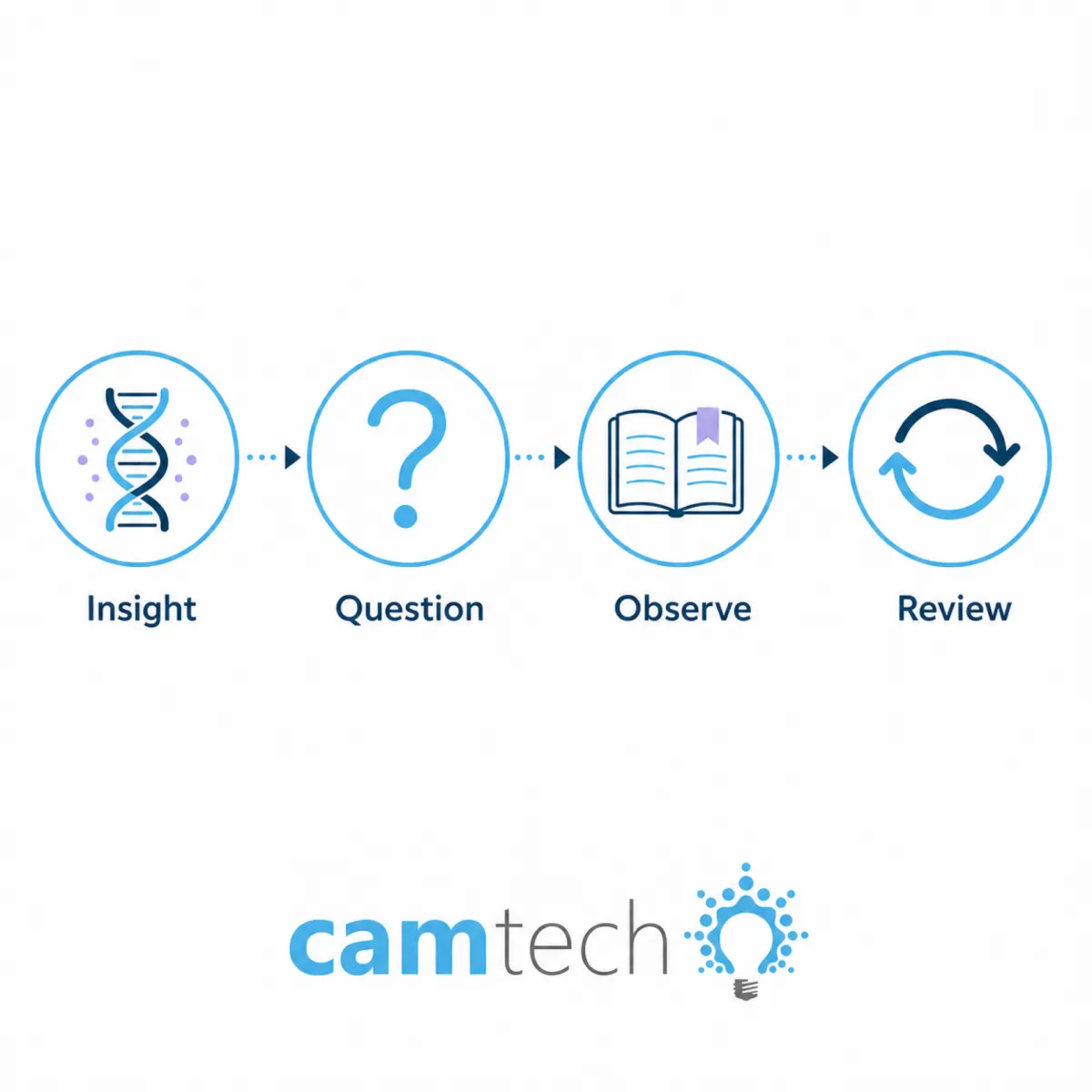
The safest way to use a wellness DNA result is to translate it into a question that can be checked against daily life. Avoid treating a variant as a diagnosis or destiny.
| Insight to explore | Practical question | Evidence to track |
|---|---|---|
| Possible difference in nutrient handling | Is my usual diet varied and adequate for my training load? | Food pattern, energy, hunger and recovery |
| Possible caffeine sensitivity | Does caffeine affect my sleep, anxiety, heart rate or training comfort? | Dose, timing, sleep and symptoms |
| Possible tendency linked with body composition | Are my training, meals and recovery consistent enough to judge progress? | Strength, measurements, sleep and adherence |
| Possible exercise-related trait | Which programme can I perform safely and sustain? | Technique, progression, enjoyment and injury symptoms |
If an insight raises a medical concern, involves supplements or conflicts with existing care, discuss it with a qualified healthcare professional or registered dietitian.
Build training goals around outcomes, not labels

A useful goal connects an outcome with behaviours you can repeat. “Improve fitness” is vague. “Complete two strength sessions and two moderate aerobic sessions each week for eight weeks” is measurable and adaptable.
The WHO physical-activity guidance provides a population-level starting point, including regular aerobic activity and muscle-strengthening work for adults. Individual programmes still need to reflect health status, experience, access, recovery and local professional guidance.
Choose goals across three levels:
- Outcome: what you hope to improve, such as strength, endurance or everyday energy.
- Behaviour: the sessions, meals and sleep routines you can control.
- Feedback: the measures that show whether the plan is helping.
Genetic insights may help you ask sharper questions, but they should not override safe progression or the evidence from your own training log.
Use a feedback loop instead of a perfect plan
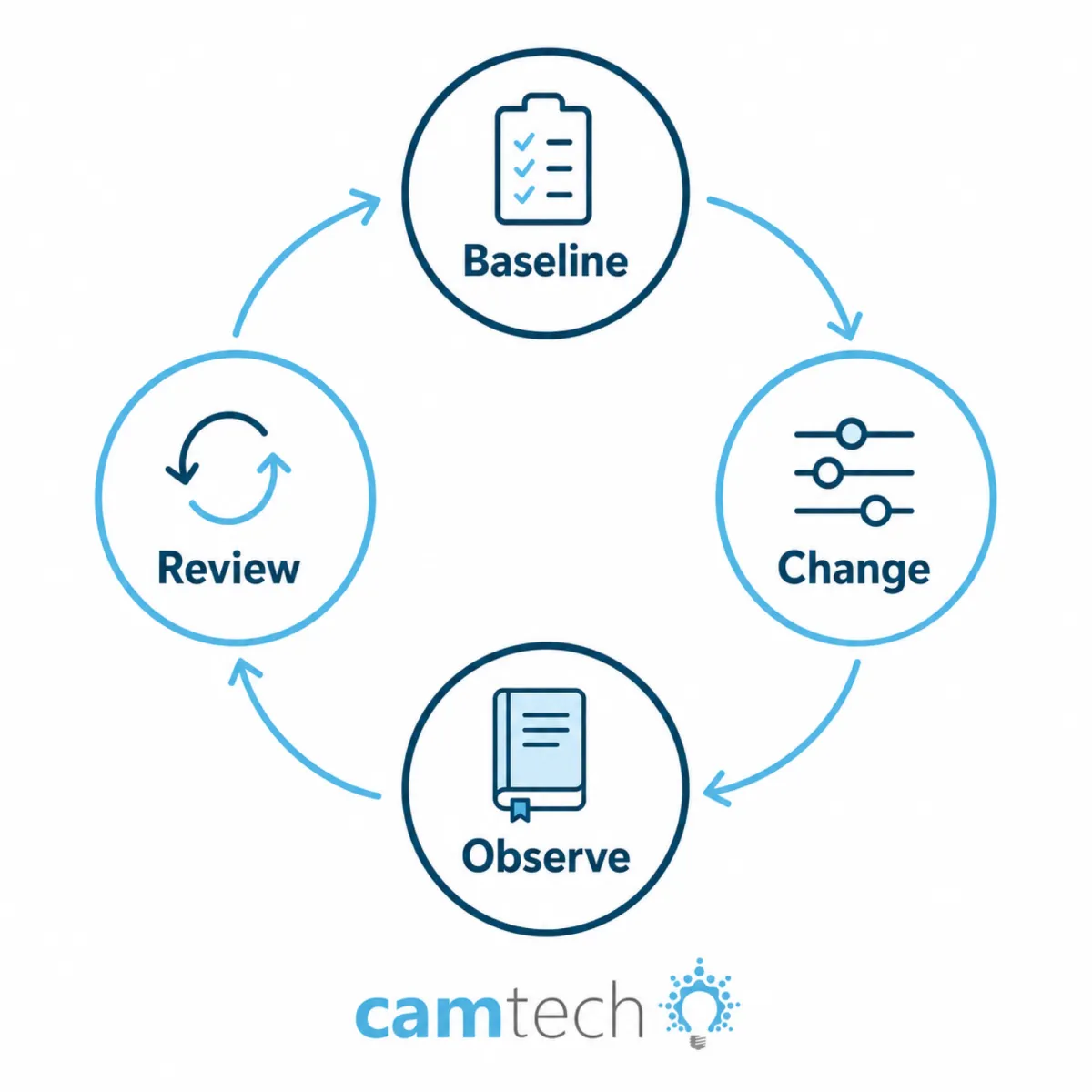
Personalisation works best as a cycle. Establish a sensible baseline, make one manageable change, observe the response and review it after enough time has passed.
Track a small set of useful measures:
- Session completion and perceived effort.
- Strength, pace or work capacity relevant to the goal.
- Hunger, energy and digestive comfort.
- Sleep duration and quality.
- Soreness, pain and recovery between sessions.
Change one major variable at a time where practical. If training volume, meal timing, supplements and sleep routines all change together, it becomes difficult to know what helped. A systematic review of personalised-nutrition trials found no consistent benefits across dietary, physical-activity and health outcomes, reinforcing the need for realistic expectations and ongoing evaluation.
When professional input adds value
Seek professional guidance when you have a medical condition, take medication, have a history of disordered eating, are pregnant, are recovering from injury, experience persistent symptoms, or plan substantial dietary restriction or supplement use.
A registered dietitian can assess dietary adequacy and translate evidence into an eating plan. A qualified exercise professional can help with technique, progression and programme design. A healthcare professional can investigate symptoms and interpret clinical tests. A wellness DNA result does not replace any of these roles.
A balanced way forward
Personalised fitness is broader than calories and more grounded than a single genetic result. Begin with a varied diet, an appropriate training plan, sufficient recovery and measures that matter to your goal. Use DNA-based insights cautiously to generate questions, then test those questions against credible guidance, professional advice and your own repeated observations.
The best plan is not the one that looks most personalised on paper. It is the one that is safe, evidence-aware, responsive to feedback and sustainable in real life.
References
- World Health Organization. Healthy diet.
- World Health Organization. Physical activity.
- Guest NS, Horne J, Vanderhout SM, et al. Sport Nutrigenomics: Personalized Nutrition for Athletic Performance. Frontiers in Nutrition. 2019.
- Shyam S, Lee KX, Tan ASW, et al. Effect of Personalized Nutrition on Dietary, Physical Activity, and Health Outcomes: A Systematic Review of Randomized Trials. Nutrients. 2022.
- Camtech Health. IDEAL Fitness & Nutrition DNA Test.
Important information
This article provides general educational information and does not replace personalised advice, diagnosis or treatment from a qualified healthcare professional. Genetic wellness insights do not diagnose disease or guarantee a particular response to food or exercise. Product availability, intended use and professional standards vary by region; follow applicable local guidance and seek professional advice when needed.
Visuals are assisted by artificial intelligence (AI)
Frequently Asked Questions
Can a DNA test tell me exactly what to eat?
No. It may provide wellness insights related to selected traits, but a suitable diet also depends on health, preferences, culture, training demands, access and professional assessment.
Can genetics determine whether I should do strength or endurance training?
Current evidence does not support prescribing a complete training programme or identifying sporting talent from genotype alone. Safety, goals, experience and real-world response remain essential.
Should I change several parts of my diet after receiving a result?
Avoid making multiple drastic changes at once. Start with a balanced baseline, choose one relevant and safe adjustment, and monitor the response over time.
Do I need a professional to interpret wellness DNA insights?
Professional input is especially helpful when results raise health concerns, involve supplements or restrictions, or conflict with existing care. A registered dietitian or healthcare professional can place the information in context.
How long should I track a change?
It depends on the goal and the change. Use a consistent period long enough to observe a pattern, and seek professional help sooner if symptoms, pain or other concerns arise.