Personalised Health Map: End One-Size-Fits-All
By Stuart Chan

Most of us have tried a routine that worked brilliantly for someone else but did very little for us. A neighbour cuts carbohydrates and feels energised. You try the same approach and feel tired. A friend swears by high-intensity workouts. You follow the plan and end up sore, demotivated, or stuck at the same fitness level. Someone online recommends a trending skincare ingredient, but your skin becomes irritated instead of glowing.
This is the frustration of the “one-size-fits-all” approach. It assumes that bodies respond in the same way to food, exercise, skincare, sleep and environmental stress. In reality, human biology is far more individual.
That is where a personalised health map becomes valuable. Rather than relying on trial and error, genetic wellness insights can help you understand your body’s natural tendencies, from fat metabolism and carbohydrate sensitivity to collagen protection and skin ageing risk.
Camtech Health’s IDEAL Fitness & Nutrition DNA Test analyses 35 traits related to metabolism, body type, vitamin absorption, nutrient intake and fitness response. The IDEAL Skin & Ageing DNA Test analyses 21 traits related to skin type, dermal sensitivities, longevity and skin ageing. These tests are designed to provide general wellness and lifestyle insights, not medical diagnosis.
Why One-Size-Fits-All Wellness Often Fails
Generic health advice can still be useful. Eating more whole foods, staying active, protecting your skin from UV exposure and getting enough sleep are healthy foundations for most people. The World Health Organization recommends a healthy diet built around fruit, vegetables, legumes, nuts and whole grains, while limiting excess salt, free sugars and unhealthy fats.
The problem begins when general advice is treated as a personalised plan.
A diet, workout or skincare routine is usually built around averages. But your body is not an average. Your genes, environment, lifestyle, age, hormones, stress levels, sleep, microbiome and medical history all influence how you respond.
For example, two people may follow the same training plan but experience different improvements in endurance, strength or recovery. Research on exercise response variation highlights that genetic, molecular, behavioural and environmental factors can all influence how people adapt to exercise.
In other words, the question is not always, “Am I disciplined enough?” Sometimes the better question is, “Is this plan actually suited to my biology?”
What Is Bio-Individuality?
Bio-individuality is the idea that each person has unique biological needs. This does not mean that science-based health principles no longer matter. It means that those principles may need to be personalised.
Your body may differ from someone else’s in areas such as:
- How efficiently you process fats and carbohydrates
- How your body responds to endurance versus strength-based exercise
- Whether you may have a genetic tendency towards lower levels of certain nutrients
- How sensitive your skin may be to UV exposure, inflammation or environmental stress
- How your skin supports collagen maintenance and antioxidant defence
This is why “copying” someone else’s routine can be frustrating. Their plan may match their biology, but not yours.
Camtech Health explores this concept further in its article on Understanding Metabolism: The Science of Personalized Nutrition, which explains why two people may respond very differently to the same nutritional programme.
A Personalised Health Map: From Guesswork to Guidance
A personalised health map is not a rigid rulebook. It is a clearer starting point.
Instead of cycling through trends, users can build decisions around biological insights. Genetic wellness testing can help identify predispositions that may influence nutrition, fitness and skincare choices.
For example, the Camtech Health IDEAL Fitness & Nutrition DNA Test provides insights into traits related to metabolism, vitamin absorption, nutrient intake, lean body mass potential, endurance potential, weight loss difficulty and more.
The goal is not to label your body as “good” or “bad”. The goal is to understand how it may work best.
Nutrition: Understanding Your Fuel Needs

Nutrition trends often swing from one extreme to another. Low-fat, low-carb, high-protein, plant-based, intermittent fasting and calorie tracking can all work for some people, but not every approach is suitable for every body.
Genetic wellness insights may help users better understand areas such as:
- Fat metabolism: How your body may respond to dietary fat intake
- Carbohydrate sensitivity: Whether your body may be more sensitive to higher carbohydrate patterns
- Vitamin and nutrient utilisation: Whether you may have predispositions linked to certain nutrient needs
- Caffeine response: How your body may process caffeine, which can influence sleep and energy patterns
Nutrigenomics, the study of how genes and nutrition interact, is a growing field. A 2024 scoping review noted that genetic testing is increasingly used to provide personalised information about health risks and lifestyle habits, while also highlighting that more robust evidence is still needed in some areas.
This balanced view matters. DNA insights can inform better choices, but they should complement, not replace, professional guidance from doctors, dietitians or qualified health practitioners.
Fitness: Training With Your Biology, Not Against It
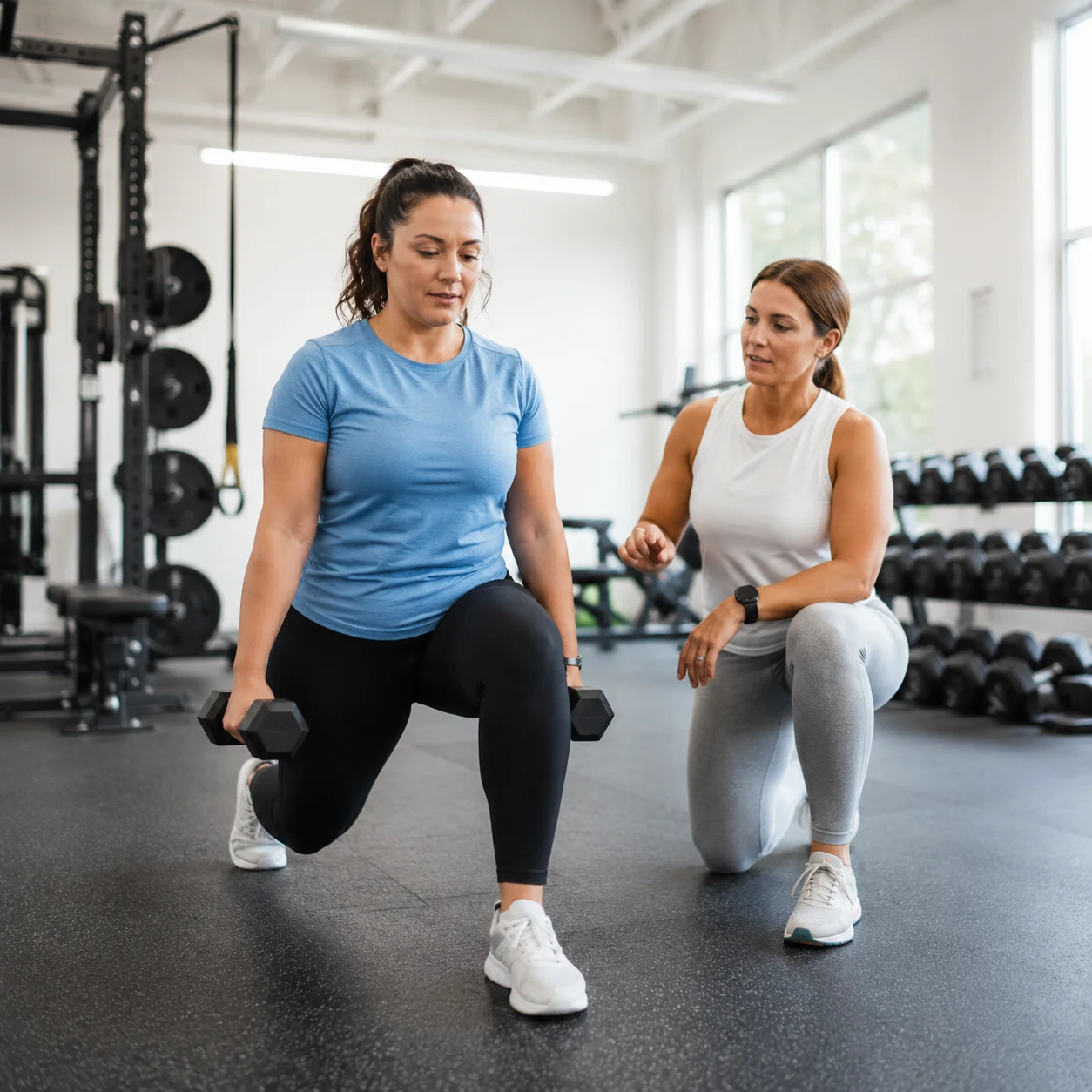
Fitness is another area where trial and error can be exhausting.
Some people seem to respond quickly to running, cycling or swimming. Others improve more with resistance training. Some recover well from frequent high-intensity sessions, while others need more rest to avoid burnout.
A personalised health map can help users consider whether their body may be more naturally inclined towards:
- Endurance-based activity
- Power or strength-based exercise
- Lean body mass development
- Slower or faster recovery patterns
- Higher risk of frustration from poorly matched training plans
WHO’s physical activity guidance emphasises that adults benefit from regular movement and that many adults worldwide are not meeting recommended levels of activity. Personalisation does not remove the need to move. It helps make movement more sustainable, realistic and aligned with the individual.
For Camtech users, this can mean using DNA wellness insights as a starting point for smarter conversations with fitness professionals, rather than blindly following generic programmes.
Skincare: Knowing What Your Skin May Need Earlier
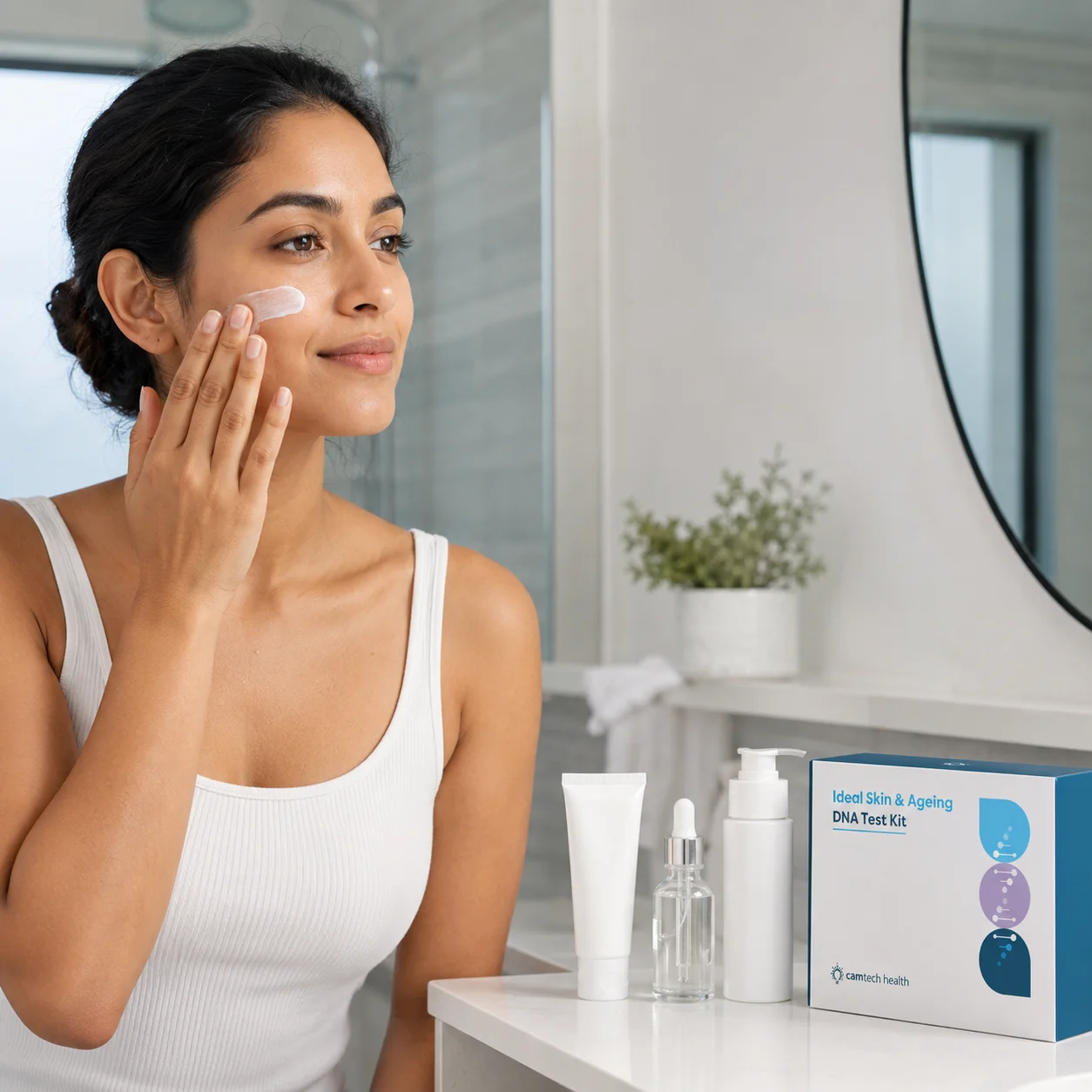
Skincare often becomes reactive. A person waits for pigmentation, fine lines, sensitivity or dryness to appear, then tries product after product hoping one will work.
But skin ageing and sensitivity are influenced by both external and internal factors. UV exposure, pollution, sleep, stress and nutrition all matter. So do biological predispositions.
The Camtech Health IDEAL Skin & Ageing DNA Test analyses traits related to skin type, dermal sensitivities, overall longevity and skin ageing. These insights may help users better understand areas such as:
- Collagen protection
- UV sensitivity
- Antioxidant capacity
- Dermal sensitivity
- Glycation risk
- Skin barrier support
Sun protection remains important for everyone. The NHS advises using shade, clothing and sunscreen with at least SPF 30 to protect against UV damage, while also noting that UV tanning equipment is linked to premature skin ageing and other risks.
Personalised skincare does not mean abandoning the basics. It means knowing which basics may deserve extra attention for your skin profile.
Camtech’s article on The Science of Genetics in Personalized Skin Wellness explains how genetic insights may support more informed skincare routines, especially for concerns such as collagen maintenance, photoageing and dermal sensitivities.
Why Your Neighbour’s Plan May Be Wrong for You
It can be tempting to copy what works for someone else, especially when they look healthier, fitter or more energetic. But without understanding the wider picture, that approach can backfire.
A neighbour’s diet may suit their metabolic profile, but leave you feeling sluggish. Their intense workout schedule may build their endurance, but increase your risk of overtraining. Their active skincare ingredients may brighten their complexion, but irritate your barrier.
This is not failure. It is a mismatch.
A personalised health map helps you ask better questions:
- Does this diet support my likely nutrient and macronutrient needs?
- Is this workout style aligned with my fitness tendencies and recovery capacity?
- Is this skincare routine suitable for my skin’s sensitivity and ageing profile?
- Am I choosing habits because they are popular, or because they make sense for my body?
How Camtech Health Supports Personalised Wellness
Camtech Health focuses on accessible, science-based health insights through at-home testing and digital health tools. Its wellness DNA tests are designed to help users better understand their genetic predispositions and translate those insights into lifestyle awareness.
Relevant options include:
- IDEAL Fitness & Nutrition DNA Test for metabolism, nutrient, body composition and fitness-related traits
- IDEAL Skin & Ageing DNA Test for skin type, dermal sensitivities, skin ageing and longevity-related traits
- DNA Wellness Tests category for users exploring broader wellness testing options
These tests use a simple saliva sample and provide reports through the Camtech Health App or platform, depending on the product and region. Product availability may vary by market.
The Future of Wellness Is Personal, Not Perfect
A personalised health map does not promise instant transformation. It does not replace consistency, balanced nutrition, regular physical activity, sun protection, sleep or medical care.
What it does offer is direction.
Instead of guessing whether your body needs fewer carbohydrates, more strength training, gentler skincare or stronger collagen support, you can begin with data. That data can help you make more informed decisions, avoid unnecessary trial and error and build a routine that feels more realistic for your body.
The end of “one-size-fits-all” is not about making wellness complicated. It is about making it more human.
Your body has its own map. The more clearly you understand it, the better equipped you are to care for it.
Frequently Asked Questions
What is a personalised health map?
A personalised health map is a wellness guide based on individual data, such as genetic predispositions, lifestyle patterns and health goals. It helps users make more informed decisions about nutrition, fitness and skincare instead of relying only on generic advice.
Can DNA testing tell me the perfect diet for my body?
No DNA test can provide a perfect diet or guarantee specific results. However, genetic wellness testing may offer useful insights into areas such as fat metabolism, carbohydrate sensitivity, nutrient utilisation and caffeine response. These insights can support more informed lifestyle choices.
How can genetic testing support my fitness routine?
Genetic wellness testing may help identify predispositions related to endurance potential, power response, lean body mass potential and recovery. This can help users discuss more personalised training strategies with a qualified fitness or healthcare professional.
Can a skin DNA test prevent ageing?
No test can stop or prevent ageing. However, a skin and ageing DNA test may help users understand genetic tendencies related to collagen maintenance, UV sensitivity, antioxidant capacity and dermal sensitivity. This can support earlier and more targeted skincare decisions.
Are Camtech Health DNA tests diagnostic?
No. Camtech Health wellness DNA tests are intended to provide general wellness and lifestyle insights. They are not designed to diagnose, treat, cure or prevent disease. Users should consult a qualified healthcare professional for medical concerns.
References
- World Health Organization: Healthy diet fact sheet.
- World Health Organization: Physical activity fact sheet.
- NHS: Sunscreen and sun safety.
- Noone J. et al. “Understanding the variation in exercise responses to guide personalized physical activity prescriptions.” Cell Metabolism, 2024.
- Aljasir S. et al. “Nutrigenomics-guided lifestyle intervention programmes: A critical scoping review with directions for future research.” Clinical Nutrition ESPEN, 2024.
Medical Disclaimer
This article is for educational and informational purposes only and does not constitute medical advice, diagnosis or treatment. Genetic wellness tests are not diagnostic tools and should not be used to assess, detect, diagnose, manage or treat any disease or medical condition. Always consult a qualified healthcare professional before making significant changes to your diet, exercise routine, skincare regimen or health management plan.