
Polygenic Risk Scores Explained: Turning Risk Into Action
By Stuart Chan
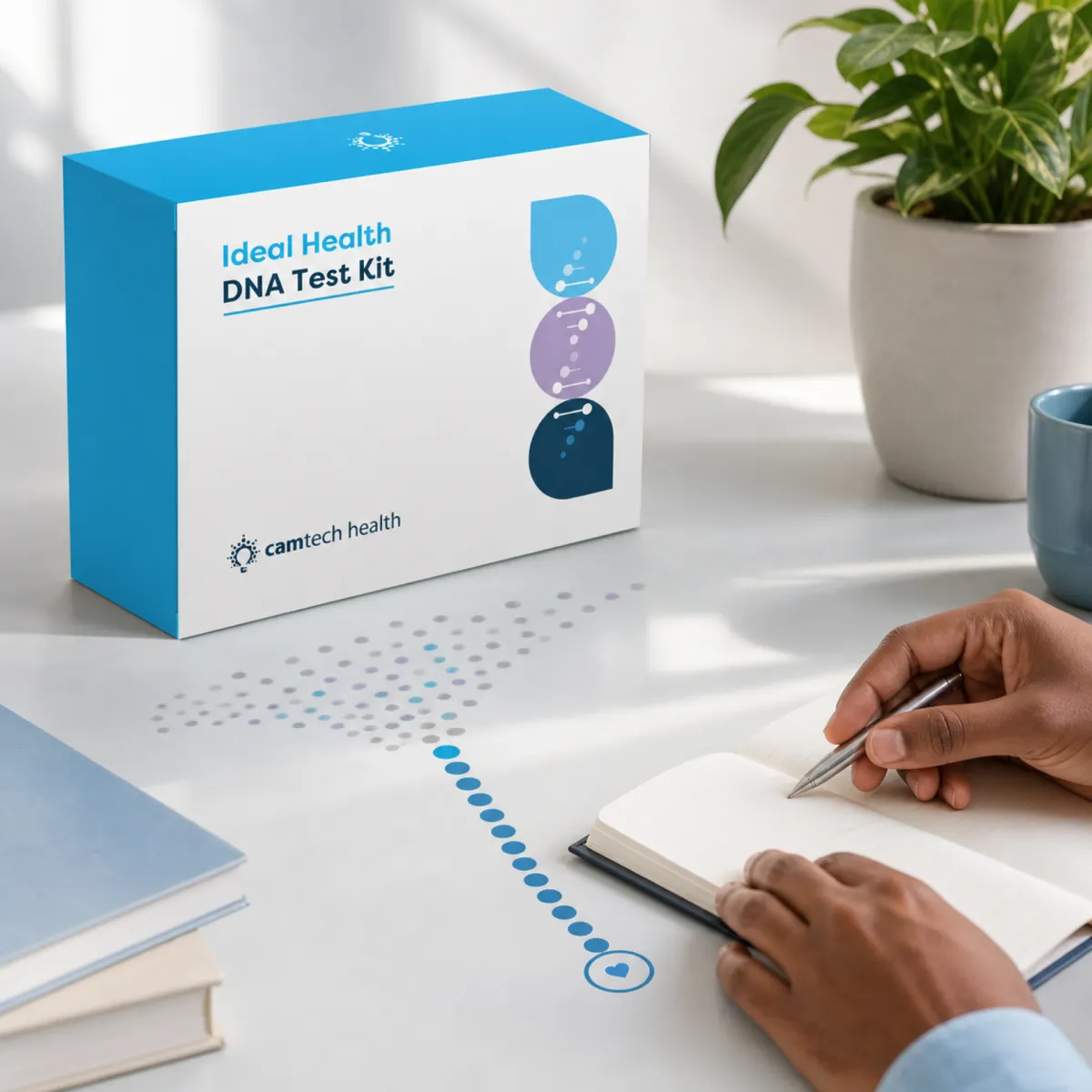
If a report gives you a polygenic risk score, it can be tempting to treat the number as a verdict. A polygenic risk score is a statistical estimate built from many small genetic differences. It may suggest a higher or lower inherited predisposition compared with a reference group, but it cannot tell you with certainty whether you will develop a condition.
Used carefully, this information can support better questions, more informed conversations and sensible preventive habits. It should sit alongside family history, lifestyle, current health and professional advice, not replace them.
What is a polygenic risk score?
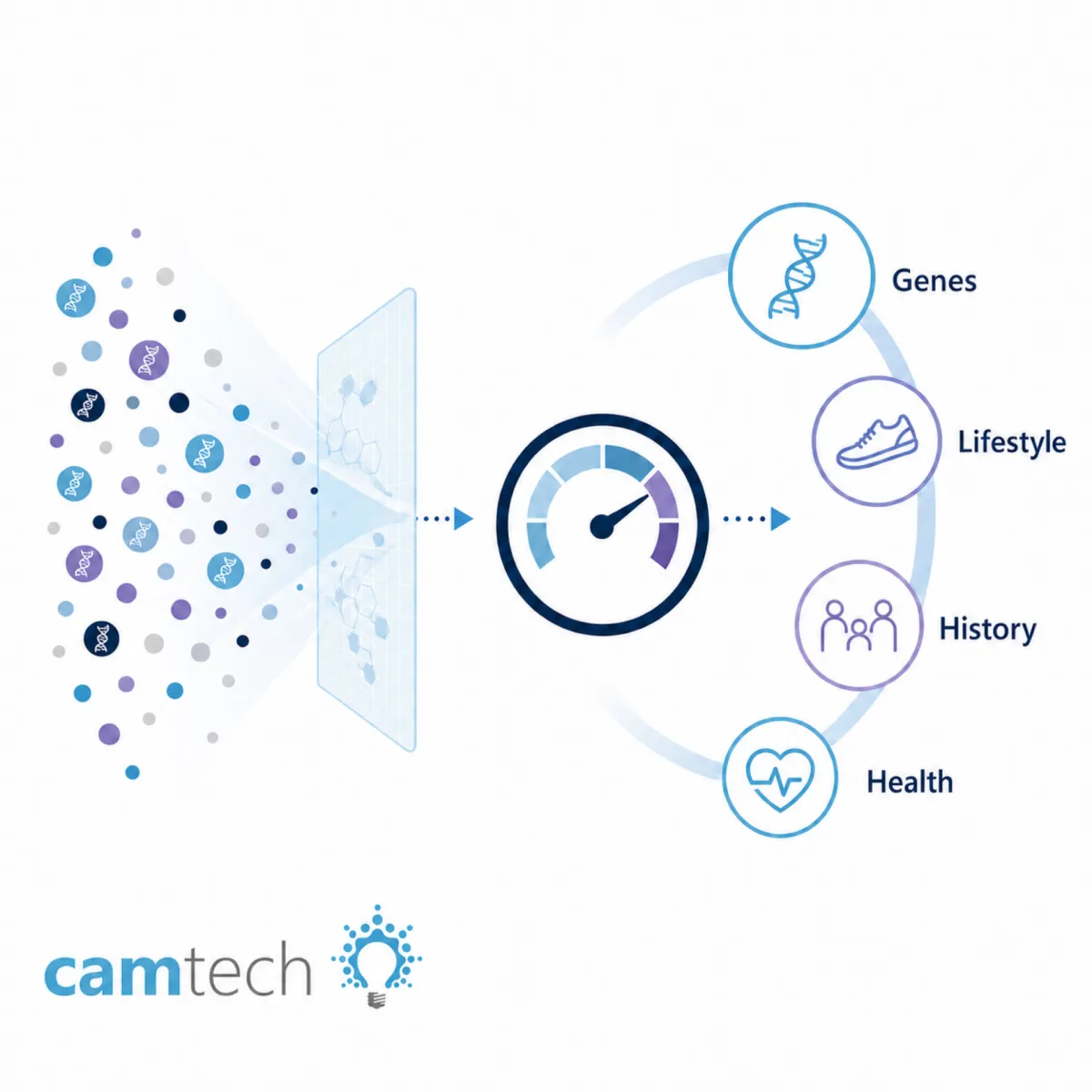
Many common conditions are influenced by numerous genetic variants rather than one single gene. Each variant may have only a small association with risk. A polygenic risk score, often shortened to PRS, combines the weighted effects of many variants into one statistical value.
The US National Human Genome Research Institute definition of a polygenic risk score makes an important limitation clear: the calculation uses genomic information and does not, by itself, include environmental or other factors. It is therefore one part of a broader risk picture.
Think of a PRS as a weather forecast rather than a diagnosis. A forecast can indicate that rain is more likely, but it cannot tell you exactly what will happen at your address. In the same way, a polygenic score estimates relative inherited risk. It does not determine an individual’s future.
How a polygenic risk score is calculated
Researchers first use large population studies to identify genetic variants associated with a condition or trait. Each relevant variant is assigned a statistical weight based on the strength and direction of its association. A person’s variants are then combined to produce a score, which is usually interpreted relative to a reference population.
This process has three practical consequences:
- A score is comparative. Terms such as “higher” or “lower” risk need a stated reference group.
- Different models may use different variants, statistical methods and study populations.
- A percentile or category is not the same as an absolute probability of developing a condition.
The US Centers for Disease Control and Prevention overview of genetic disorders and polygenic risk scores notes that effects can vary between studies and that scores developed in one population may not work as well in another. This is why ancestry, study diversity and model validation matter.
What a score can and cannot tell you

A polygenic score may help organise inherited-risk information, but its value depends on the condition, the quality of the underlying research and how well the model fits the person being assessed.
| Information source | What it can add | What it cannot establish alone |
|---|---|---|
| Polygenic risk score | A statistical estimate based on many genetic variants | A diagnosis or certain prediction |
| Family history | Patterns of health conditions across relatives and shared environments | A complete account of inherited risk |
| Lifestyle and environment | Modifiable exposures and habits that may influence health | The full biological explanation for an outcome |
| Clinical assessment | Symptoms, examination, measurements and appropriate tests | A permanent prediction of every future health outcome |
A high score does not mean that disease is inevitable. A low score does not mean that risk is absent. It is also possible for a person to have a rare, higher-impact genetic variant that a particular PRS does not assess. Any concerning symptoms still deserve appropriate clinical attention, regardless of a wellness report or risk category.
Why ancestry and reference populations matter

Polygenic scores learn from the datasets used to build them. If those datasets do not adequately represent a person’s ancestral background, the estimate may be less transferable or less precise. The Centers for Disease Control and Prevention (CDC) highlight this as an important issue for routine use, while reporting guidance supported by the National Institutes of Health (NIH) emphasises transparency about study populations, methods and limitations.
This does not mean that genetic risk information is useless. It means the context should be visible. Before acting on a score, useful questions include:
- Which population or populations were used to develop and validate the model?
- Is the result a relative score, a percentile or an absolute risk estimate?
- Which condition or trait does it relate to, and over what time period?
- What non-genetic factors could change the practical interpretation?
- Is clinical confirmation or professional counselling appropriate?
Camtech Health describes its IDEAL Health DNA Test as providing ethnicity-based insights across health and wellness traits, including genetic risk scores. The product page also states that the test is for general wellness and lifestyle insight and is not intended to assess, detect, diagnose, manage or treat disease. You should review the exact report language and regional terms that apply to you.
From a risk score to sensible action

The most useful response to a risk score is usually not alarm or complacency. It is a structured review of what the score means and what can reasonably be changed.
- Check the label. Identify the condition or trait, the reference group, the scale and any stated limitations.
- Add personal context. Consider age, family history, existing diagnoses, medicines, lifestyle and current clinical measurements.
- Separate wellness from diagnosis. A consumer wellness report may support awareness, but it does not confirm that a condition is present or absent.
- Choose proportionate next steps. Continue evidence-based habits, keep up with locally recommended screening and discuss material concerns with a qualified healthcare professional.
- Avoid drastic self-directed changes. Do not start or stop medication, supplements, screening or treatment solely because of a polygenic score.
The NHS guide to genetic and genomic testing explains that genetic results can have uncertain meanings and may affect family members. It also describes the role of genetic counsellors in helping people understand possible results, benefits and risks. Local pathways and availability vary, so you should follow guidance in your own country or region.
Questions to ask before relying on a result
A clear report should help the reader understand what was measured and how to respond. Before treating a score as decision-ready, ask:
- Is the score linked to a clearly defined condition or trait?
- Does the report explain the comparison population and uncertainty?
- Has the model been validated in people with a similar background?
- Does the report distinguish relative risk from absolute risk?
- Are the suggested actions supported by established health guidance?
- Is there a route to professional interpretation if the result is concerning or confusing?
The National Human Genome Research Institute’s discussion of standards for reporting polygenic risk scores reflects why these details matter: transparent methods and limitations make scores easier to evaluate and compare.
The bottom line
Polygenic risk scores translate many small genetic associations into a summary estimate. They may help people understand inherited predisposition, but they are not a verdict, a diagnosis or a substitute for screening and clinical care.
The best use of a score is to place it in context. Combine it with family history, lifestyle, current health information and local professional guidance. Then focus on practical actions that are appropriate even when the future remains uncertain: attend recommended screening, seek help for symptoms, maintain sustainable health habits and ask informed questions about any result that could influence care.
References
- National Human Genome Research Institute. Polygenic Risk Score (PRS).
- US Centers for Disease Control and Prevention. Genetic Disorders: Genomics and Your Health.
- NHS. Genetic and genomic testing.
- National Human Genome Research Institute. NIH researchers develop guidelines for reporting polygenic risk scores.
- Camtech Health. IDEAL Health DNA Test.
Important information
This article provides general educational information only. It does not replace personalised advice, diagnosis or treatment from a qualified healthcare professional. Genetic risk information should be interpreted in the context of family history, lifestyle, clinical findings and applicable local guidance. Seek prompt medical care for worrying symptoms or urgent health concerns, regardless of any genetic or wellness result.
Visuals are assisted by artificial intelligence (AI)
Frequently Asked Questions
Does a high polygenic risk score mean I will develop the condition?
No. It indicates a statistical predisposition relative to a reference group. Lifestyle, environment, age, family history and other biological factors also influence outcomes.
Does a low score mean I can skip screening?
No. A low score does not remove all risk and may not capture every relevant genetic factor. Continue screening and check-ups recommended for your age, history and region.
Can I use a polygenic score to change medication or supplements?
Do not make medication or supplement changes based only on a score. Discuss the result with a qualified healthcare professional who can consider your full clinical context.
Why might the same person receive different scores from different providers?
Models may use different variants, statistical weights, reference populations and reporting scales. Differences do not automatically mean that one result is wrong, but they do mean the methods and limitations should be compared carefully.
Should I speak to a genetic counsellor?
Professional support may be helpful if a result is concerning, difficult to interpret, relevant to family members or likely to influence clinical decisions. Availability and referral pathways vary by region.