
Science-Backed Safety: Trusting Your DNA Data with Camtech Health
By Stuart Chan
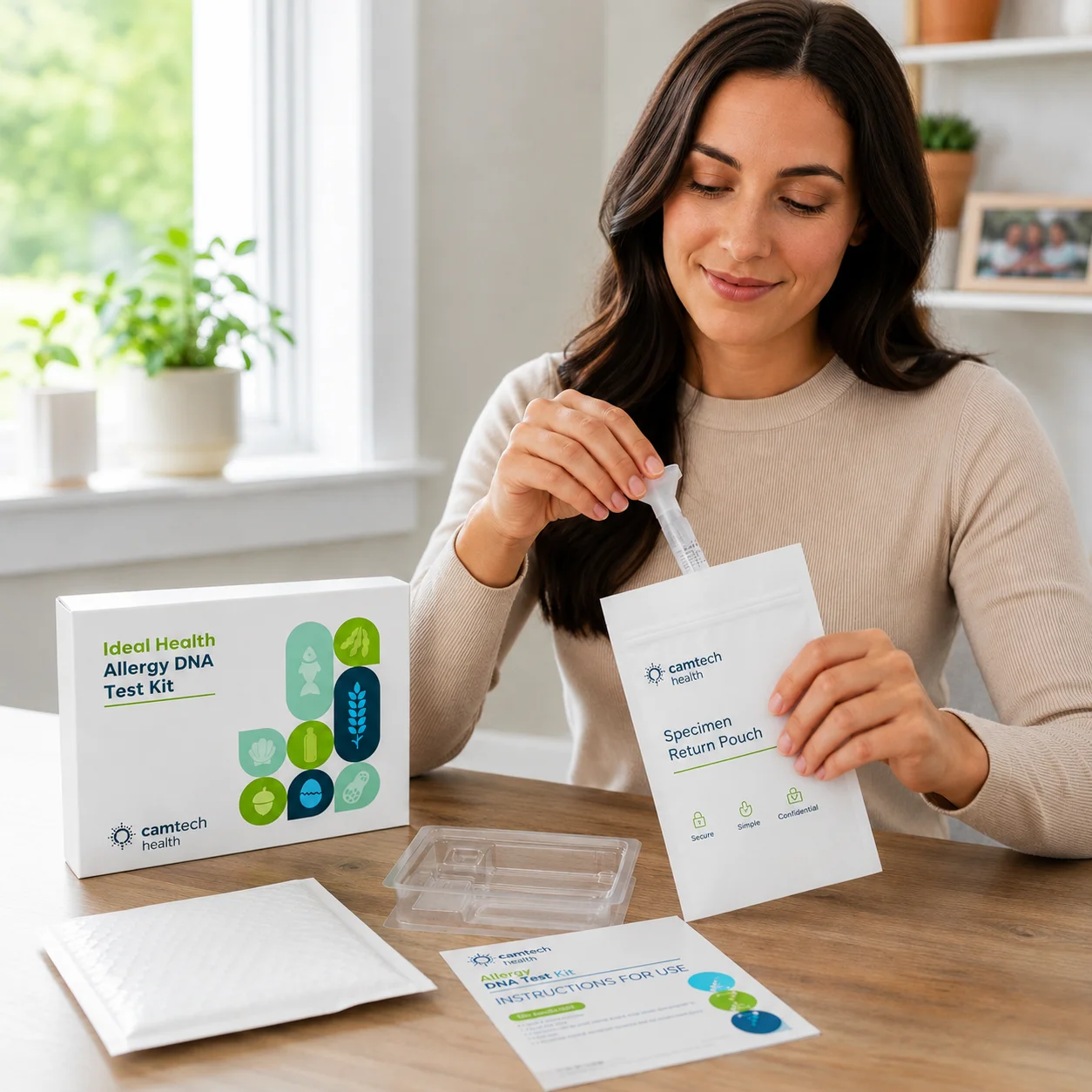
Genetic testing can feel both exciting and deeply personal. On one hand, your DNA may offer helpful insights into how your body is predisposed to respond to certain foods, plants, airborne triggers, and chemical allergens. On the other hand, DNA data is not just another health metric. It is uniquely yours.
That is why DNA data safety matters.
With the IDEAL Allergy DNA Test, Camtech Health aims to make at-home genetic wellness testing accessible, practical, and responsible. The test uses a pain-free saliva sample and screens for genetic variations that may affect your potential risk of being allergic to food, plant, airborne, and chemical allergens. Results are delivered through the Camtech Health App after sample processing.
But a reliable DNA testing journey is not only about what the report shows. It is also about how the sample is collected, how the data is handled, who is involved in reviewing the process, and how privacy is protected.
Why DNA Data Requires Extra Care
Your genetic information is different from many other types of personal data. A phone number can be changed. A password can be reset. Your DNA cannot.
The National Human Genome Research Institute notes that genomic information deserves strong privacy protection because it may be used in research, clinical settings, and wider society. It also highlights that DNA is highly identifying because, except for identical twins, each person’s DNA sequence is unique.
This is why responsible genetic testing should be built around three core principles:
- Scientific validity, so results are based on meaningful genetic markers.
- Clear limitations, so users understand what a DNA test can and cannot tell them.
- Data protection, so personal and genetic data are handled securely and transparently.
Camtech Health’s approach to the IDEAL Allergy DNA Test fits within this responsible testing framework by positioning the test as a wellness insight tool, not a diagnostic replacement.
What the IDEAL Allergy DNA Test Is Designed to Do
The IDEAL Allergy DNA Test is an at-home saliva-based DNA test for people who want to be proactive about their health and better understand their potential risks around environmental and lifestyle-related allergens. Camtech Health states that the test screens genetic variations associated with potential sensitivity to food, plant, airborne, and chemical allergens.
The process is designed to be simple:
- Order the DNA test through the Camtech Health App or website.
- Complete a short online medical assessment form, reviewed by a physician.
- Receive the self-sampling saliva collection kit.
- Collect the sample by following the kit instructions.
- Return the sample within the stated window.
- Receive results through the Camtech Health App in about 3 to 4 weeks.
This workflow matters because it places the user experience within a structured process, rather than treating DNA testing as a casual, unregulated curiosity.
For readers who want more background on how genetic testing supports wellness insights, Camtech’s article on The Evolution of Wellness: Insights into One’s Genetic Blueprint explains how DNA testing can complement, but not replace, clinical allergy testing.
DNA Testing Is Not a Diagnosis
A key part of responsible genetic testing is being clear about limitations.
The IDEAL Allergy DNA Test is designed to identify genetic predispositions, not diagnose an active allergy. This distinction is important.
A clinical allergy diagnosis may involve medical history, physical examination, IgE blood tests, skin-prick testing, oral food challenges, or other assessments guided by a healthcare professional. A DNA wellness test does not measure your current immune reaction to a specific allergen.
Camtech Health’s product page clearly states that the test cannot be used to assess the risk of disease or conditions, or to detect, diagnose, manage, or treat any medical disease or condition. It also states that results should not be regarded as medical information or medical advice.
In other words, the test can support awareness and lifestyle planning, but it should not be used to self-diagnose or self-treat symptoms.
For a related reader journey, see Camtech’s allergy-focused article, Decoding Your Body: How the Ideal Allergy DNA Test Unlocks a Healthier You, which explains the difference between genetic predisposition and active allergy diagnosis.
Why Scientific Context Matters
Allergies and sensitivities are influenced by many factors. Genetics may play a role, but so can environment, immune history, age, diet, pollution exposure, infections, skin barrier function, and lifestyle.
Recent research continues to explore the genetic and epigenetic factors associated with food allergy. A 2024 review in Allergy discussed genome-wide association studies and identified multiple genetic variants associated with food allergy research, while also showing that this remains an evolving field.
That is why a good DNA wellness report should be seen as a starting point for better questions, not a final answer to every health concern.
For example, if your report suggests a predisposition related to certain food or environmental triggers, that does not mean you must remove every possible trigger from your life. Instead, it may help you:
- Observe patterns more thoughtfully.
- Discuss symptoms with a doctor if needed.
- Make practical environmental adjustments.
- Support long-term wellness planning.
- Avoid unnecessary guesswork.
This is where Camtech Health’s digital-first approach can be useful. By delivering insights through the Camtech Health App, users can review results in a structured way and use them as part of a broader health conversation.
The “Safe Hands” Approach: Physician Review and Laboratory Processing
Trust in DNA testing depends on the people and systems behind the report.
According to the IDEAL Allergy DNA Test process, users complete a short online medical assessment form that is reviewed by a physician before proceeding. This adds a layer of professional oversight to the customer journey and helps position the test within a more responsible wellness framework.

Camtech’s wider DNA testing content also describes secure laboratory processing and the use of an accredited laboratory for genetic analysis. Any final claims about laboratory licensing and accreditation should only be published where those details are confirmed and approved internally.
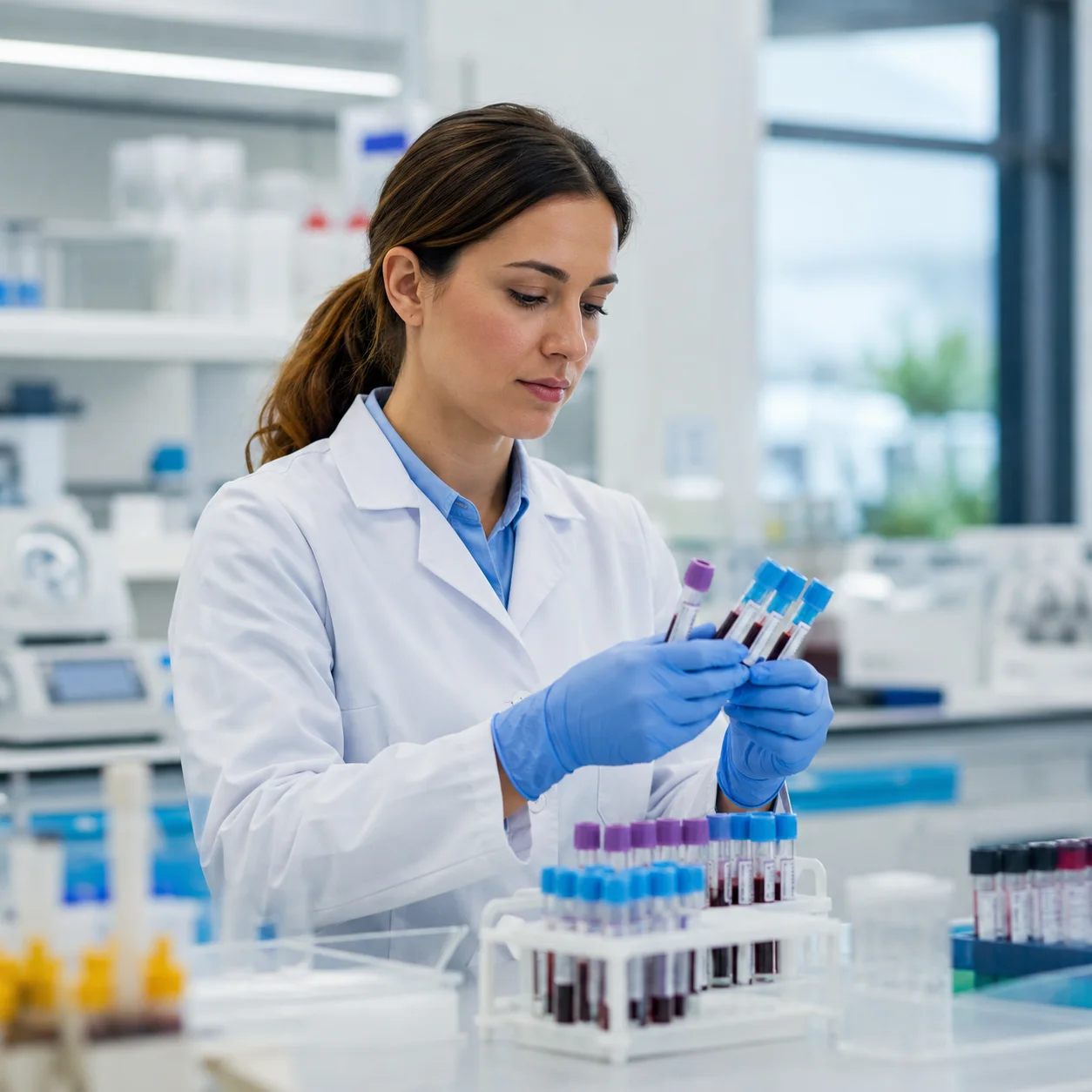
This matters because consumers increasingly want to know:
- Who reviews the testing process?
- Where is the sample processed?
- What standards does the laboratory follow?
- How are results delivered?
- How is personal data protected?
A transparent answer to these questions builds credibility and supports E-E-A-T: Experience, Expertise, Authoritativeness, and Trustworthiness.
Protecting DNA Data Under Singapore’s PDPA
For users in Singapore and the wider region, personal data protection is a major concern.
Singapore’s Personal Data Protection Commission explains that the Personal Data Protection Act, or PDPA, recognises both the need to protect individuals’ personal data and the need for organisations to collect, use, or disclose personal data for legitimate purposes.
The Singapore Statutes Online version of the PDPA states that the Act governs the collection, use, and disclosure of personal data by organisations.
For a DNA testing company, this means data protection should not be treated as an afterthought. It should be designed into the entire testing journey, from account creation and sample registration to report delivery and long-term data handling.
Good privacy practice should include:
- Collecting only data that is necessary for the testing purpose.
- Explaining how personal and genetic data are used.
- Using secure systems to store and transmit information.
- Limiting access to authorised personnel.
- Protecting reports through secure app access.
- Avoiding unnecessary sharing of identifiable genetic information.
- Giving users clear information about consent and data handling.
The World Health Organization’s 2024 principles for human genomic data also emphasise informed consent, privacy, transparency, responsible governance, and protection against misuse. These principles are especially relevant as genetic testing becomes more accessible through digital health platforms.
Why Encryption and Secure Digital Access Matter
A DNA report is sensitive. It should not be treated like an ordinary PDF sitting in an unsecured inbox.
Camtech Health’s app-based delivery model helps support a more secure user experience by keeping results within a structured digital platform. Camtech’s existing DNA testing content states that reports are uploaded to the secure Camtech Health App and that users are notified when results are ready.
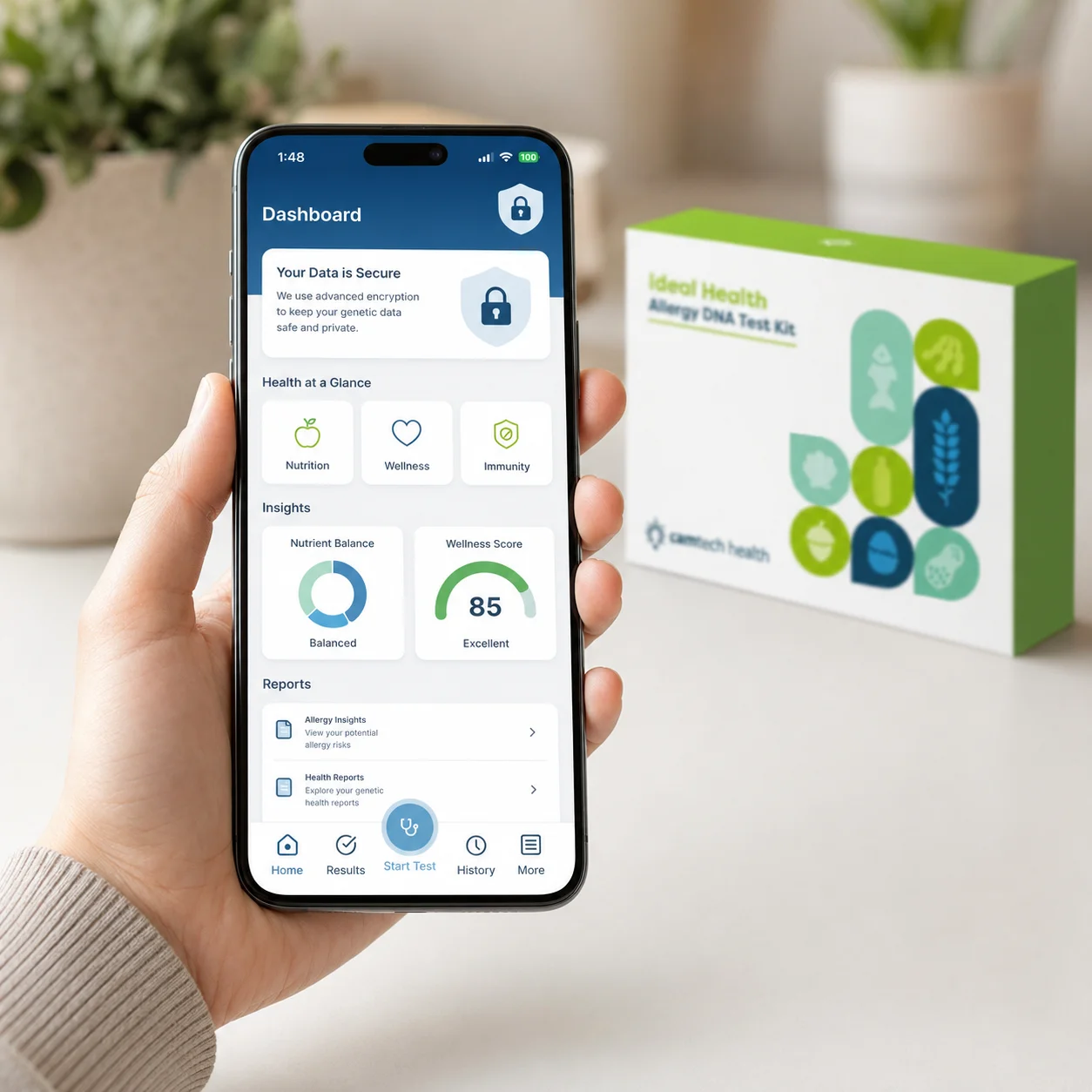
In a responsible digital health environment, encryption and secure access controls are important because they help reduce the risk of unauthorised access during data storage and transmission.
For users, this means the ideal DNA testing experience should feel simple, but not casual. Behind the scenes, strong privacy and security practices should support every step.
Building Trust Through Transparency
A trustworthy DNA testing brand should never overpromise.
The IDEAL Allergy DNA Test is not positioned as a cure, diagnosis, or treatment plan. It is a wellness tool that may help users understand genetic predispositions and make more informed lifestyle decisions.
That transparency is important. When a company explains what a test can do and what it cannot do, users are more likely to interpret results safely and responsibly.
Camtech Health’s broader content on Understanding the Impact of Genetic Diversity on Wellness also supports this trust-building approach by explaining why genetic background and diverse data matter when interpreting wellness traits.
What Users Should Look For Before Taking a DNA Test
Before choosing an at-home DNA test, users should ask practical questions:
1. Is the test clear about its purpose?
A wellness DNA test should explain that it identifies predispositions, not active disease.
2. Is there professional oversight?
A physician-reviewed assessment process helps support responsible use.
3. Is the sample collection process simple and standardised?
Clear saliva collection instructions reduce the risk of user error.
4. Are results delivered securely?
Digital delivery should use secure access and privacy safeguards.
5. Does the company explain data protection?
Users should understand how their personal and genetic data are collected, used, stored, and protected.
Final Thoughts: Trust Is Part of the Test
DNA testing is not only about technology. It is about trust.
With the IDEAL Allergy DNA Test, Camtech Health offers a convenient way to explore genetic predispositions related to food, plant, airborne, and chemical allergens. The value lies not in replacing medical care, but in helping users become more informed about their own biology.
Science-backed safety means more than laboratory analysis. It means physician-reviewed workflows, responsible communication, secure digital access, privacy-conscious data handling, and honest limits.
When your DNA is involved, these safeguards are not optional. They are the foundation of a responsible wellness journey.
Frequently Asked Questions
1. Is the IDEAL Allergy DNA Test a diagnostic allergy test?
No. The IDEAL Allergy DNA Test is designed to identify genetic predispositions related to potential allergen sensitivity. It does not diagnose active allergies or replace clinical allergy testing by a healthcare professional.
2. How does Camtech Health protect DNA data?
Camtech Health uses a digital testing journey that includes app-based result access and privacy-conscious data handling. For Singapore users, personal data practices should align with PDPA requirements around collection, use, disclosure, and protection of personal data.
3. Why does DNA data need stronger privacy protection?
DNA data is highly personal and uniquely identifying. Unlike passwords or contact details, it cannot be changed. This is why genomic data should be handled with strong privacy, consent, transparency, and security safeguards.
4. What can the IDEAL Allergy DNA Test tell me?
The test screens for genetic variations that may affect your potential risk of being allergic to food, plant, airborne, and chemical allergens. It is intended to support wellness awareness and lifestyle planning.
5. Should I speak to a doctor about my results?
Yes, especially if you have symptoms, a history of severe reactions, or concerns about allergies. DNA test results can support informed conversations, but they should not replace medical advice, diagnosis, or treatment.
References
- Camtech Health: IDEAL Allergy DNA Test.
- Singapore Personal Data Protection Commission: Personal Data Protection Act overview.
- World Health Organization: Ethical human genomic data collection and sharing principles, 2024.
- National Human Genome Research Institute: Privacy in Genomics.
- Arnau-Soler A. et al. Food Allergy Genetics and Epigenetics: A Review of Genome-Wide Association Studies. PubMed/PMC.
Medical Disclaimer
This article is for educational and informational purposes only and does not constitute medical advice, diagnosis, or treatment. The IDEAL Allergy DNA Test is intended to provide general wellness and lifestyle insights. It is not intended to diagnose, treat, cure, or prevent any disease or medical condition. Always seek advice from a qualified healthcare professional if you have symptoms, a history of allergic reactions, or questions about your health.
*Visuals assisted by AI.