
Self-Collection and Sample Quality: Key Points to Know
By Stuart Chan
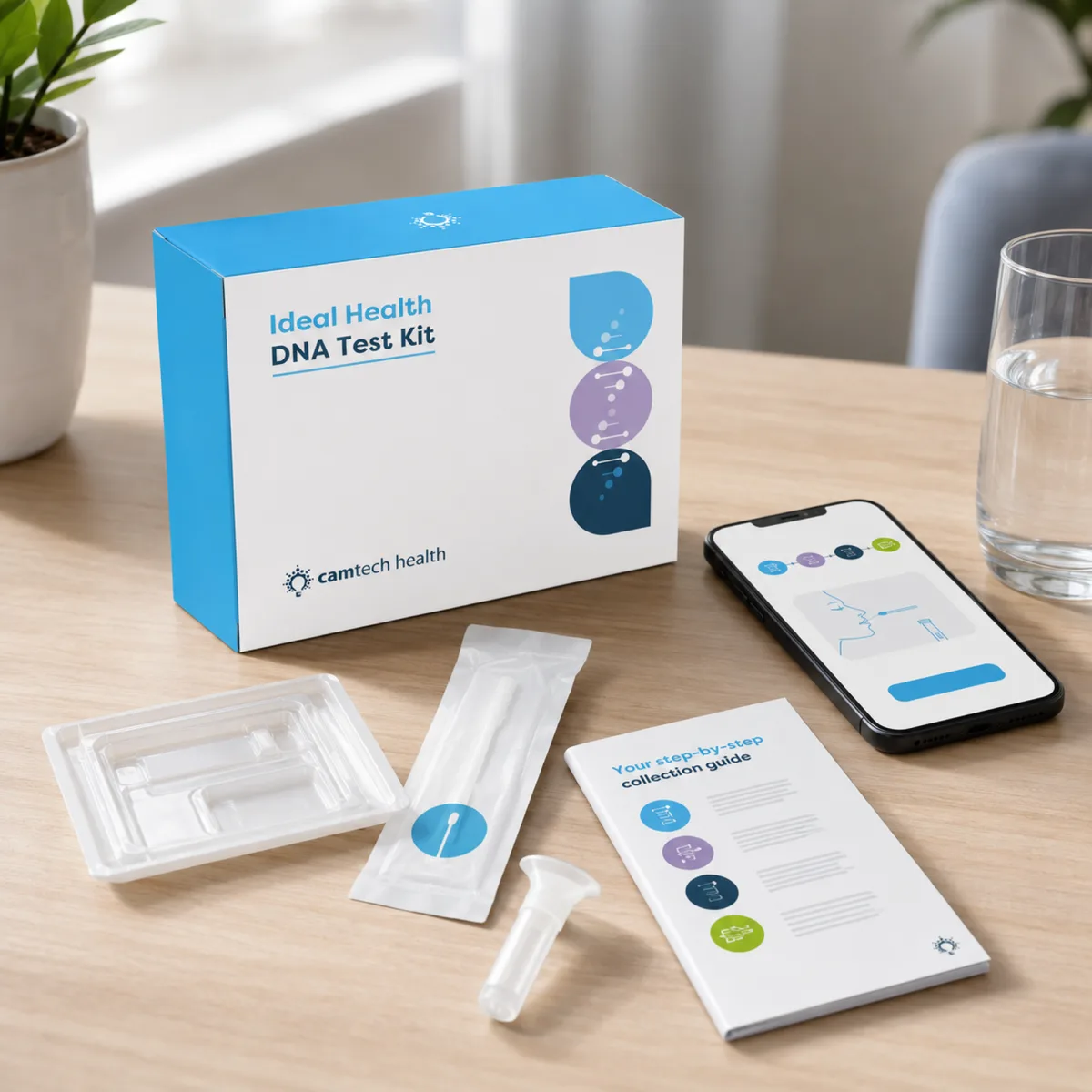
Collecting a sample at home can make testing more private and convenient. But a reliable laboratory result still starts with a suitable sample. Here is what sample quality means and how careful collection helps the laboratory do its work.
You can now collect some saliva, stool or swab samples at home and send them to a laboratory for analysis, rather than always starting with a clinic appointment. This can make preventive health, screening and personal health monitoring easier to fit into everyday life.
This shift is part of a wider movement towards accessible diagnostics and digital health. Camtech Health explores this trend in The Rise of Home Health Testing, where at-home testing is discussed as part of a more connected health journey. For you, the convenience is clear. For laboratories, however, one principle remains unchanged: the quality of the result depends heavily on the quality of the sample.
What does sample quality mean?
Sample quality refers to whether a collected sample is suitable for the test being performed. A good sample is collected using the correct method, placed in the correct container, labelled properly, sealed securely and returned within the required time frame.
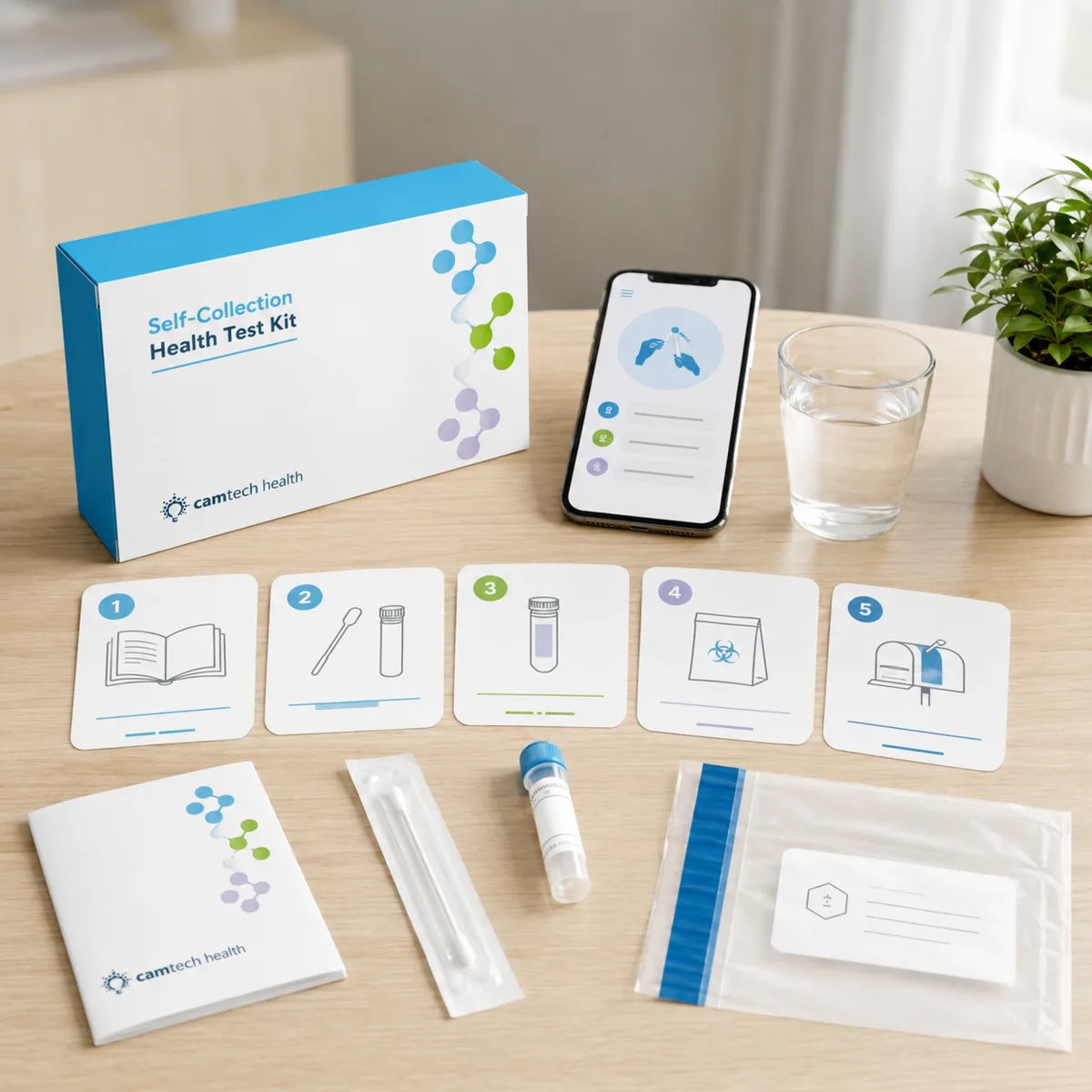
Laboratory medicine often describes this as part of the pre-analytical phase. This means everything that happens before the sample is analysed, including preparation, collection, labelling, transport and storage. The World Health Organization notes that laboratory work is only as good as the quality of the samples used for testing, which is why sample handling matters throughout the testing pathway.
A review in Clinical Biochemistry Reviews also highlights the importance of quality indicators across the pre-analytical phase. In practical terms, home test instructions are not just practical details. They are part of the scientific process.
Key takeaway
A laboratory can only analyse the sample it receives. If the sample is too small, contaminated, incorrectly sealed, delayed, mixed up or collected in the wrong way, the laboratory may be unable to process it, or the result may be less reliable.
Why self-collection sample quality matters in home health testing
Self-collection gives people more control over when and where they collect a sample. It can also reduce barriers linked to travel, time, privacy or discomfort. However, it moves part of the testing process from a clinic or collection centre into the home.
This does not mean you need medical training. It does mean that clear instructions, good kit design and careful handling matter. Whether someone is using a deoxyribonucleic acid (DNA) wellness test, an approved self-test, a screening kit or an app-connected health service, the goal is the same: collect the right biological material in the right way.
Camtech Health's DNA wellness tests and approved tests are part of this broader testing ecosystem. Where local regulations, test types or clinical pathways vary, you should always follow the instructions supplied with the kit and seek advice from a qualified healthcare professional when needed.
The three common self-collection sample types
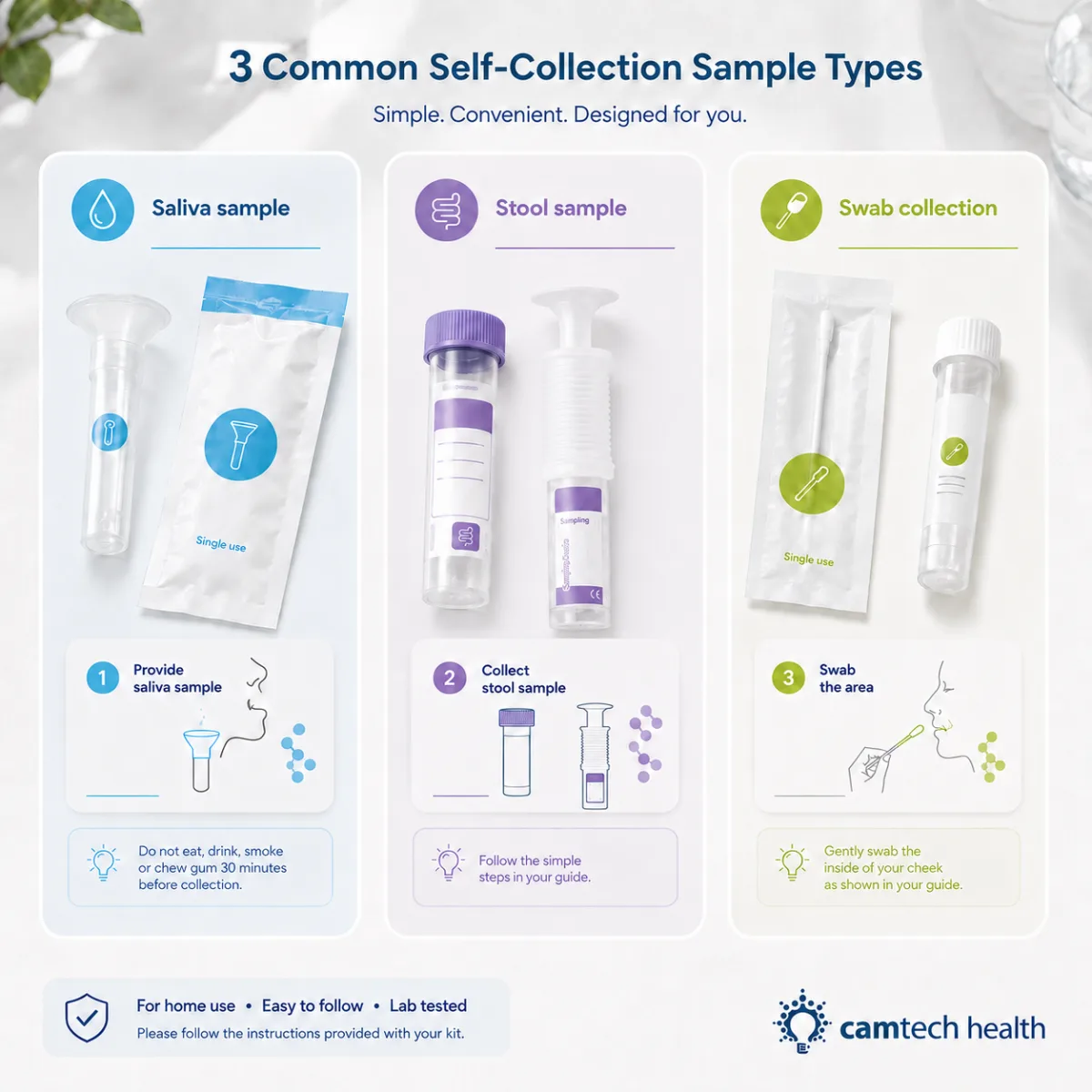
1. Saliva sample quality
Saliva samples are commonly used in some DNA, hormone or biomarker-related testing pathways. A saliva sample may seem simple to collect, but small details can affect suitability. For example, some saliva-based tests ask you not to eat, drink, brush or floss shortly before collection.
MedlinePlus gives this type of preparation advice for certain saliva cortisol tests, including avoiding eating, drinking, brushing or flossing for 30 minutes before collection. The exact preparation depends on the test, so you should always follow the specific instructions supplied with your kit.
2. Stool sample quality
Stool samples are used in several types of gastrointestinal and colorectal screening, including the faecal immunochemical test (FIT). Sample quality can be affected by water contamination, too much sample, too little sample, incorrect sealing or delayed return.
National Health Service (NHS) bowel cancer screening guidance for the FIT kit advises you to write the date on the sample bottle, avoid letting stool touch toilet water, collect only a small amount and close the bottle properly. These steps may seem basic, but they help the laboratory receive a sample that can be processed correctly.
For stool-based home testing, more is not always better. Adding excess sample can sometimes make processing harder. You should follow the collection device markings and kit instructions rather than guessing the right amount.
3. Swab collection quality
Swabs are used in many types of home or clinic-linked testing, including respiratory, vaginal, oral, cheek and other sample types. Swab collection quality depends on using the correct swab, sampling the correct area, rotating or holding the swab as instructed, avoiding unnecessary contact with other surfaces and placing it into the correct tube or container.
In cervical screening, self-collected vaginal samples are now recognised in some clinical guidance as an option for human papillomavirus (HPV) testing in certain groups. The United States National Cancer Institute notes that new guidance considers self-collected vaginal specimens acceptable for primary HPV screening in asymptomatic average-risk individuals, while clinician-collected cervical specimens may still be preferred for people with certain prior abnormalities or surveillance needs. You should follow local screening guidance and discuss individual circumstances with a qualified healthcare professional.
Common reasons a home sample may be rejected or repeated
A repeated sample does not always mean something has gone wrong medically. Often, it means the laboratory could not analyse the specimen because it did not meet the test's acceptance criteria.
Possible sample quality issues include:
- Not enough sample was collected.
- Too much sample was added to the container.
- The sample touched water, food residue, cosmetics or another contaminant.
- The wrong tube, swab or container was used.
- The cap was not closed tightly.
- The label, barcode or activation step was incomplete.
- The sample was returned too late for the test requirements.
- The sample was stored at the wrong temperature.
- The packaging was damaged or leaked during transport.
How digital health tools can support better sample collection
Good self-collection is not only about the physical kit. It is also about the instructions around it. Clear visual guidance, quick response (QR) code activation, reminders and secure result access can reduce confusion during the sample-to-result journey.
The Camtech Health App is designed to help you access reports, health insights and test-related information in a more organised way. Digital support can be especially useful when you need to activate a kit, review instructions, check return steps or access results securely.
For DNA-related home testing, Camtech's guide to at-home genetic DNA testing also explains how self-collected samples can form part of a wider personalised health journey. The key point is that the science does not begin only in the laboratory. It begins when you open the kit and follows the collection steps.
A practical self-collection checklist
The exact steps will vary by test, but these principles apply to many home health testing situations.
- Read the instructions before starting. Do not open tubes, swabs or collection devices until you understand the full process.
- Check timing requirements. Some tests need collection at a certain time of day, after avoiding food or drink, or before starting medication.
- Wash and dry your hands. This reduces the chance of transferring unwanted material to the sample or container.
- Use only the items provided. Do not substitute a household container, tissue, cotton bud or bag.
- Collect the correct amount. Too little or too much can affect whether the sample can be processed.
- Avoid contamination. Keep the sample away from toilet water, food residue, surfaces, cosmetics or other people's samples.
- Seal the container properly. Check that caps, tubes, bags and return packaging are closed according to instructions.
- Complete activation or labelling steps. Make sure the laboratory can connect the sample to the correct order or your account.
- Return the sample promptly. Follow the test provider's shipping, temperature and return instructions.
- Ask for help when unsure. If instructions are unclear, contact the test provider or a qualified healthcare professional before collecting the sample.
Sample quality and lab accuracy are connected
Laboratory accuracy is often discussed in terms of technology, equipment and scientific validation. These are essential, but they are only part of the picture. A highly capable laboratory still needs a suitable sample.
For you, this means careful self-collection is a meaningful part of the testing process. Your actions, the kit design, the instructions, the transport pathway and the laboratory all contribute to the final quality chain.
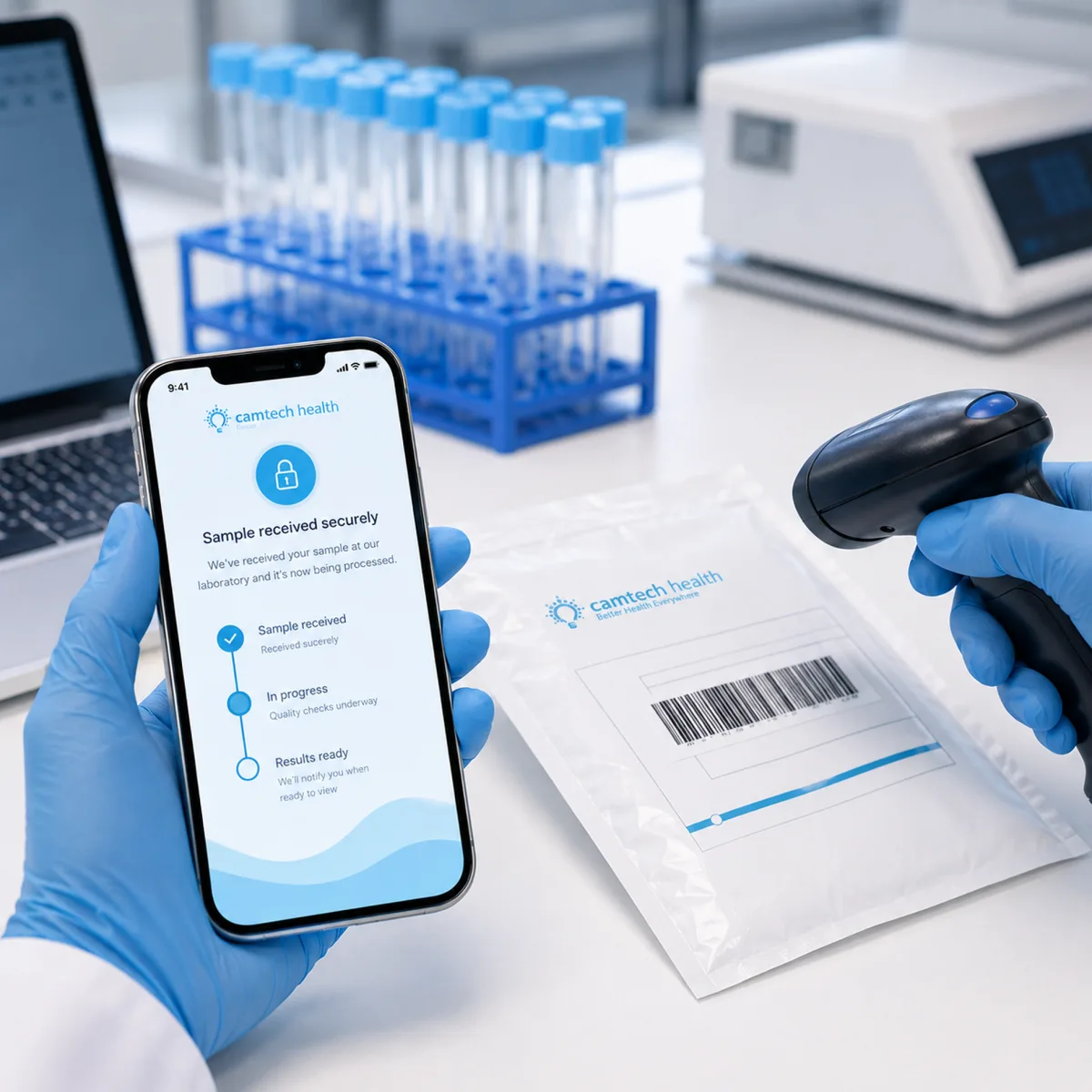
At-home testing should also be understood within its proper limits. A home-collected sample may provide useful health, screening or wellness information depending on the test, but it should not replace professional medical care when symptoms, abnormal results, ongoing concerns or urgent health issues are present.
When should you speak with a healthcare professional?
Speak with a qualified healthcare professional if you have symptoms, receive an abnormal or unclear result, are unsure which test is appropriate, have a history of relevant medical conditions, or need help interpreting what a result means for your health.
You should also follow local healthcare guidance. Screening pathways, test availability and follow-up recommendations vary by country and region.
Final thoughts
Self-collection is one of the most important developments in accessible home health testing. It can make testing more private, convenient and user-friendly. But convenience must be matched with care.
Whether you are collecting a saliva sample, stool sample or swab, sample quality matters because it protects the integrity of the testing process. A few careful minutes at home can help the laboratory do its work more effectively, reduce the chance of repeat collection and support more reliable health insights.
References
- World Health Organization. Content Sheet 5-1: Overview of Sample Management.
- Plebani M. Quality Indicators to Detect Pre-Analytical Errors in Laboratory Testing. Clinical Biochemistry Reviews. 2012.
- MedlinePlus. Cortisol Test. Updated December 2024.
- NHS. NHS bowel cancer screening: FIT kit instructions. Updated June 2025.
- National Cancer Institute. New Guidelines for HPV Testing Using Self Collection. 2025.
Important information
This article is for general educational purposes only and does not replace advice, diagnosis or treatment from a qualified healthcare professional. Home health testing, self-collection kits and laboratory reports should be used according to the instructions provided with each test and in line with local healthcare guidance. If you have symptoms, receive an abnormal result, are unsure how to collect a sample, or need help interpreting a result, speak with a qualified healthcare professional.
*Visuals are assisted by artificial intelligence (AI)
Frequently Asked Questions
Why does self-collection sample quality matter?
Sample quality matters because the laboratory can only analyse the specimen it receives. If the sample is contaminated, too small, incorrectly sealed, delayed or labelled incorrectly, the test may need to be repeated or the result may be less reliable.
Can I still use a sample if I made a small mistake?
It depends on the test and the mistake. Do not guess. Check the kit instructions or contact the test provider before sending the sample, especially if the container was dropped, contaminated, overfilled, underfilled or left out longer than instructed.
Do saliva samples, stool samples and swabs have the same rules?
No. Each sample type has different collection requirements. Saliva tests may have timing or food and drink restrictions. Stool tests may require avoiding toilet water and collecting only a small amount. Swab tests depend on sampling the correct site and placing the swab into the correct tube.
Does a good sample guarantee an accurate result?
No test can guarantee a result. However, good sample quality supports the reliability of the testing process and reduces the chance that the sample cannot be processed. Test accuracy also depends on the test method, laboratory procedures and appropriate interpretation.
When should I speak with a healthcare professional?
Speak with a qualified healthcare professional if you have symptoms, receive an abnormal result, need help choosing a test, are unsure how to collect a sample, or need medical interpretation. Follow local healthcare guidance for screening and follow-up care.