
UV Sensitivity and Skin Ageing: What Your Genes Reveal
By Stuart Chan
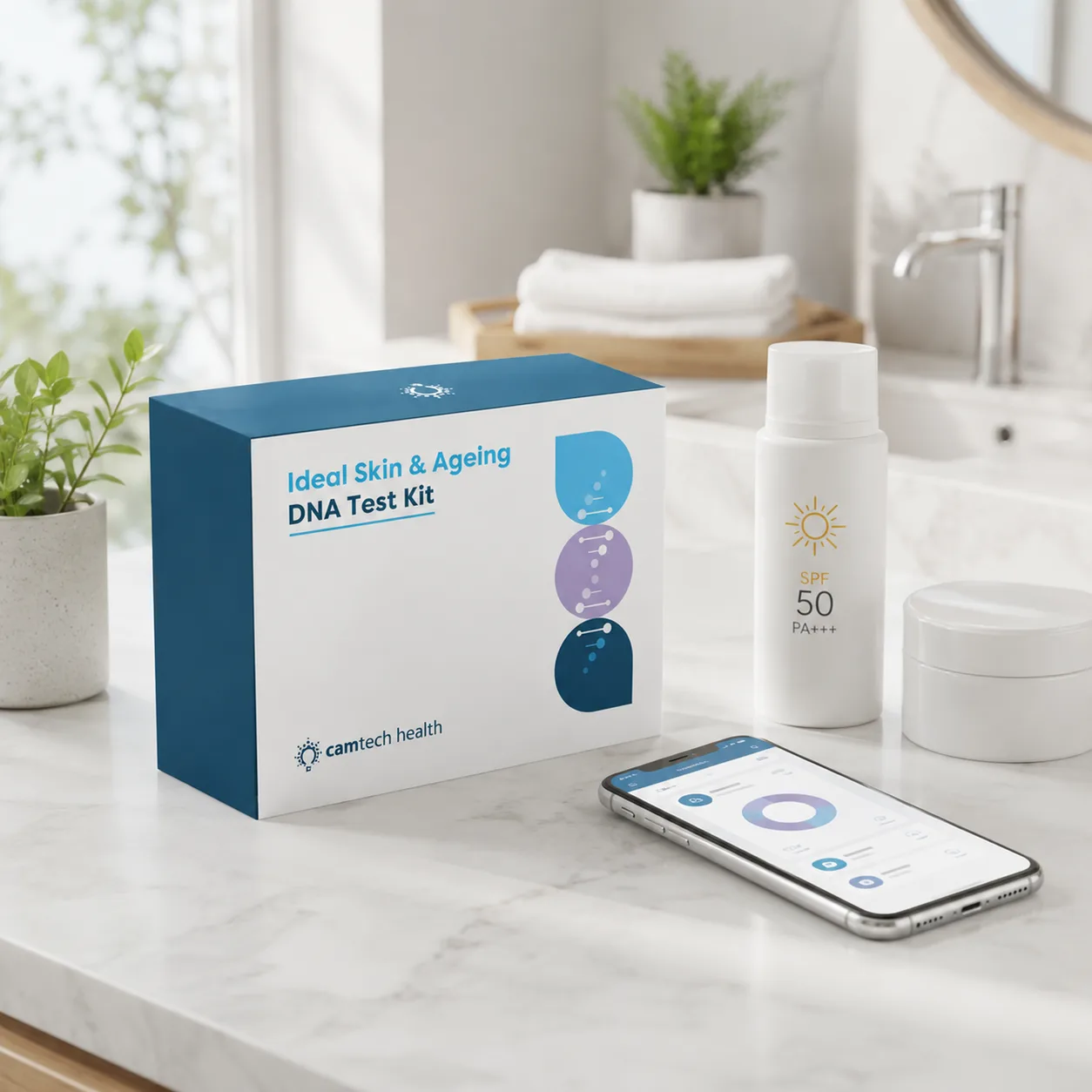
Have you noticed that your skin does not always react to the sun in the same way as someone else’s? You might tan easily, burn quickly or notice pigmentation, fine lines or an uneven tone sooner than expected.
Your skin’s response reflects more than one factor. Lifestyle, environment, skincare habits and cumulative ultraviolet (UV) exposure all play a part, and your genetics may contribute too.
A UV sensitivity DNA (deoxyribonucleic acid) test cannot diagnose a skin condition or tell you exactly how your skin will age. It may help you understand genetic tendencies linked to UV response, collagen maintenance, pigmentation and oxidative stress. You can use those insights to make more informed skincare choices and have a more focused conversation with a qualified skin or healthcare professional.
If you want to explore this in more detail, Camtech Health’s DNA testing approach looks at genetic traits across areas such as skin, nutrition, fitness and ageing. You can learn more from the Camtech Health website and explore the Skin Ageing DNA Test for personalised care.
What is UV sensitivity?

UV sensitivity describes how strongly your skin responds to ultraviolet radiation from the sun or artificial sources such as tanning beds. The World Health Organization explains that UV radiation can affect the skin in both the short and long term, including through DNA damage and lasting skin changes.
Two types of UV radiation are especially relevant to your skin: UVA and UVB.
UVA (ultraviolet A) rays
UVA rays reach deeper layers of the skin and are associated with photoageing—visible changes such as wrinkles, reduced elasticity, uneven tone and pigmentation. You can still be exposed when the weather does not feel hot, so daily protection is useful.
UVB (ultraviolet B) rays
UVB rays are more closely linked with sunburn and direct DNA damage in the outer layers of the skin. They also contribute to long-term skin damage and skin cancer risk.
Both UVA and UVB can affect your skin. The American Academy of Dermatology Association recommends a water-resistant, broad-spectrum sunscreen with SPF (sun protection factor) 30 or higher to help protect against UVA and UVB.
How UV exposure contributes to skin ageing
Skin ageing happens through a mix of intrinsic ageing—the natural process—and extrinsic ageing, which is shaped by external factors. UV exposure is one of the most important external influences.
Research in the International Journal of Molecular Sciences describes how UV exposure can increase oxidative stress in the skin. This happens when unstable molecules called reactive oxygen species build up and damage cell structures. Over time, that can affect collagen and elastin, proteins that help your skin stay firm and flexible.
UV exposure can also influence enzymes called matrix metalloproteinases (MMPs), which help remodel tissue. When these enzymes are overactive, they may contribute to collagen breakdown and visible photoageing. You can read more in research on the matrix-degrading metalloproteinases in photoageing.
Where genetics comes in

Your genes are one part of the picture. A DNA skin test may look at genetic markers associated with pathways such as DNA repair, oxidative-stress response, collagen maintenance and pigmentation tendency.
DNA repair
When UV radiation reaches skin cells, it can damage DNA. Your body has natural repair systems, but genetic variation may influence how some of those processes work. That does not mean you are destined to develop a skin problem; it may simply help explain why UV-related changes can vary from person to person.
Oxidative stress response
Some genetic traits may affect how your body manages oxidative stress. If your results point to a higher tendency, you might choose to be more consistent with sun protection and discuss antioxidant-focused skincare with a qualified professional.
Collagen breakdown and elasticity
Collagen helps give your skin structure and firmness. Camtech Health’s article on the Skin Ageing DNA Test explains how collagen degradation and elasticity fit into the wider picture of skin-ageing genetics.
Pigmentation and photoageing
UV exposure can trigger pigmentation changes. Your tendency towards uneven tone, dark spots or post-inflammatory pigmentation may reflect a mix of genetics, skin tone, hormonal factors and environmental exposure.
What a UV sensitivity DNA test can and cannot tell you
A UV sensitivity DNA test can offer educational insight into your genetic tendencies. It may help you understand whether your skin has traits associated with UV sensitivity, photoageing, pigmentation or collagen-related ageing.
It is important to keep its limits in mind. It cannot:
- Diagnose skin cancer or any other medical condition.
- Tell you exactly how your skin will age.
- Replace sunscreen or protective clothing.
- Replace a skin examination by a qualified healthcare professional.
- Guarantee that a skincare product will work for you.
Your DNA is only one part of the picture. Sun exposure, smoking, sleep, nutrition, stress, skincare habits, skin tone, medical history and local climate can all matter too.
How genetic insights can support personalised skincare
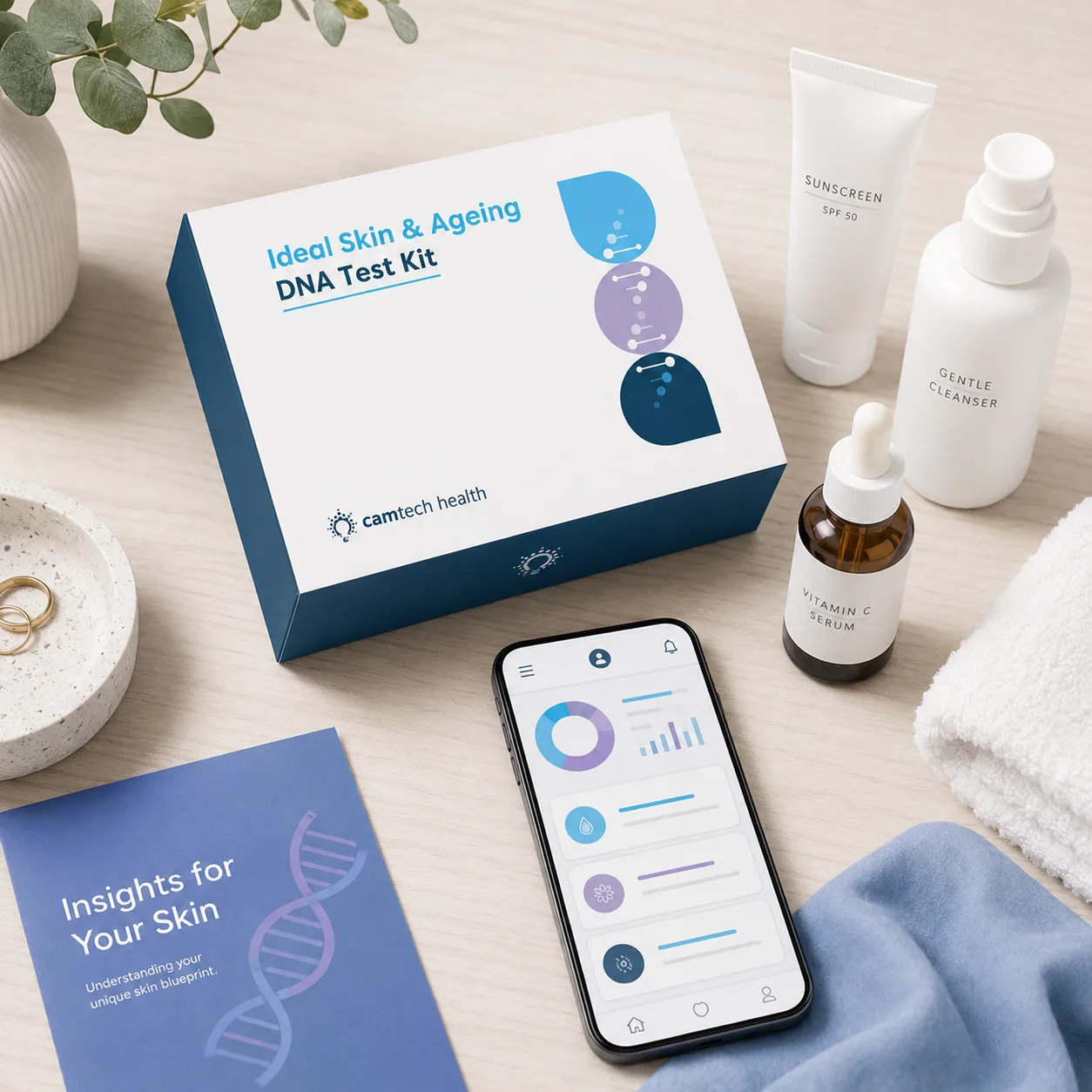
Personalised skincare is not about buying more products. It is about making choices that fit your skin, lifestyle and priorities.
A DNA-based skin report may give you a more structured way to think about those choices.
More consistent sun protection
If your results suggest a higher sensitivity to UV or a greater photoageing tendency, they may reinforce the value of daily broad-spectrum sunscreen, shade, hats, sunglasses and protective clothing.
Earlier focus on collagen protection
If your results point to traits linked to collagen breakdown, you can discuss ingredients such as retinoids, vitamin C or peptides with a dermatologist or qualified skincare professional. They can help you decide what is appropriate for your skin.
Pigmentation-aware skincare
If pigmentation is a concern, protecting your skin from UV exposure and avoiding unnecessary irritation may help. Gentle products, daily SPF and professional guidance can support a more considered routine.
Better conversations with professionals
Your genetic results are a starting point for a better conversation. Bring them together with your skin history, lifestyle and any clinical assessment rather than trying to interpret them in isolation.
Why daily UV protection still matters for everyone
Even if your results do not suggest higher UV sensitivity, daily UV protection still matters. The CDC (the United States Centers for Disease Control and Prevention) notes that UV radiation can affect health, so sun protection remains a practical daily habit.
A simple UV-protection routine may include:
- Use broad-spectrum sunscreen every day.
- Reapply sunscreen when you are outdoors for longer periods, after sweating or after swimming.
- Seek shade when UV levels are high.
- Wear a wide-brimmed hat, sunglasses and protective clothing.
- Avoid intentional tanning and sunbeds.
- Check your skin for new or changing spots, and seek advice about anything that concerns you.
- Follow local guidance on skin checks and sun safety.
How Camtech Health fits into skin DNA testing
Camtech Health’s DNA testing approach gives you a way to explore genetic traits related to skin and lifestyle. The aim is to support personalised insight for general wellness, not to replace medical care.
If you are exploring skin-ageing genetics, Camtech Health’s article on the Skin Ageing DNA Test discusses collagen degradation, UV sensitivity, glycation, inflammation and sensitivity as areas considered in skin-related genetic testing.
The takeaway
Your skin’s response to the sun is personal. UV exposure is an important external influence on skin ageing, while genetics may shape how your skin manages UV-related stress, collagen breakdown and pigmentation.
A UV sensitivity DNA test may help you understand those tendencies, but it is an educational tool—not a diagnosis or a guarantee. The most useful approach is to combine genetic insight with daily sun protection, healthy habits, professional guidance and realistic skincare expectations.
Frequently Asked Questions
What is a UV sensitivity DNA test?
A UV sensitivity DNA test looks at selected genetic markers that may be associated with how your skin responds to UV exposure, oxidative stress, pigmentation and collagen-related ageing. It can offer context about tendencies, but it does not diagnose a medical condition.
Can genetics affect skin ageing?
Yes, your genes can influence traits such as collagen maintenance, pigmentation tendency, antioxidant response and inflammation. Lifestyle and environmental factors—especially UV exposure—also play a major role.
Does a DNA skin test replace sunscreen?
No. A DNA skin test does not replace sunscreen or other sun protection. Whatever your results, use broad-spectrum sunscreen, seek shade and consider hats, sunglasses and protective clothing.
Can a UV sensitivity DNA test tell me if I will get skin cancer?
No. It cannot diagnose or predict skin cancer. If you notice a new, changing, bleeding or unusual mole or skin lesion, speak with a qualified healthcare professional or dermatologist.
How can genetic insights help with skincare?
Genetic insights may help you understand tendencies linked to UV sensitivity, collagen breakdown, pigmentation or oxidative stress. You can use that context to make more thoughtful skincare choices and have a better-informed conversation with a professional.
Medical disclaimer
This article is for general education. It does not replace advice, diagnosis or treatment from a qualified healthcare professional. A UV sensitivity DNA test or DNA skin test cannot diagnose skin cancer, predict exactly how your skin will age, prevent disease or determine the best treatment for you. If you are concerned about sun damage, changing moles, pigmentation, skin sensitivity or another medical issue, speak with a qualified healthcare professional, dermatologist or licensed skin specialist. Follow local guidance for skin checks, sun protection and screening. *Visuals are assisted by artificial intelligence (AI)
References
- World Health Organization. Ultraviolet radiation.
- Gromkowska-Kępka KJ, et al. The impact of ultraviolet radiation on skin photoaging. International Journal of Molecular Sciences, 2021.
- Quan T, Fisher GJ. Matrix-degrading metalloproteinases in photoaging. Journal of Investigative Dermatology Symposium Proceedings, 2009.
- American Academy of Dermatology Association. How to apply sunscreen.
- Centers for Disease Control and Prevention (CDC). UV Radiation and Your Health.