At-Home Health Testing in Singapore: What You Should Know
By Stuart Chan
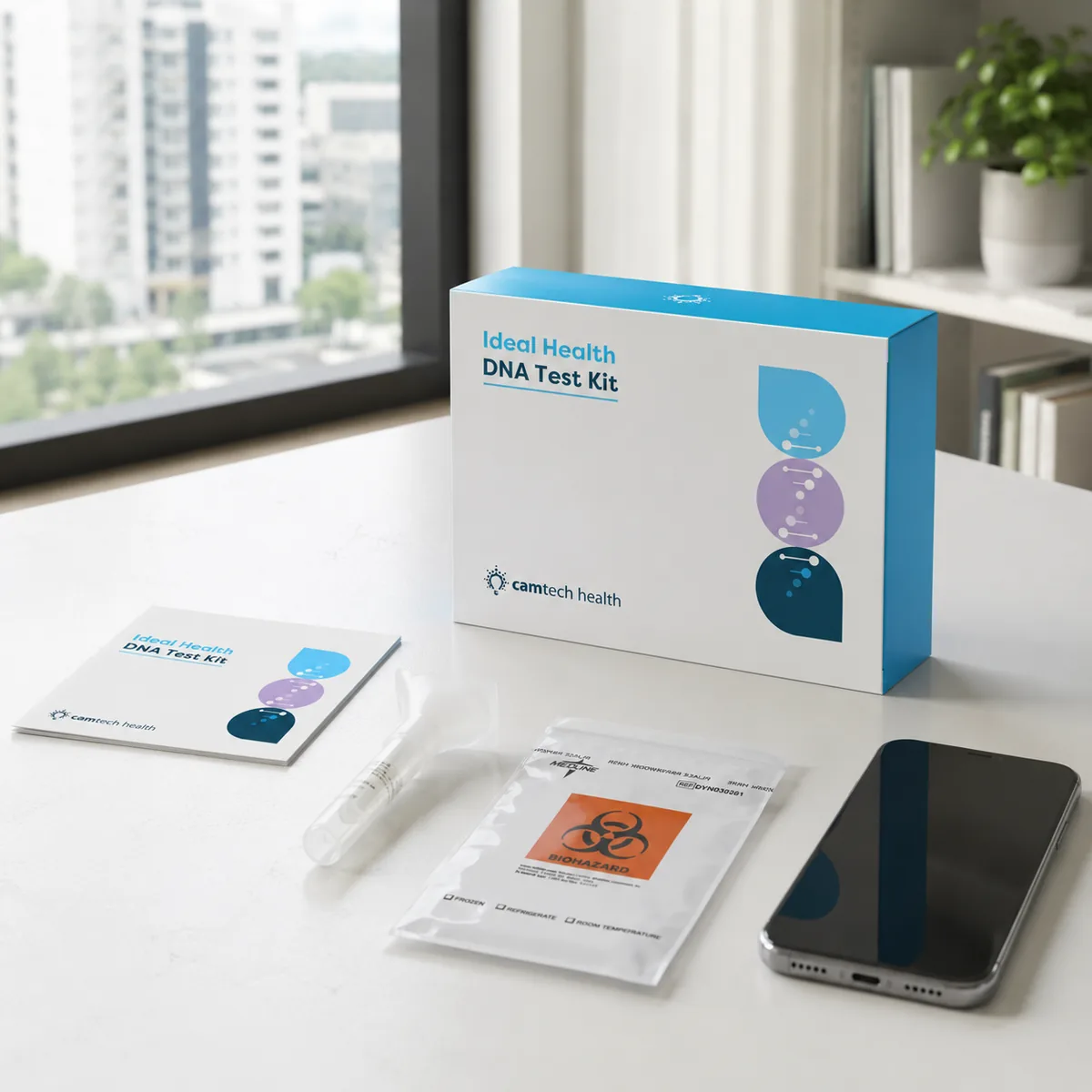
At-home testing can make selected health and wellness services more convenient, especially when sample collection can be completed privately. This guide focuses on non-clinical DNA wellness tests that use saliva, rather than clinical genetic tests or diagnostic self-tests.
Singapore’s HealthHub explains that direct-to-consumer (DTC) genetic testing usually involves sending a saliva or cheek-swab sample to a provider for analysis. It also cautions that these results should not be treated as medical information or used for self-diagnosis.
Before choosing a test, consider more than convenience. Check its intended purpose, sample and laboratory pathway, reporting limitations, privacy terms and the support available if a result is unclear.
What Is At-Home DNA Testing?
At-home DNA testing allows a person to collect a sample outside a clinic and return it for laboratory analysis. Some services are clinical and ordered by a doctor. Others are non-clinical wellness products purchased directly by consumers. The distinction matters because a wellness report does not diagnose a disease or replace recommended screening.
The Camtech Health IDEAL Health DNA Test uses a saliva sample and is presented for general wellness and lifestyle insight. Its official product page states that the results should not be regarded as medical information or advice.
Why Saliva Collection Is Commonly Used
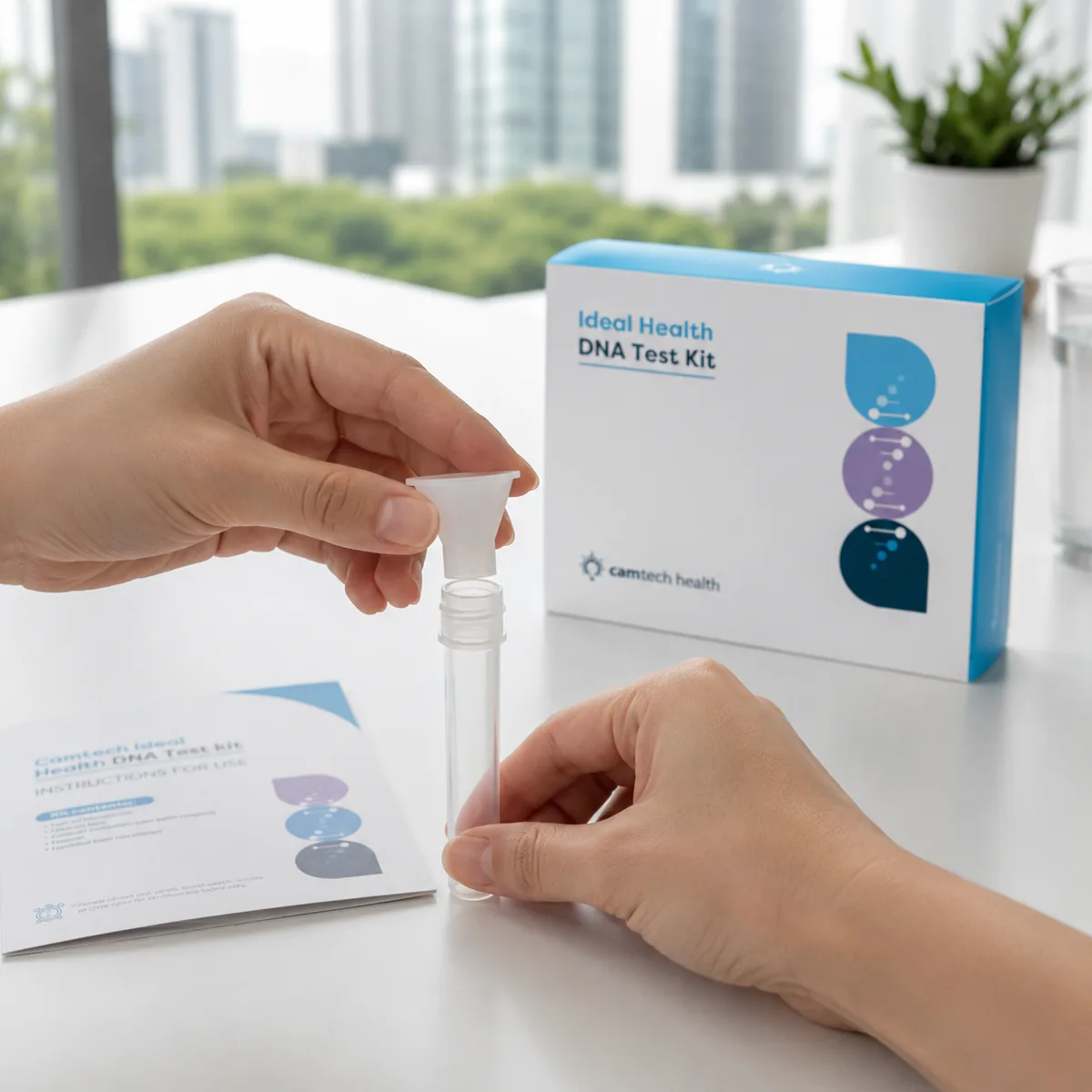
Saliva collection is needle-free and can usually be completed privately at home. It is convenient, but it is not error-proof. Always follow the instructions supplied with the specific kit.
- Read the kit instructions before starting.
- Observe the stated waiting period for food, drink, brushing teeth, smoking or chewing gum.
- Provide the required amount of saliva without touching the inside of the tube or cap.
- Seal and package the sample exactly as instructed.
- Return the sample promptly using the specified delivery method.
If you spill the stabilising liquid, contaminate the tube or cannot collect enough saliva, contact the provider before sending the sample.
Accuracy Depends on the Whole Testing Pathway
A result is influenced by more than the sample type. Useful questions include:
- Was the correct sample collected in the right way?
- Was it transported and stored under the required conditions?
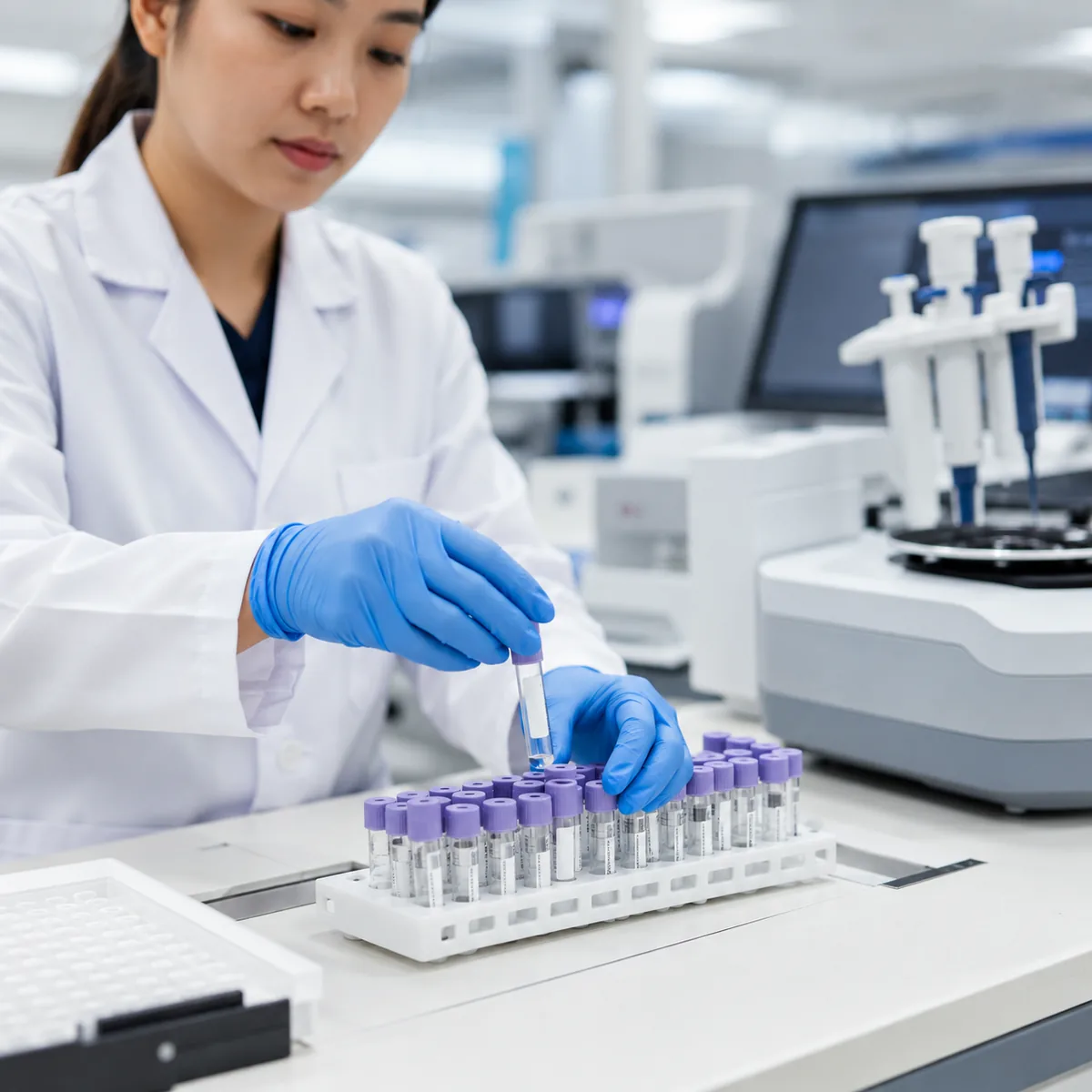
- Does the laboratory use an appropriate, validated method and disclose relevant credentials?
- Does the report explain the test’s scope, limitations and appropriate next steps?
HealthHub advises caution when interpreting DTC genetic test results. Genes are only one part of health, and a doctor may also consider symptoms, medical history, family history, lifestyle and other clinical tests.
Privacy Matters Because Genetic Data Is Personal
Singapore’s Personal Data Protection Commission (PDPC) explains that the Personal Data Protection Act (PDPA) provides a baseline standard for how organisations collect, use, disclose and care for personal data. This legal baseline does not, by itself, explain every choice a particular provider makes.
Before submitting a sample, read the privacy notice and terms. Check:
- What personal, health and genetic information is collected, and why.
- Which laboratories, technology vendors or other service providers may receive it.
- Whether data may be transferred outside Singapore and what safeguards apply.
- How long the sample and data are kept, and when they are destroyed or anonymised.
- Whether data may be used for research, marketing or service improvement.
- How to request access, correction, withdrawal of consent or deletion where applicable.
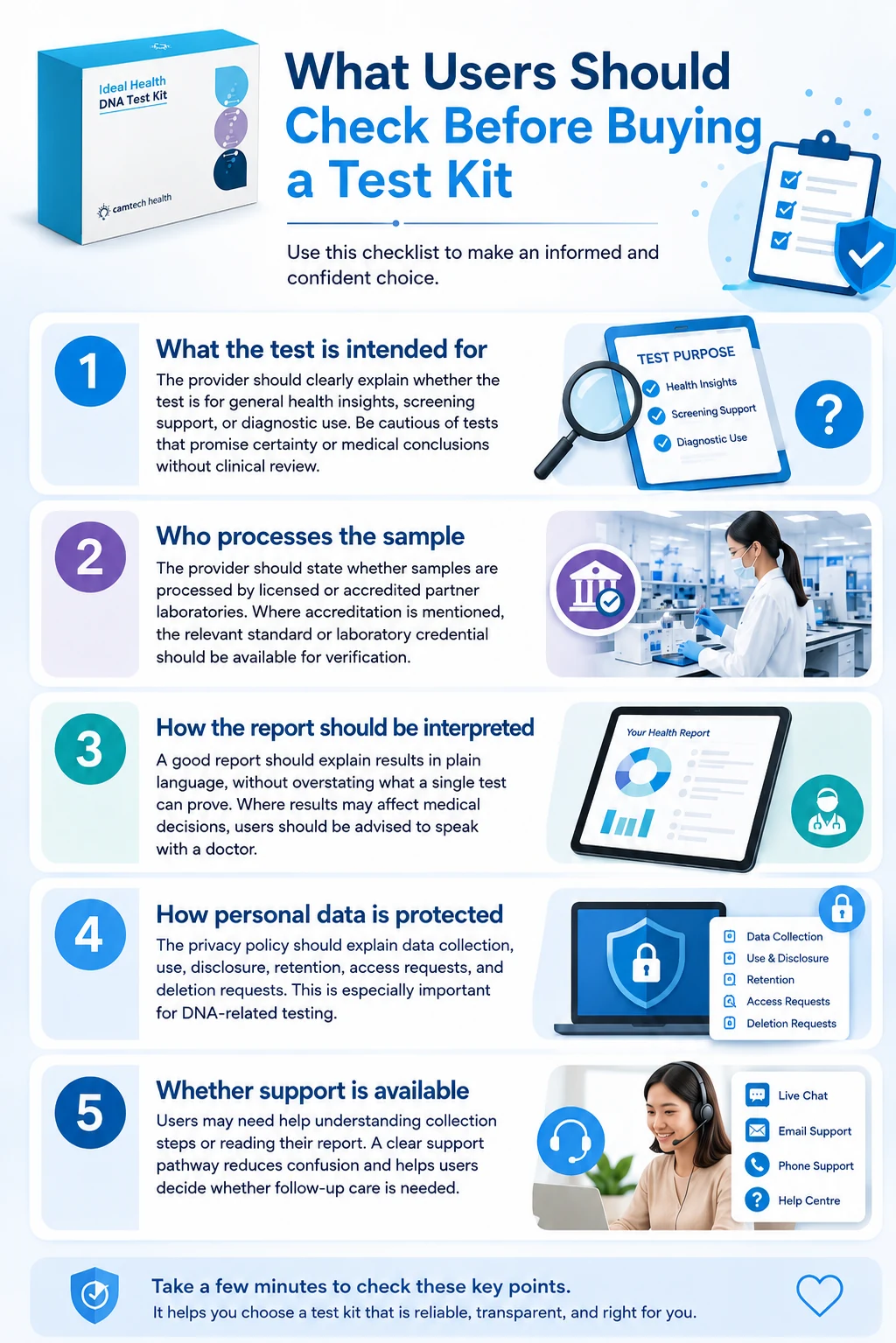
What to Check Before Buying a Test Kit
A careful comparison can help you avoid confusing a wellness product with a clinical test.
1. What the test is intended for
The provider should state whether the test offers general wellness insights, clinical screening support or diagnostic information. Treat broad promises, certainty claims or medical conclusions without clinical review as warning signs.
2. Who processes the sample
Look for the laboratory’s name, location and relevant licence or accreditation information. If these details are unclear, ask the provider before purchasing.
3. How the report should be interpreted
A responsible report should explain what was measured, what the result cannot establish and when professional advice is appropriate.
4. How personal data is protected
The privacy notice should cover collection, use, disclosure, security, retention and available data requests. Pay particular attention to third-party and overseas transfers.
5. Whether support is available
Check how to obtain help with sample collection, an invalid sample, technical access or a result that is difficult to understand.
What to Do After Receiving a DNA Wellness Report
Treat the report as one source of information, not a final answer.
- Read the stated scope and limitations before acting on any result.
- Consider the result alongside your symptoms, medical history, family history and current health checks.
- Speak with a qualified healthcare professional before making medical decisions or major changes to medication, diet or treatment.
- Store the report securely and avoid uploading it to another service without reviewing that service’s privacy terms.
Seek medical advice if a result worries you, conflicts with symptoms or could affect a clinical decision. Do not delay care while waiting for, or because of, an at-home wellness report.
A Practical First Step, Not a Final Answer
At-home DNA wellness testing can reduce the friction of sample collection and make selected information easier to access. Its value depends on a clearly defined purpose, careful sample handling, an appropriate laboratory pathway and a report that communicates limitations honestly.
Convenience should not outweigh privacy or responsible interpretation. Choose a provider whose terms you understand, and involve a healthcare professional whenever the question is medical rather than general wellness.
References
- HealthHub Singapore. Understanding direct-to-consumer genetic tests.
- Personal Data Protection Commission Singapore. Personal Data Protection Act overview.
- Camtech Health Singapore. IDEAL Health DNA Test.
Medical Disclaimer
This article provides general educational information and does not replace personalised advice, diagnosis or treatment from a qualified healthcare professional. A non-clinical DNA wellness report is not a diagnostic test. If you have symptoms, an existing condition, a family history of disease or concerns about a result, seek advice from a qualified healthcare professional in Singapore. Seek urgent medical help for severe or rapidly worsening symptoms.
*Visuals are assisted by AI
Frequently Asked Questions
Is saliva collection painful?
Saliva collection is needle-free and does not involve drawing blood. Follow the kit instructions and contact the provider if you cannot collect the required sample.
How reliable is an at-home DNA wellness result?
Reliability depends on the sample, laboratory method, quality controls and interpretation. A wellness result should not be used to diagnose a condition or replace clinically indicated testing.
Does the PDPA guarantee that my genetic data is private?
The PDPA sets legal obligations for organisations handling personal data in Singapore, but you should still read the provider’s privacy notice to understand collection, sharing, overseas transfers, retention and available requests.
Should I see a doctor after receiving my report?
Speak with a doctor if you have symptoms, an existing condition, a relevant family history, a concerning result or questions that could affect medical care. Bring the report and its stated limitations to the appointment.