
August Health Check in Singapore: Dengue, Flu and Travel
By Stuart Chan
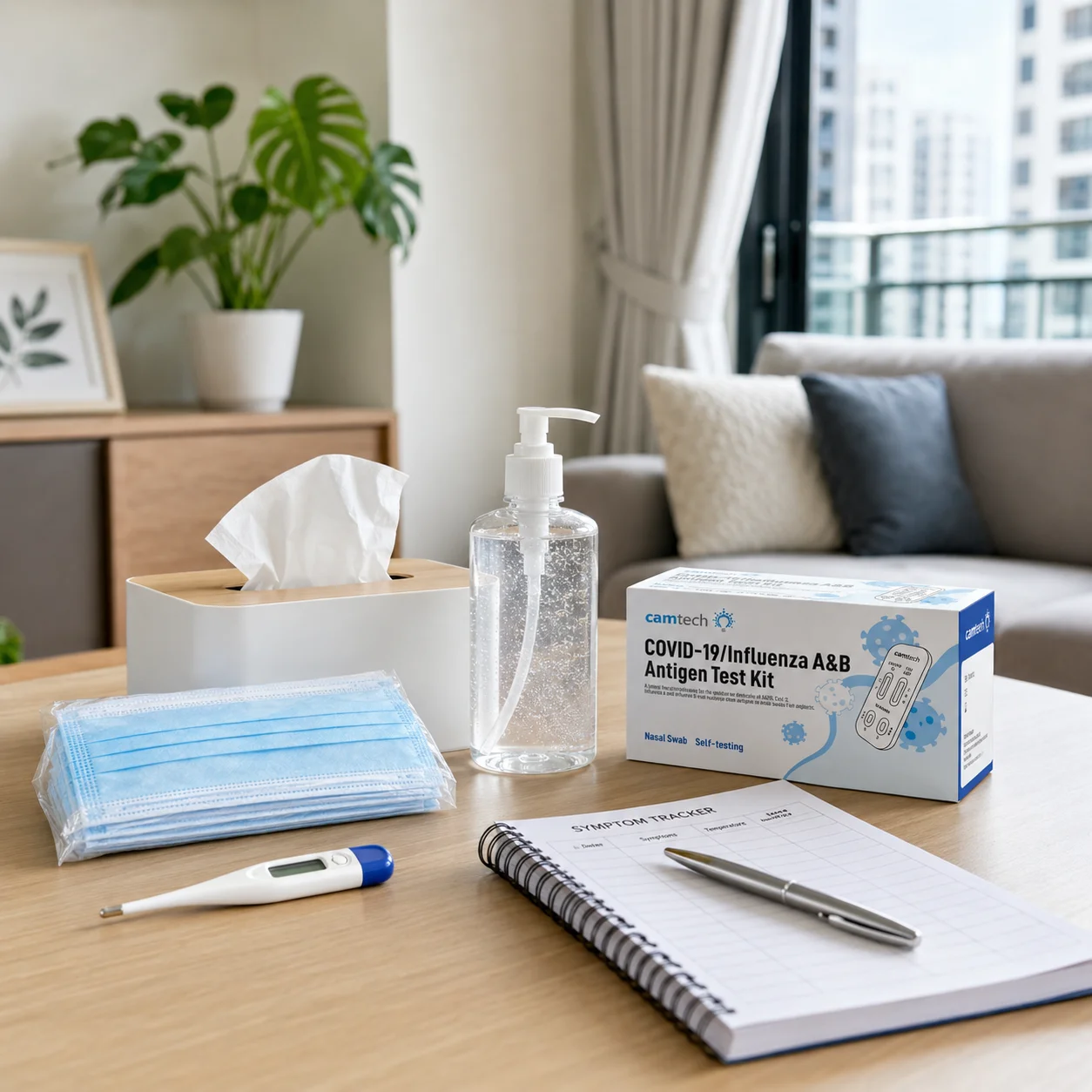
August in Singapore is often a busy month. Families gather for National Day, students settle into school routines, workplaces resume after mid-year travel, and many households are still navigating the warm, humid conditions that support mosquito breeding.
For many people, this is a practical time to review simple health routines at home. Not because every fever or cough is serious, but because early observation, responsible testing where relevant, and timely medical care can help families make clearer decisions.
In Singapore, dengue remains a recurring public health concern. NEA reported that the warmer months from May to October usually see higher dengue transmission, while HealthHub advises that people should seek medical attention if they suspect dengue. Respiratory infections such as influenza and Covid-19 can also overlap in symptoms such as fever, cough, sore throat and fatigue.
This guide explains what Singapore households can consider during August, how to monitor symptoms sensibly, and when at-home testing may support practical next steps.
Why August Is a Good Time for a Household Health Review
August is not just another month on the calendar. In Singapore, it falls within a period where dengue prevention remains relevant, and where social activities, school exposure and travel can increase the chance of respiratory symptoms spreading within households.
A simple review can include:
- Checking that thermometers and basic health supplies are working
- Looking out for dengue symptoms after mosquito bites or fever
- Monitoring cough, sore throat, fever or body aches after gatherings
- Keeping approved test kits accessible where suitable
- Knowing when a doctor’s review is needed
This is especially important for households with young children, elderly family members, pregnant women, or people with chronic medical conditions.
Dengue in Singapore: What to Watch For
Dengue symptoms can resemble other viral illnesses at the beginning. Common symptoms include fever, headache, muscle and joint aches, rash, nausea and vomiting. HealthHub advises seeking immediate medical attention if dengue is suspected, as dengue can change quickly over the course of illness.
Possible dengue symptoms include:
- Sudden fever
- Headache or pain behind the eyes
- Muscle and joint aches
- Nausea or vomiting
- Rash
- Unusual tiredness
- Bleeding from the nose or gums
- Bruising or small red spots on the skin
Dengue is not treated with a specific antiviral medicine. Management is usually supportive, but severe cases may require hospital care, fluid replacement or closer monitoring.
When to seek medical help
Seek medical attention promptly if you suspect dengue, especially if fever is persistent or symptoms worsen. Warning signs may include abdominal pain, persistent vomiting, bleeding, extreme tiredness, restlessness, difficulty breathing, cold or pale skin, or blood in vomit or stools.
At-home observation is not a substitute for medical assessment when dengue is suspected.
Flu, Covid-19 and Other Respiratory Symptoms
Cough, sore throat, fever, runny nose, chills, muscle aches and fatigue can occur in different respiratory infections. MOH lists common Covid-19 symptoms as fever, chills, sore throat, cough, nasal congestion, headache, loss of taste or smell, fatigue, muscle aches, nausea and diarrhoea. HealthHub also notes that influenza symptoms can include fever, chills, headache, tiredness, muscle aches, sore throat and cough.
Because symptoms can overlap, it is not always possible to tell the cause based on symptoms alone.
Practical steps when symptoms appear
If someone at home develops flu-like symptoms:
- Rest and hydrate
- Avoid strenuous activity until recovered
- Wear a mask when around others
- Avoid crowded places, work or school if unwell
- Practise hand hygiene
- Monitor temperature and symptoms
- Consider testing where it helps with practical decisions
HealthHub advises people with flu symptoms to practise self-care, stay hydrated, avoid strenuous activities while ill, and avoid work, school and crowded places to minimise transmission.
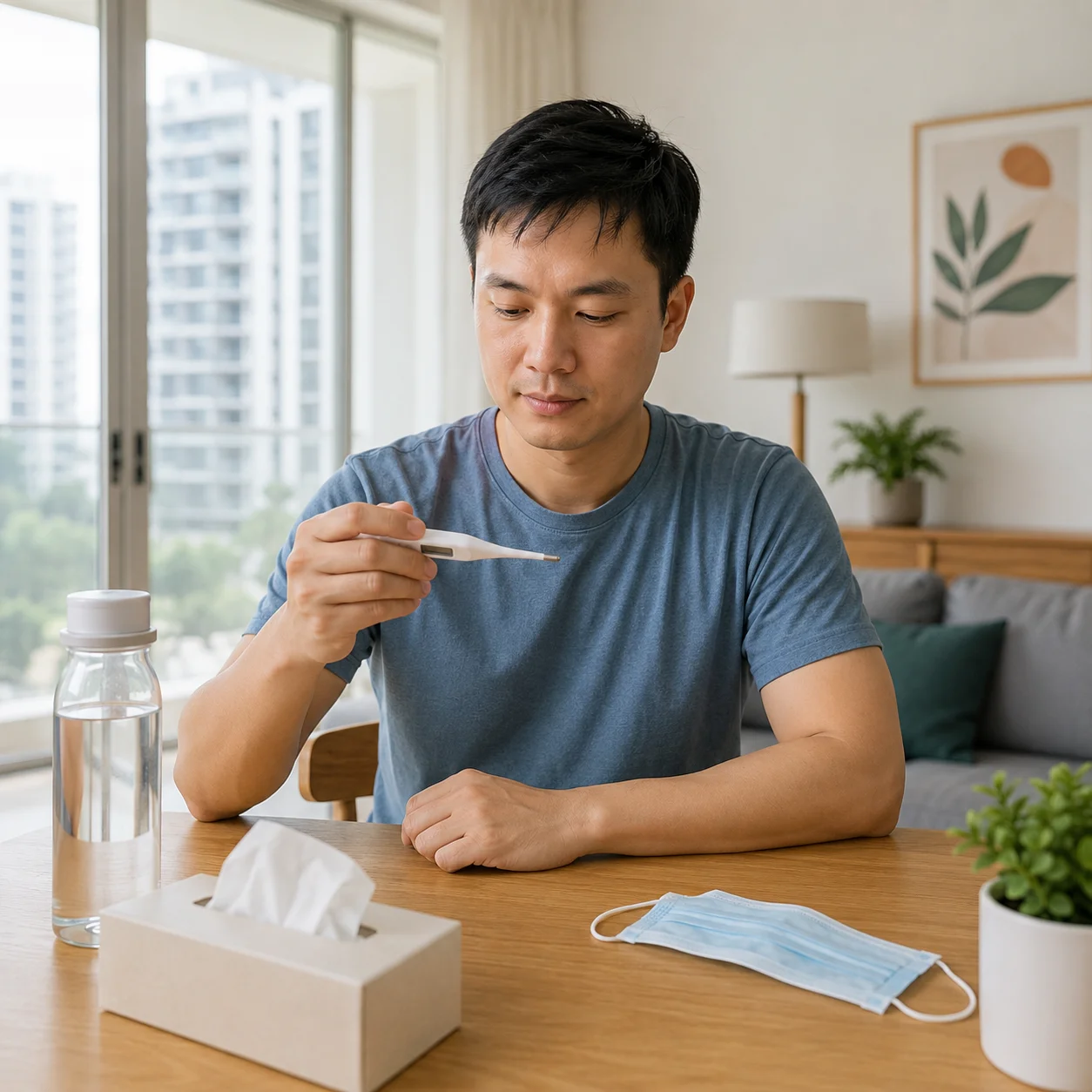
Where At-Home Testing May Help
At-home tests can support decision-making when used appropriately. For example, a respiratory test may be useful when someone has symptoms after close contact, before visiting a vulnerable family member, or when deciding whether to reduce contact with others.
For Camtech Health customers, this is where a Covid-19 & Flu A/B Test Kit may support symptom-related planning. The result should be read according to the kit instructions and considered alongside symptoms, exposure history and medical advice where needed.
Important limitation
A negative result does not always mean that there is no infection. MOH notes that ART testing is no longer routinely needed for healthy persons with acute respiratory infection symptoms, but commercially available ART kits may still be used by individuals who choose to self-test. MOH also notes that a negative result does not always mean a person is not infected, as symptoms may be caused by other viruses or bacteria.
Testing is one part of decision-making. It should not replace medical consultation when symptoms are severe, persistent or concerning.
Building a Simple August Home Health Kit
A practical home health kit does not need to be complicated. It can help families respond more calmly when someone develops symptoms.
Consider keeping these items accessible:
1. A working thermometer
Track fever patterns and note when symptoms started.
2. Masks and tissues
Useful when someone has a cough, sore throat or runny nose.
3. Hand sanitiser or soap access
Hand hygiene remains a simple way to reduce spread at home.
4. Oral rehydration or fluids
Hydration is important during fever, vomiting or diarrhoea.
5. Suitable test kits
Use only approved or appropriately supplied kits. Check expiry dates and follow instructions.
6. A symptom log
Record the date symptoms started, temperature readings, test date, result and any worsening signs. This may help during a clinic consultation.
7. Clinic and emergency contacts
Keep nearby clinic details, CHAS clinic information where relevant, and emergency contact numbers accessible.
Dengue Prevention Still Starts at Home
Dengue prevention is not only about avoiding mosquito bites. It also involves reducing mosquito breeding areas.
NEA’s public education consistently emphasises source reduction, including removing stagnant water. This is especially relevant in homes, balconies, corridors, plant trays and pails.
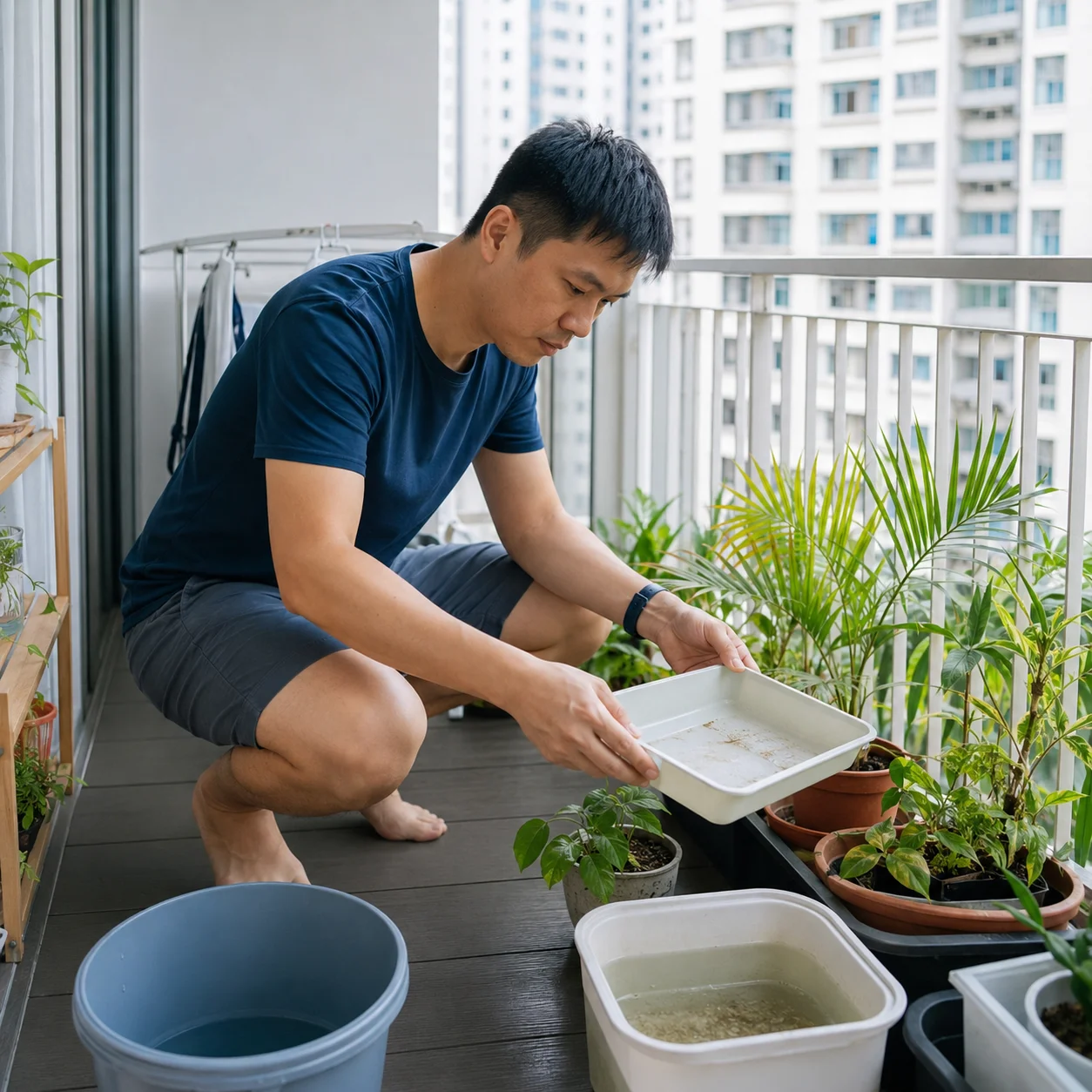
Simple household checks include:
- Turn over pails and containers
- Clear water from plant trays
- Loosen hardened soil in potted plants
- Check roof gutters if accessible and safe
- Keep drains clear
- Use mosquito repellent when needed
- Install or maintain window screens where suitable
These steps are particularly useful after rainy periods.
When Should You See a Doctor?
Seek medical advice promptly if symptoms are severe, worsening or prolonged. For fever, HealthHub advises medical attention in situations such as fever lasting more than three days, difficulty breathing, confusion, excessive drowsiness, rashes or unexplained bruise-like spots.
You should also consider medical review if:
- Dengue is suspected
- Fever is high or persistent
- There is shortness of breath
- Symptoms worsen after initial improvement
- There is chest pain
- There is persistent vomiting
- There are signs of dehydration
- The person is elderly, pregnant, immunocompromised, or has chronic medical conditions
- A young child appears unusually tired, irritable or difficult to wake
For urgent symptoms, seek emergency medical care.

A Practical August Health Routine for Singapore Households
A simple routine can help families stay prepared without overreacting.
Step 1: Review your household supplies
Check expiry dates on test kits, ensure the thermometer works, and keep masks and tissues accessible.
Step 2: Monitor symptoms early
Record fever, cough, sore throat, rash, vomiting, body aches or unusual tiredness.
Step 3: Reduce spread when unwell
Stay home where possible, avoid close contact with vulnerable family members, and wear a mask if contact cannot be avoided.
Step 4: Use tests appropriately
Testing may support practical decisions, but results should be interpreted alongside symptoms and exposure history.
Step 5: Seek care when symptoms suggest risk
Do not delay medical review if dengue is suspected, breathing is affected, fever persists, or symptoms worsen.
Step 6: Review longer-term health habits
Once recovered, consider whether sleep, nutrition, physical activity and health tracking routines are supporting your health goals.
Key Takeaway
August is a sensible time for Singapore households to review dengue prevention, respiratory symptom planning and basic home health supplies. At-home testing can support practical decisions when used appropriately, but it should not replace medical advice when symptoms are concerning.
A prepared household does not need to be anxious. It simply needs clear steps, reliable supplies and an understanding of when to seek professional care.
Singapore Medical Disclaimer
This article is for general educational information only and should not be used as a substitute for medical advice, diagnosis or treatment. At-home test kits should be used according to their instructions for use. Test results should be interpreted together with symptoms, exposure history and clinical advice where appropriate. If you suspect dengue, have persistent fever, breathing difficulty, severe symptoms or symptoms that worsen, please consult a registered medical practitioner promptly or seek emergency care.
*Visuals are assisted by AI
References
- National Environment Agency, Singapore: Dengue cases and dengue prevention updates.
- HealthHub Singapore: Dengue symptoms and care advice.
- Ministry of Health Singapore: Covid-19 symptoms and public health information.
- HealthHub Singapore: Influenza symptoms and self-care advice.
Patient FAQ
1. Should I test for Covid-19 or flu every time I have a cough?
Not necessarily. Testing may be useful when symptoms affect decisions such as staying away from vulnerable family members, returning to work or school, or managing exposure after travel or gatherings. A negative result does not always rule out infection, so monitor symptoms and seek medical advice if symptoms are severe, persistent or worsening.
2. How do I know if my fever could be dengue?
Dengue can cause fever, headache, pain behind the eyes, muscle and joint aches, rash, nausea or vomiting. Symptoms can overlap with other infections, so it is not always possible to tell by symptoms alone. In Singapore, HealthHub advises seeking medical attention if dengue is suspected.
3. What should I keep at home during dengue and flu season?
A practical home kit can include a thermometer, masks, tissues, hand sanitiser, fluids, suitable test kits, and a simple symptom log. Check expiry dates regularly and follow test kit instructions carefully.
4. When should I see a doctor instead of managing symptoms at home?
Seek medical care if dengue is suspected, fever lasts more than three days, breathing becomes difficult, symptoms worsen, there is persistent vomiting, unusual drowsiness, confusion, rash, unexplained bruising, bleeding, or if the person is elderly, pregnant, immunocompromised or has chronic medical conditions.