
Breast Cancer Awareness: A Preventive Screening Habit
By Stuart Chan
October is a useful reminder to look after your breast health. The next step is practical: check whether you are due for screening, book an appointment and follow up on the result. A simple plan can make preventive care easier to fit into everyday life.
Use October to make a plan
It is easy to save a health reminder and leave it for another day. Give yourself one small task this month: find the date of your last mammogram or ask your clinic when you are due. If an appointment is needed, choose a date and put it in your calendar.
Screening is for people who do not have symptoms. If you notice a breast change, arrange a medical consultation instead of waiting for a routine screening appointment.
You do not need to wait for October to take either step. The month can be a reminder; your screening schedule should follow your doctor's advice.
When should you book a mammogram?
Mammograms use low-dose X-rays to check for breast changes that may be too small to feel. They are carried out at screening centres rather than at home. The Singapore Cancer Society's mammogram guide explains the procedure and available screening options.
The table below gives a starting point. Your doctor can advise on the timing that suits your age, health history and previous results. For women aged 75 or above, eligibility under Singapore's national screening programme is considered with a doctor according to clinical risk.
| Situation | Practical next step |
|---|---|
| Age 50 or above, no symptoms and due for screening | Check whether you are due for the usual two-yearly mammogram. If you are 75 or above, discuss screening with your doctor. |
| Age 40 to 49 | Discuss the benefits and limitations with your doctor. If screening is recommended, it is generally done yearly. |
| A new lump, nipple discharge or change in the breast skin | See a doctor promptly, even if your last mammogram was normal. |
| Abnormal mammogram result | Arrange the advised follow-up. An abnormal screening result is not a cancer diagnosis. |
Know when to see a doctor
A new lump, unusual nipple discharge, a persistent nipple rash or a change in the skin or nipple should be checked promptly. Tell the doctor when you first noticed it and whether it has changed.
You do not have to decide whether a change is serious before asking for help. A doctor can examine you and recommend the appropriate assessment.
If you are called back after screening
A callback can feel worrying, but it does not automatically mean cancer. The clinic may recommend further imaging or a biopsy, which involves taking a tissue sample for examination. Follow the instructions in your result letter and arrange the assessment without delay.

Check your other screening dates
While you have your records open, look at any other screening your doctor has recommended. Cervical, colorectal and chronic disease screening each have their own eligibility criteria and intervals. They should not all be treated as annual tests.
For cervical screening, the recommended test depends on your age and history. Human papillomavirus (HPV) testing checks for high-risk types of the virus associated with cervical cancer; it does not screen for breast cancer.
If home collection is something you are considering, Camtech Health's At-Home HPV Test Kit offers a self-collected vaginal swab for laboratory testing in Singapore. Check whether it is suitable for you and follow the collection and follow-up instructions.
An at-home test serves a different purpose from a mammogram. Choosing one does not remove the need for breast screening or medical review of breast symptoms.

Keep a screening record you will use
Your record can be a note on your phone, a paper diary or a calendar entry. Choose somewhere you already check, so you can find the information when you need it.
Write down the essentials
Record the test, last screening date, clinic and next recommended due date. If you need help working out what is due, use HealthHub's recommended screening tests by age as a starting point and confirm the plan with your clinic.
Plan for the result
Ask how your results will arrive and when to contact the clinic if you have not received them. Save the result and any follow-up instructions together. If further assessment is recommended, record the appointment as well as the screening date.
Bring your family history
Tell your doctor about close relatives who have had cancer, including the cancer type and age at diagnosis if you know them. This helps the doctor assess whether the standard screening schedule is appropriate for you.
Get ready for your appointment
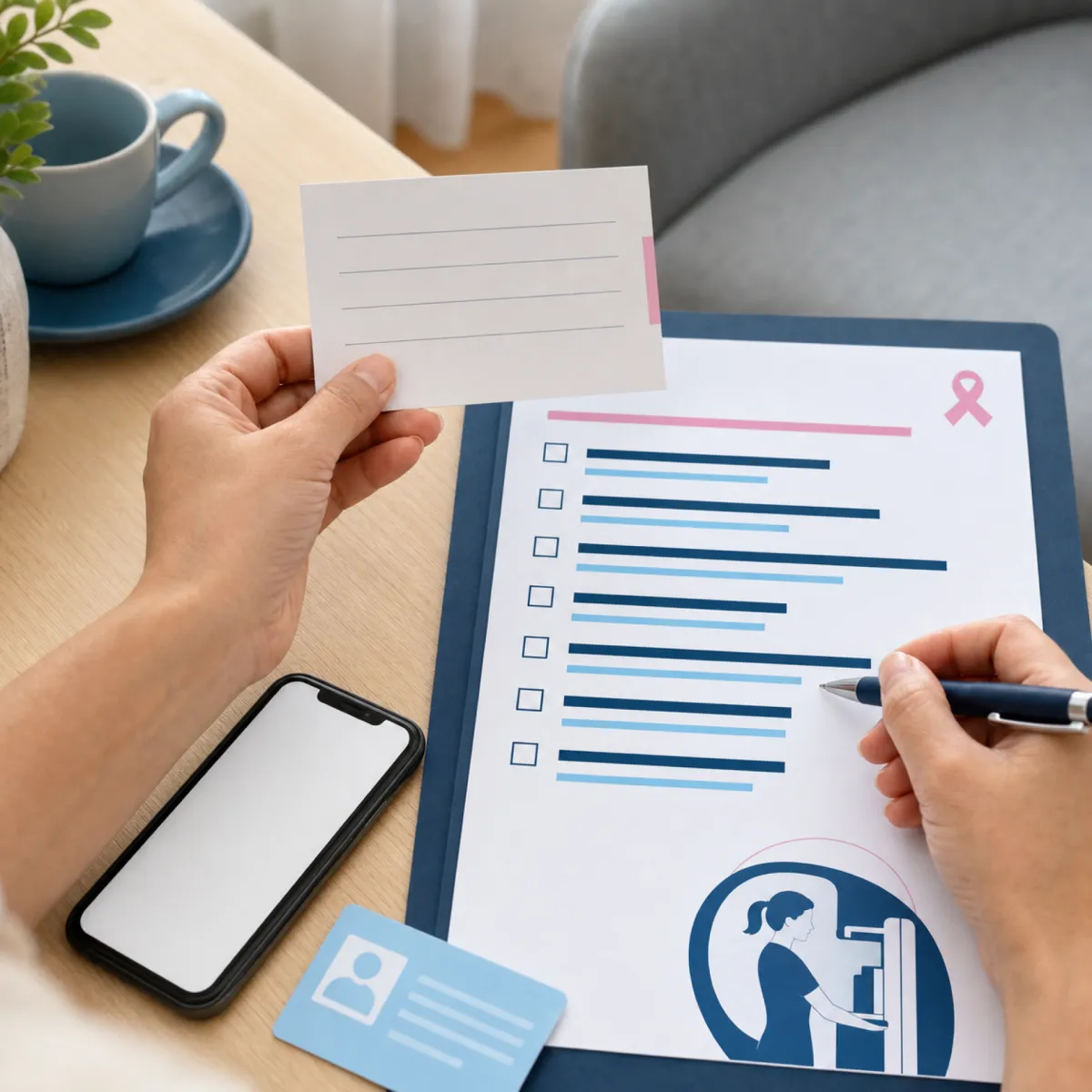
- Confirm the booking, location and any instructions from the screening centre.
- Bring previous screening information if the clinic asks for it.
- Check the fee and any subsidy eligibility before attending.
- Leave enough time for registration and the appointment.
- Ask when to expect your result and who to contact with questions.
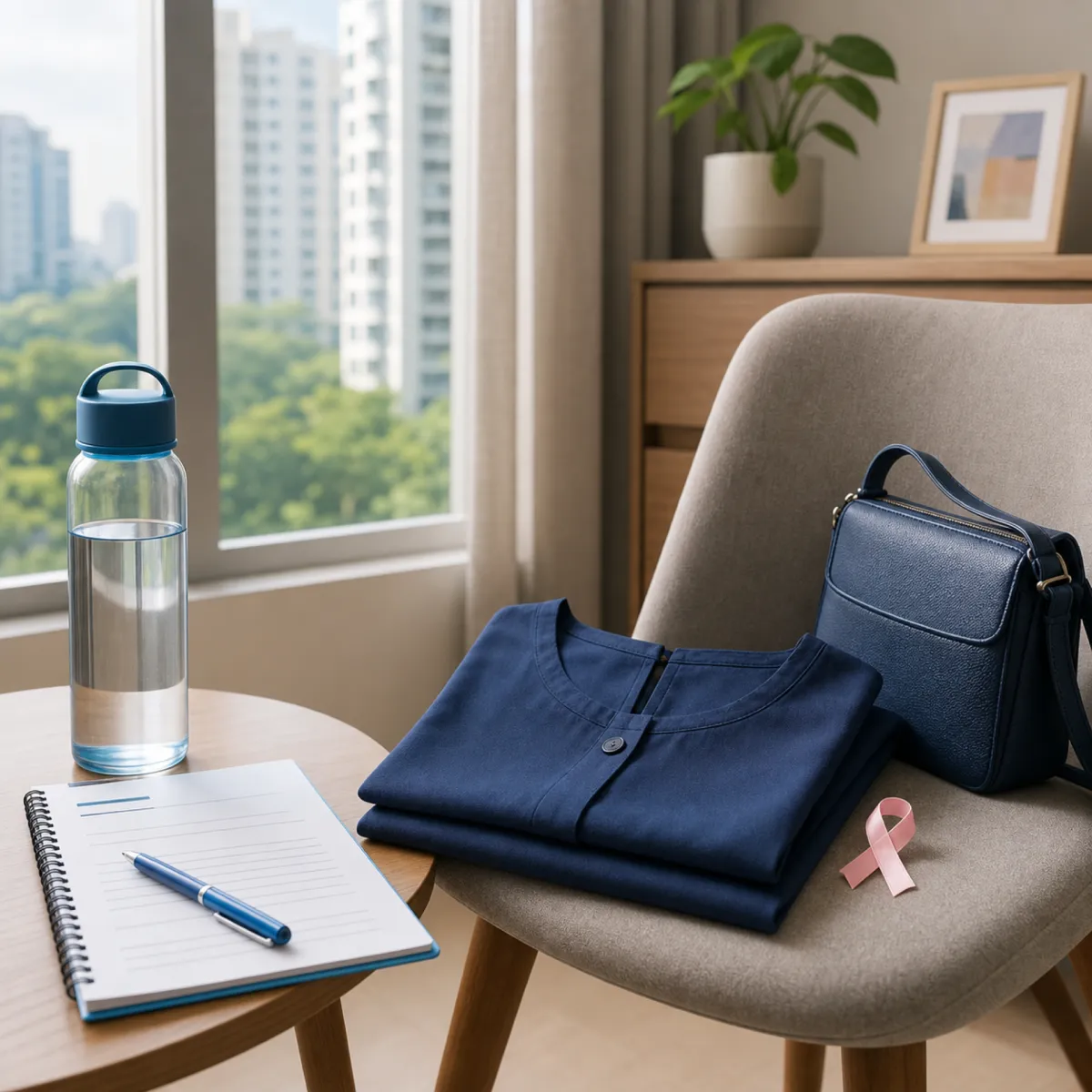
For a mammogram, wear a comfortable two-piece outfit. Avoid deodorant, perfume, powder or ointment on your breasts and underarms that day, as these can affect the images. Follow any additional instructions from your screening centre.
References
- HealthHub — Learn More About Recommended Screening Tests by Age.
- Singapore Cancer Society — Breast Cancer Screening & Mammogram Singapore.
Important information
This article is general health information for readers in Singapore. It does not replace medical advice, diagnosis or treatment. Screening eligibility, subsidies and booking arrangements can change. Check current guidance and speak with a healthcare professional about symptoms, previous abnormal results or your personal screening needs.
*Visuals are assisted by artificial intelligence (AI)
Frequently Asked Questions
Should I wait until October to book a mammogram?
No. Use the date recommended by your doctor or screening centre. Awareness Month is a helpful reminder, but it should not delay an appointment that is already due.
What if I feel well?
Feeling well is the usual setting for routine screening. Check whether you are due rather than waiting for symptoms to appear.
Does a normal result mean I can stop screening?
No. Keep the next recommended date in your calendar, and see a doctor if you notice a new breast change between screenings.
Can an at-home test replace a mammogram?
No. The HPV kit discussed here tests for a virus relevant to cervical screening. It does not screen for breast cancer or assess breast symptoms.