Mid-Year Health Check Singapore: At-Home Test Guide
By Stuart Chan

July often feels like a natural checkpoint. Half the year has passed, routines may have changed, and many people in Singapore start thinking about whether they have been putting off health matters while managing work, family, travel, or school schedules.
A mid-year health check does not always need to start with a long clinic visit. For some people, at-home testing can be a practical first step to gather health information before deciding whether to speak with a doctor. The key is knowing which test is relevant to your current life stage, symptoms, and health priorities.
In Singapore, eligible citizens may also be able to access subsidised screening through Healthier SG Screening, with recommendations based on age, sex, pre-existing conditions, and previous screening history. At-home tests should be viewed as part of a broader approach to health monitoring, not a replacement for medical advice or clinically indicated screening.
Why a Mid-Year Health Check Makes Sense in Singapore
Singapore's pace of life can make it easy to delay health checks until symptoms become harder to ignore. A mid-year review gives you a chance to ask practical questions:
- Have I had recurring respiratory symptoms?
- Am I due for cervical screening?
- Have allergy-like symptoms been affecting my sleep or concentration?
- Am I planning for pregnancy or tracking my cycle?
- Do I want more information about genetic traits related to nutrition, fitness, or ageing?
At-home test kits can support this process by making sample collection more convenient. However, the results should be interpreted carefully. Some tests provide diagnostic information, while others offer risk or trait-based insights. A healthcare professional can help you understand what the results mean for your situation.
At a Glance: Suggested Test Considerations by Life Stage
- Young adults — Respiratory infections, allergies, lifestyle habits. Consider: Covid-19 & Flu A/B Test Kit, IDEAL Allergy DNA Test.
- Women aged 25 and above — Cervical health awareness, reproductive planning. Consider: At-Home HPV Test Kit, LH Ovulation Test Kit.
- Couples planning a family — Ovulation tracking, fertility timing, family planning. Consider: LH Ovulation Test Kit, selected DNA tests.
- Busy working adults — Fitness, nutrition, allergy triggers, respiratory illness. Consider: IDEAL Fitness & Nutrition DNA Test, IDEAL Allergy DNA Test, Covid-19 & Flu A/B Test Kit.
- Parents and caregivers — Family respiratory symptoms, inherited trait awareness. Consider: Covid-19 & Flu A/B Test Kit, IDEAL Health DNA Test.
- Adults 40 and above — Longer-term health review, lifestyle risk awareness. Consider: IDEAL Health DNA Test, and clinic-based screening where appropriate.
In Your 20s: Build Useful Health Habits Early
For many adults in their 20s, health checks may not feel urgent. However, this is often the stage where daily habits, travel, social activities, and work routines can affect sleep, diet, and exposure to infections.
Respiratory testing when symptoms appear
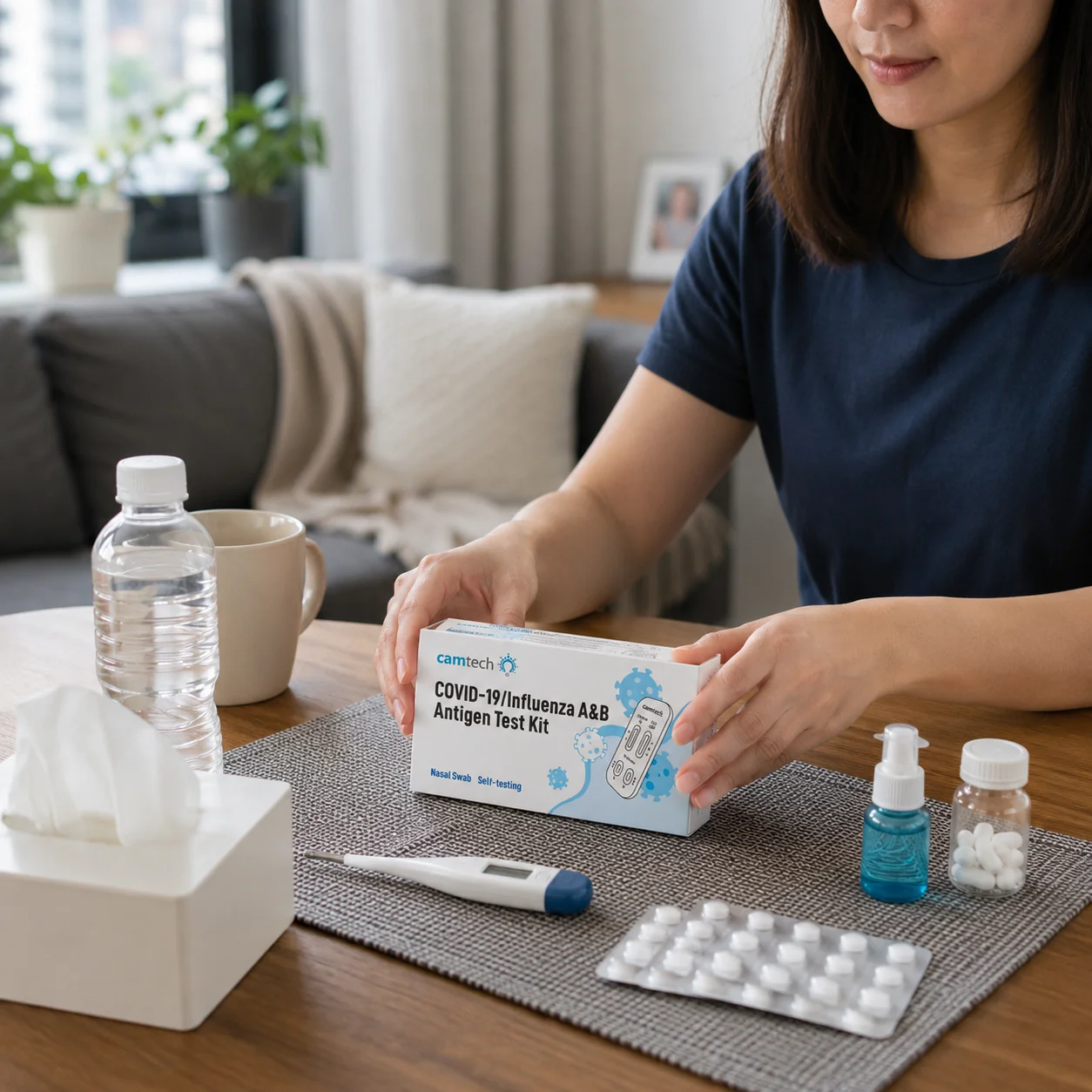
If you develop fever, sore throat, cough, runny nose, or body aches, a respiratory self-test can help identify whether Covid-19 or influenza A/B may be involved. Camtech's Covid-19 & Flu A/B Test Kit is described as a 3-in-1 rapid test using a nasal swab specimen, with results in about 15 minutes.
This can be useful before seeing elderly relatives, returning to office, or deciding whether to seek medical review. If symptoms are severe, persistent, or worsening, consult a doctor.
Allergy-related insights
Singapore's indoor environments, air-conditioning, humidity, and dust exposure can contribute to allergy-like symptoms. HealthHub notes that allergic rhinitis symptoms may include sneezing, runny nose, itchy nose, blocked nose, postnasal drip, itchy red eyes, cough, and tiredness.
For people who frequently wonder whether food, plant, airborne, or chemical allergens may be relevant to them, Camtech's IDEAL Allergy DNA Test provides genetic risk-related insights from a saliva sample, with results expected within 3 weeks after sample return.
In Your 30s: Focus on Reproductive and Preventive Health
Your 30s can be a busy decade, often involving career growth, marriage, parenting plans, or caregiving responsibilities. This is also when many women become more aware of cervical screening and fertility tracking.
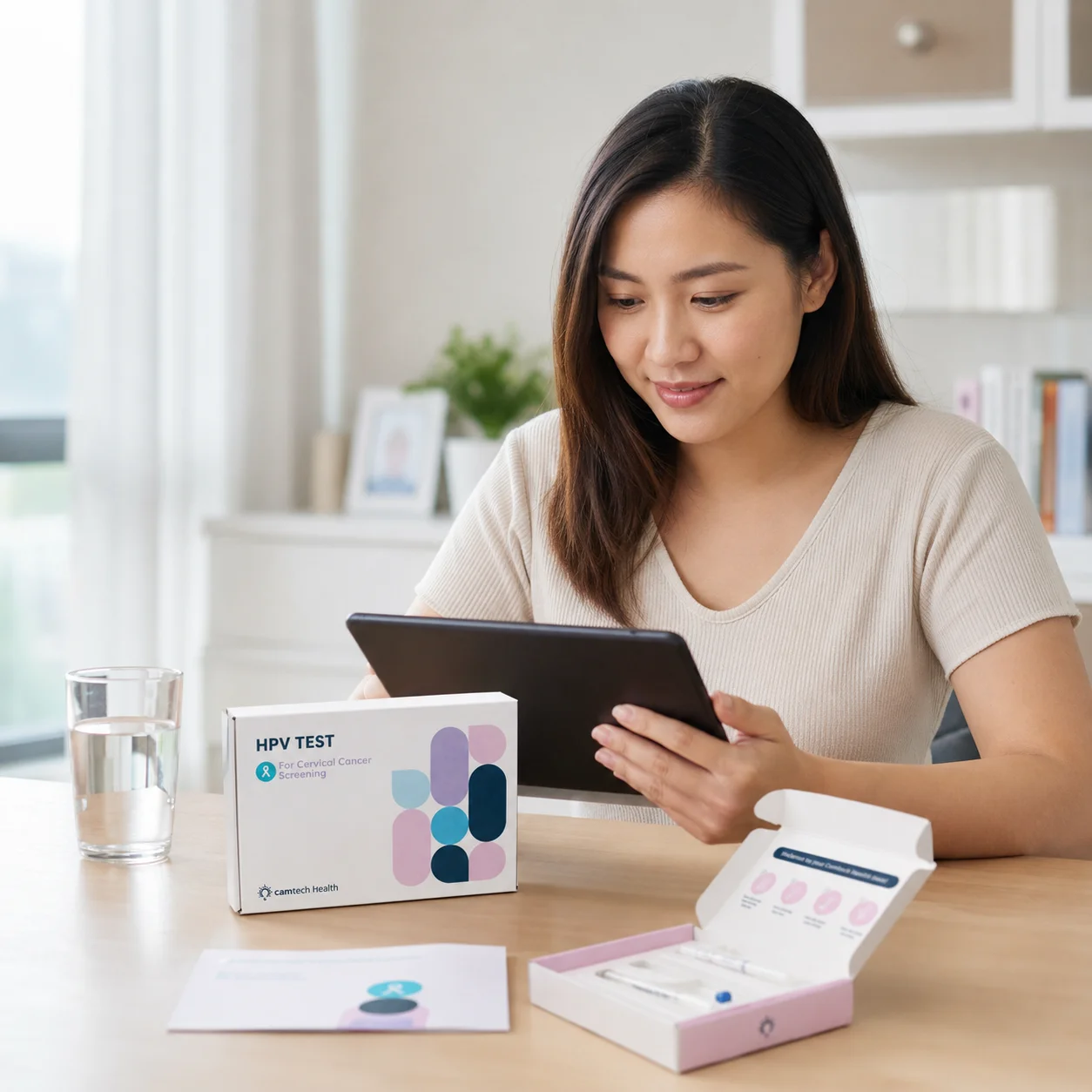
Cervical health and HPV awareness
Human Papillomavirus, or HPV, is linked to cervical cancer risk. HealthHub explains that Pap and HPV tests involve collecting cervical cell samples for laboratory analysis as part of cervical cancer screening.
Camtech's At-Home HPV Test Kit may be relevant for women who prefer a private collection option before seeking follow-up care where needed. This should not replace medical review if you have symptoms such as abnormal bleeding, pelvic pain, or unusual discharge.
Ovulation tracking for family planning
For women or couples planning pregnancy, ovulation tracking can help identify fertile windows. Camtech lists an LH Ovulation Test Kit under its family health options.
This type of test may support cycle awareness, especially when paired with consistent tracking through a digital app or calendar. If cycles are very irregular, painful, or absent, seek medical advice.
In Your 40s: Review Patterns, Not Just Symptoms
By the 40s, many people start noticing changes in energy, weight, exercise tolerance, skin changes, sleep quality, and food responses. A mid-year health check can be a useful time to review patterns.
Fitness and nutrition-related DNA insights
Camtech's IDEAL Fitness & Nutrition DNA Test analyses 35 traits related to metabolism, body type, vitamin absorption, nutrient intake, and selected fitness-related markers. The product page states that results are available in about 3 weeks after sample return.
This type of test should be positioned as educational and lifestyle-related. It does not diagnose disease, replace blood tests, or replace a dietitian or doctor's assessment.
Allergy patterns that affect daily function
If symptoms such as sneezing, blocked nose, watery eyes, or cough are recurring, especially in air-conditioned spaces or after cleaning, allergy evaluation may be useful. At-home genetic testing can provide additional context, but symptom history and clinical review remain important.
In Your 50s and Beyond: Combine Home Testing with Recommended Screening
Adults in their 50s and beyond should not rely only on at-home testing. Clinic-based screening remains important for chronic disease detection and cancer screening where appropriate.
Healthier SG Screening provides subsidised screening options for eligible Singapore Citizens, with recommendations based on age, sex, existing conditions, and previous screening history.
Broader health trait insights
Camtech's IDEAL Health DNA Test analyses 56 traits related to skin, fitness, nutrition, ageing, and genetic risk scores, using a saliva sample. The product page states that results are available in about 3 weeks after sample return.
This can be useful for people who want a structured overview of selected genetic traits, but it should be interpreted alongside medical history, family history, blood pressure, cholesterol, glucose checks, and doctor-recommended screening.
For Parents and Caregivers: Practical Testing for the Household
Parents, caregivers, and multi-generational households may find respiratory testing particularly useful when someone develops symptoms. A combined Covid-19 and flu test may help with early decision-making, such as whether to avoid contact with elderly relatives or seek clinical advice.
HSA notes that Covid-19 self-test kits authorised for use in Singapore are listed through Singapore's medical device regulatory system. Users should follow test instructions carefully and check that any test kit used is appropriate for the intended setting.
For families managing recurring allergy-like symptoms, genetic risk-related allergy insights may support more informed conversations about home environment, food triggers, and medical review.
How to Choose an At-Home Test Safely
Before ordering a test, ask these five questions:
- Is this test relevant to my symptoms or life stage? Do not test randomly. Start with a clear reason.
- Is this a diagnostic test or an informational test? Respiratory antigen tests and HPV tests are different from DNA trait tests.
- Will I know what to do with the result? A useful test should lead to a sensible next step.
- Do I need a doctor's advice first? Seek medical advice promptly for severe symptoms, persistent symptoms, abnormal bleeding, chest pain, breathlessness, or unexplained weight loss.
- Is clinic-based screening still needed? At-home testing can support health monitoring, but it does not replace national screening recommendations or doctor-led care.
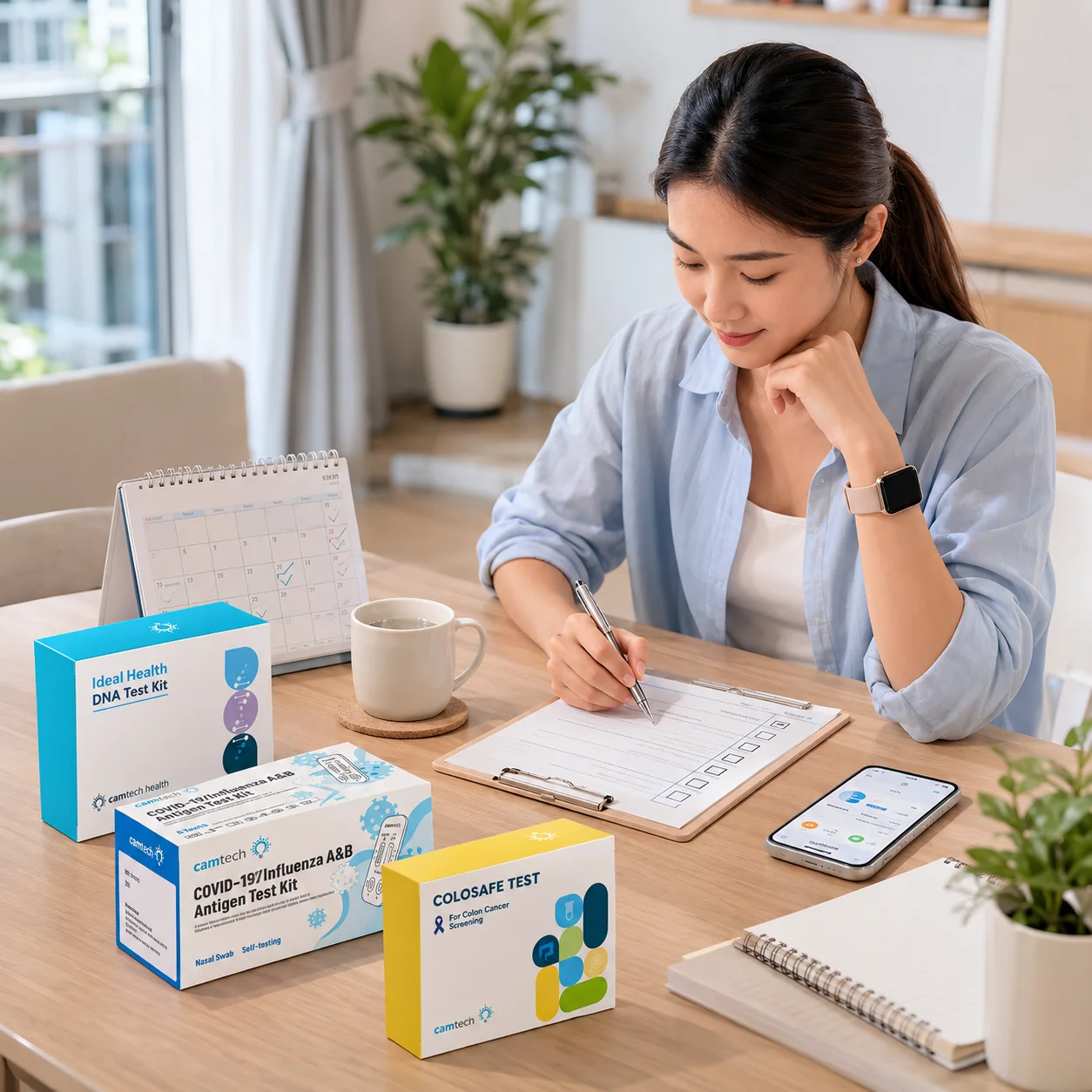
A mid-year health check in Singapore does not need to be complicated. Start with your current life stage, symptoms, and health priorities. At-home tests can make certain types of health information easier to access, but results should be used responsibly.
For respiratory symptoms, a Covid-19 and flu test may support early decision-making. For women, HPV testing can support cervical health awareness. For recurring allergy-like symptoms or nutrition and fitness planning, selected DNA tests may provide additional context. Where symptoms are serious, persistent, or unclear, speak with a qualified healthcare professional.
Medical Disclaimer
This article is for general educational purposes only and should not be taken as medical advice, diagnosis, or treatment. At-home test results should be interpreted according to the test instructions and, where appropriate, discussed with a qualified healthcare professional in Singapore. Seek prompt medical attention if you have severe, persistent, or concerning symptoms. Product availability and regulatory status may vary by market.
*Visuals assisted by AI
References
- Ministry of Health Singapore, Healthier SG Screening.
- HealthHub Singapore, cervical cancer screening and HPV test information.
- Health Sciences Authority Singapore, Covid-19 self-test kit guidance.
- HealthHub Singapore, allergic rhinitis symptoms.
Frequently Asked Questions (FAQs)
- Can at-home tests replace a clinic health screening?
No. At-home tests can support health monitoring, but they do not replace doctor-recommended screening, clinical examination, or follow-up care. In Singapore, eligible citizens may also consider Healthier SG Screening based on age, sex, medical history, and screening history. - Which at-home test should I start with for a mid-year health check?
Start with the test that matches your current concern. For flu-like symptoms, consider a respiratory test. For cervical health awareness, consider HPV testing if relevant. For recurring allergy-like symptoms, allergy-related testing may provide additional context. Avoid testing without a clear purpose. - What should I do if my at-home test result is positive?
Follow the instructions provided with the test kit and seek medical advice where required. For respiratory symptoms, avoid close contact with vulnerable individuals. For HPV-related results or unclear findings, arrange follow-up with a qualified healthcare professional. - Are DNA tests diagnostic?
Many DNA tests provide information about genetic traits or risk-related tendencies. They are not the same as diagnostic medical tests and should not be used on their own to diagnose, treat, or manage a medical condition. Use the results as a starting point for informed discussions with a healthcare professional.