
Screening Before Symptoms: Timing in Colorectal Health
By Stuart Chan
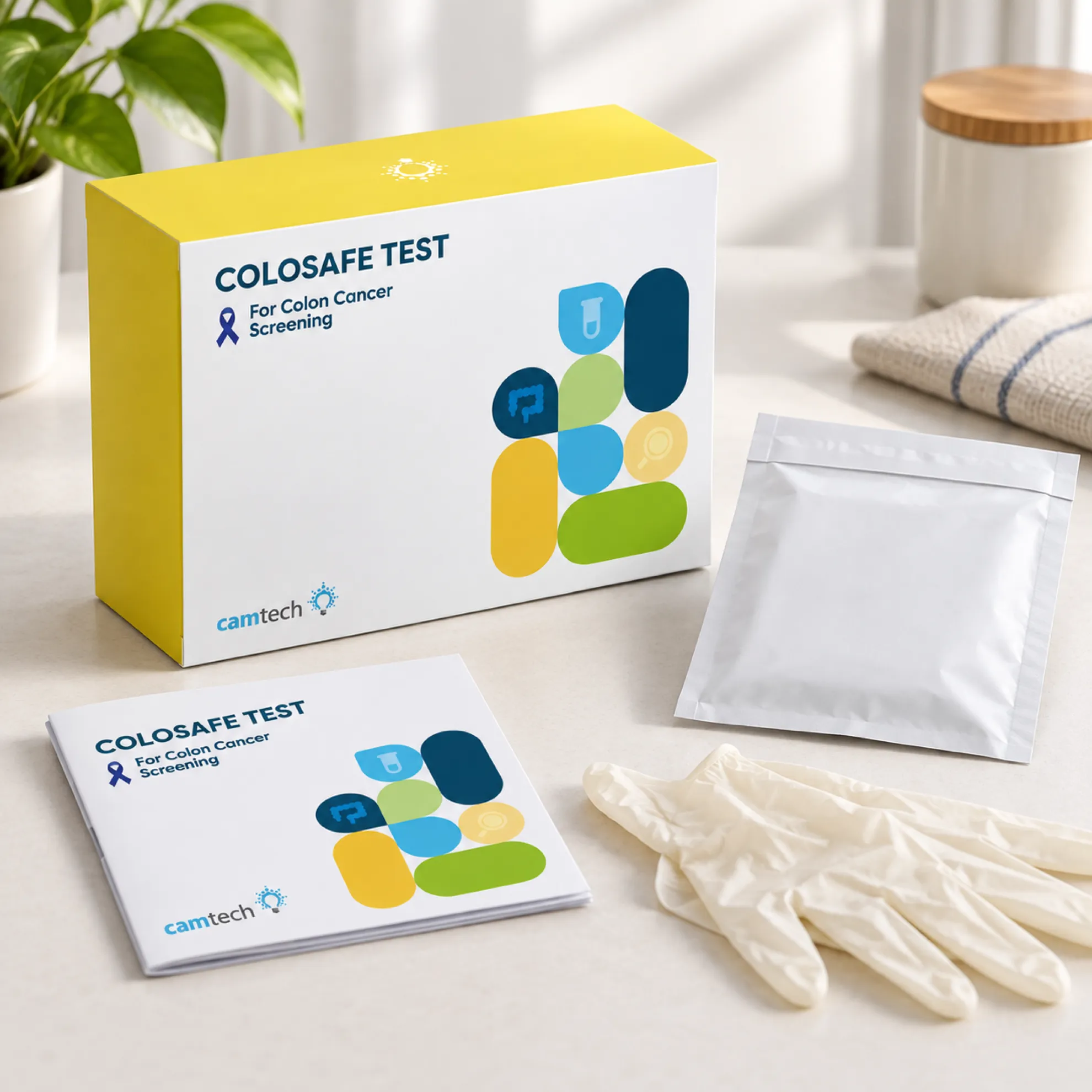
If you are thinking about colorectal screening in Singapore, timing matters. Colorectal cancer may not cause obvious signs in its early stages, which is why screening is planned before symptoms appear. For adults considering a non-invasive screening option, the Colosafe Test offers stool deoxyribonucleic acid (DNA) screening that can be collected at home and returned for laboratory processing.
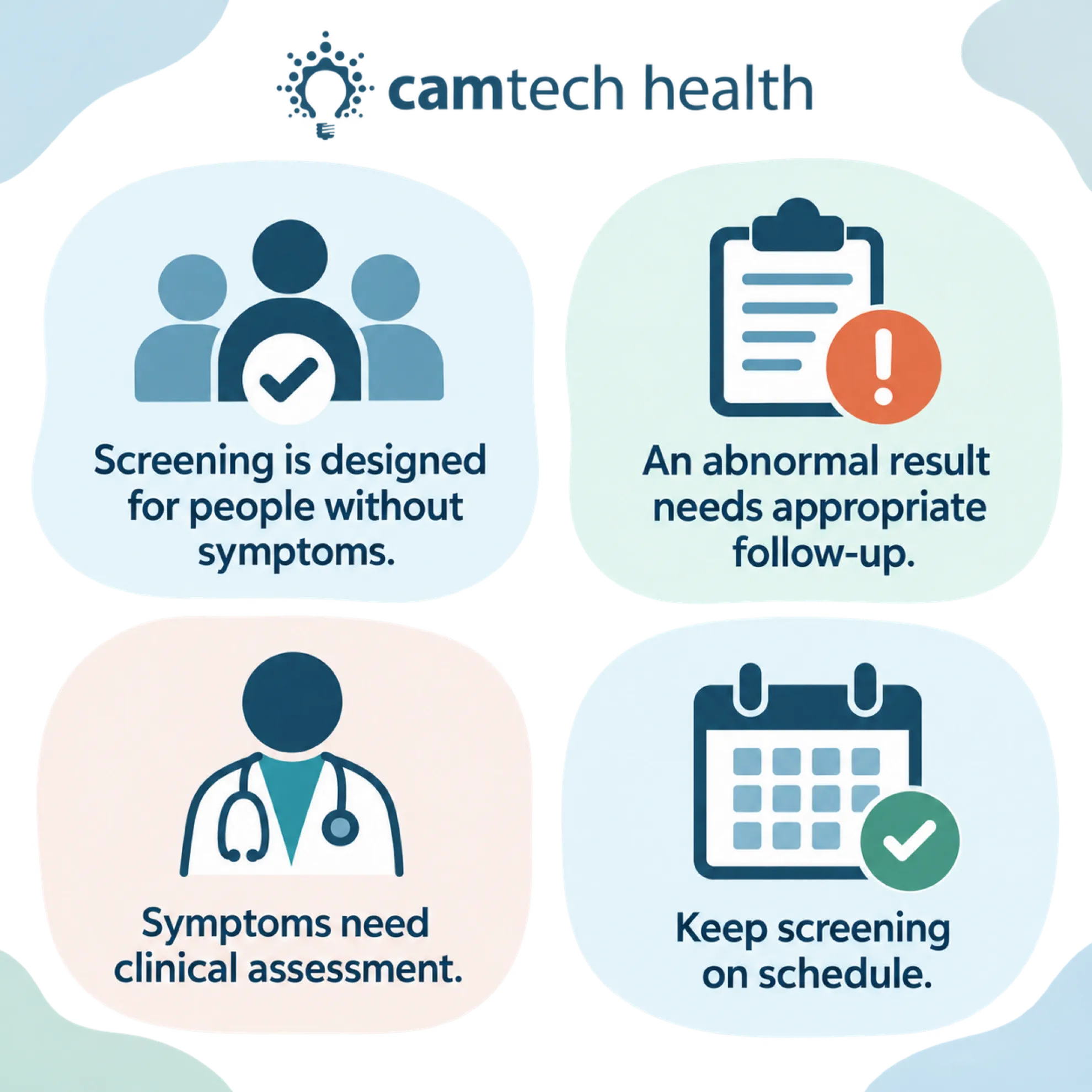
You may associate colorectal cancer checks with symptoms such as blood in stools, changes in bowel habits, abdominal discomfort or unexplained weight loss. However, screening is usually designed for people who do not have symptoms. If symptoms are already present, a medical consultation should not be delayed.
In Singapore, HealthHub advises that individuals without risk factors generally begin colorectal cancer screening from age 50. People with higher risk, such as a strong family history or certain bowel conditions, may need earlier screening based on doctor advice.
Why screening before symptoms matters
Colorectal cancer can develop from adenomatous polyps over a period of years. HealthHub explains that many of these polyps are largely asymptomatic, and that screening asymptomatic individuals can help detect adenomas and early cancers. In some cases, colonoscopy may also allow doctors to remove polyps during the same procedure.

This is why colorectal screening before symptoms is different from waiting until something feels wrong. It is a planned health screening step rather than a response to a worrying sign. For Singapore residents, this may involve a discussion with a general practitioner (GP), polyclinic doctor, specialist or Healthier SG care team about the most appropriate screening pathway.
Key points for Singapore
- Average-risk adults are commonly advised to begin colorectal screening from age 50.
- People with a family history of colorectal cancer or previous bowel conditions may need an earlier screening plan.
- Screening is for people without symptoms. Symptoms should be assessed by a doctor.
- An abnormal stool-based screening result usually needs medical follow-up and may require colonoscopy.
What the Colosafe Test checks for
The Colosafe Test is a stool deoxyribonucleic acid (DNA) test used for colorectal cancer screening. According to Camtech Health's product information, it looks for methylated SDC2 DNA, a biomarker found in stool, and allows sample collection at home.
Stool DNA screening is different from a faecal immunochemical test, or FIT. FIT checks for hidden blood in stool, while stool DNA testing looks for selected DNA markers associated with colorectal cancer. Singapore Cancer Society notes that FIT is commonly used in Singapore for eligible adults aged 50 and above, with follow-up testing recommended if the result is positive.
Research on SDC2 methylation has found that it may be a useful non-invasive biomarker for colorectal cancer screening. A meta-analysis published in BMC Gastroenterology reported pooled sensitivity of 0.81 and specificity of 0.95 for colorectal cancer diagnosis across included studies. These findings support clinical interest in methylated SDC2, while also reinforcing that screening results must be interpreted with medical follow-up.
How Colosafe fits into an at-home screening routine
If you prefer a non-invasive collection method, Colosafe may be considered as part of a structured colorectal health screening plan. The sample is collected at home, returned according to the kit instructions, and processed by the laboratory. Camtech Health states that Colosafe results are typically available within 7 to 10 working days after the returned sample is received.

A practical Colosafe screening journey
- Order the Colosafe Test from Camtech Health Singapore.
- Read the instructions before collecting your stool sample.
- Collect the sample at home using the provided collection materials.
- Return the sample according to the instructions provided with the kit.
- Review your result and speak with a doctor if the result is abnormal or if you have symptoms.
A normal screening result does not mean you will never develop colorectal cancer, and it does not remove the need for future screening. An abnormal result also does not confirm cancer. It means that a marker has been detected and further clinical review is needed.
Colosafe, FIT and colonoscopy: how to compare the options
Colorectal screening options differ in what they detect and how they are performed. FIT is widely used and checks for hidden blood in stool. Stool DNA testing checks for selected DNA markers in stool. Colonoscopy allows direct visualisation of the colon and rectum, and may allow removal of polyps during the procedure.
The most suitable option depends on your age, symptoms, personal medical history, family history and previous screening results. For more background on local screening pathways, Camtech Health's guide to colorectal cancer screening in Singapore explains how stool-based testing and colonoscopy fit into the wider screening conversation.
Singapore Cancer Society's colorectal cancer screening page also highlights that FIT eligibility is generally for Singaporeans or Permanent Residents aged 50 and above who have no gastrointestinal symptoms and have not done FIT in the last 12 months or colonoscopy in the last 10 years, unless otherwise advised by a doctor.
When not to rely on at-home screening alone
At-home screening should not be used to delay medical care when symptoms are present. Please speak with a doctor promptly if you notice:
- Blood in stools or black stools
- Persistent change in bowel habits
- Persistent abdominal pain, bloating or discomfort
- Unexplained weight loss
- Unexplained anaemia
- A feeling that the bowel does not empty fully
- A strong family history of colorectal cancer
- Previous colorectal polyps or inflammatory bowel disease

In these situations, a doctor may recommend diagnostic assessment rather than routine screening. This may include physical examination, blood tests, colonoscopy or referral to a specialist, depending on the clinical context.
Why timing matters for colorectal health
Timing matters because colorectal screening is most useful when it is planned before symptoms arise. For average-risk adults, age 50 is a common starting point in Singapore guidance. For higher-risk adults, earlier discussion may be appropriate.
Colosafe adds another option for adults who want a non-invasive stool deoxyribonucleic acid (DNA) screening method that can be completed at home. It should be seen as part of a wider screening pathway, not as a replacement for medical advice or diagnostic follow-up.
If you are unsure about when to screen, a practical next step is to review your age, symptoms, family history and previous screening history with a healthcare professional. This helps ensure that your screening timing matches your risk profile and clinical needs.
References
- Camtech Health. Colosafe Test.
- HealthHub Singapore. Screening for Colorectal Cancer.
- Singapore Cancer Society. Colorectal Cancer Screening and FIT Kit Singapore.
- Wang L, Liu Y, Liu C, et al. Diagnostic accuracy of DNA-based SDC2 methylation test in colorectal cancer screening: a meta-analysis. BMC Gastroenterology. 2022.
Important information
This article is for general education only and does not replace consultation with a qualified doctor or healthcare professional. Colorectal screening recommendations may differ depending on your age, symptoms, personal medical history, family history and risk factors. If you have blood in stools, persistent bowel changes, abdominal pain, unexplained weight loss or other concerning symptoms, please seek medical advice promptly.
*Visuals are assisted by artificial intelligence (AI)
Frequently asked questions
Should I screen for colorectal cancer before I have symptoms?
Yes. Screening is generally intended for people without symptoms. In Singapore, average-risk adults are commonly advised to begin colorectal screening from age 50. If you have symptoms or a family history, speak with a doctor about whether you need earlier or more direct assessment.
Is Colosafe the same as a FIT test?
No. FIT looks for hidden blood in stool. Colosafe is a stool DNA test that looks for methylated SDC2 DNA, a biomarker associated with colorectal cancer. They are different types of stool-based screening tests.
Does a positive Colosafe result mean I have colorectal cancer?
No. A positive result does not confirm cancer. It means that a biomarker has been detected and you should follow up with a doctor. Further evaluation, often including colonoscopy, may be recommended.
Can I use Colosafe if I already have blood in my stools?
If you have blood in your stools, persistent bowel habit changes or other symptoms, do not rely on at-home screening alone. Please consult a doctor promptly, as symptoms may require diagnostic assessment.