
Stool DNA, FIT or Colonoscopy: Screening Options Explained
By Stuart Chan
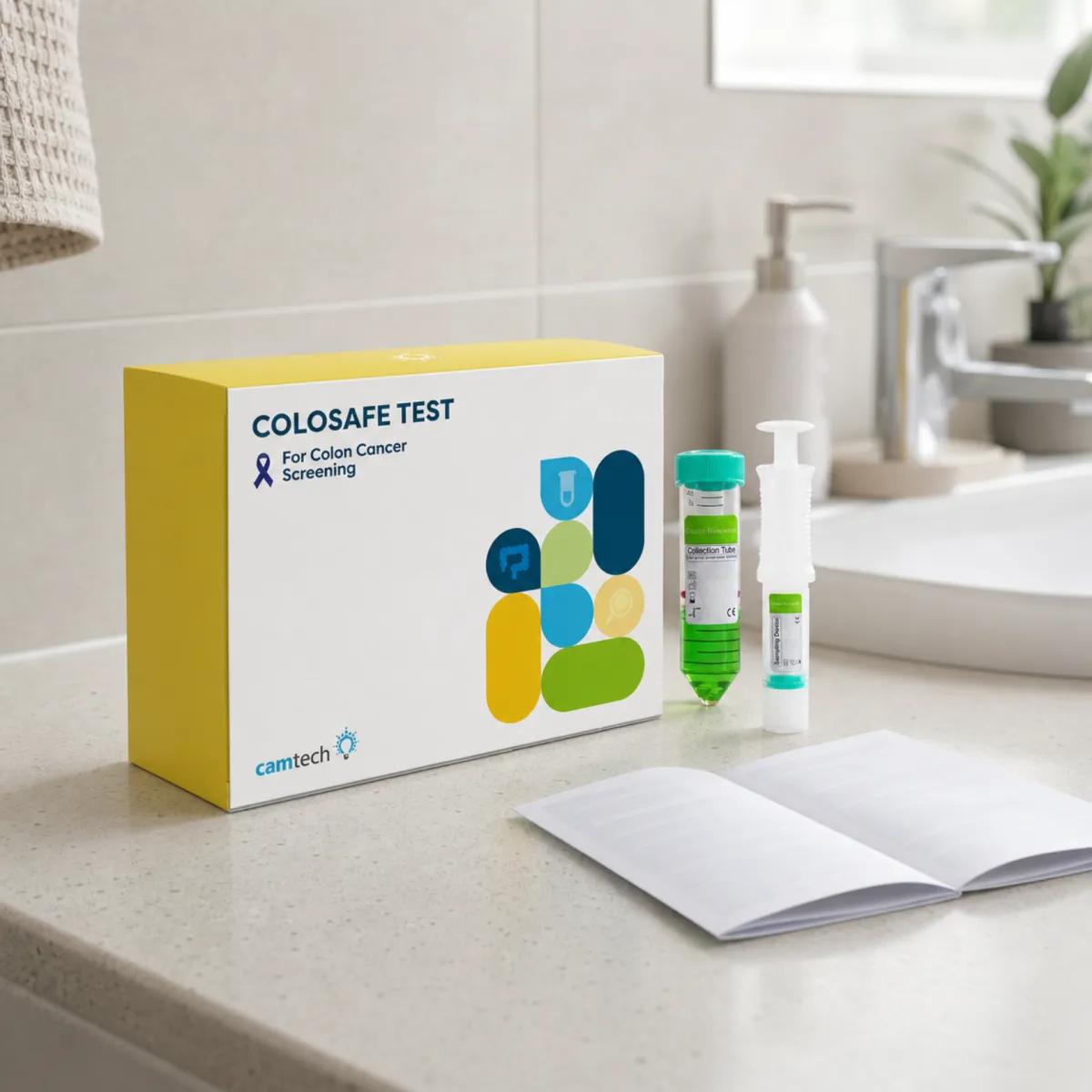
A practical way to understand the options
Colorectal screening is designed for people who feel well, not to diagnose a symptom at home. In Singapore, the right pathway depends on your age, family history, symptoms, previous screening and a clinician’s advice. Stool-based tests can be a convenient first step for some people, while colonoscopy is used in other situations to examine the large bowel directly. For Singapore Citizens aged 50 and above, Healthier SG Screening guidance explains eligibility for faecal immunochemical test (FIT) screening. If you have symptoms such as persistent bleeding from the rectum, a sustained change in bowel habits, unexplained weight loss or ongoing abdominal discomfort, arrange a medical review rather than relying on a screening test.
Why screening choices are not one-size-fits-all
Screening aims to look for signs that may need further assessment before symptoms develop. It cannot confirm or rule out cancer on its own. A clinician may recommend a different route for someone with a strong family history of colorectal cancer, inflammatory bowel disease, prior polyps, a previous abnormal result or symptoms.
Camtech Health’s colorectal screening overview for Singapore also highlights why a conversation with a doctor matters when risk or symptoms do not fit a routine screening pathway.

Stool DNA, FIT and colonoscopy: what each approach is for
These approaches answer different questions and are not interchangeable. A healthcare professional can help you understand which option is appropriate for you.
| Approach | What it involves | Important limitation |
|---|---|---|
| FIT | A stool test that looks for tiny amounts of blood that may not be visible. | A negative result does not explain symptoms or remove the need for future screening when due. |
| Stool DNA testing | A laboratory-based stool test that analyses selected DNA changes and may include a blood marker. | Its place, availability and follow-up pathway should be confirmed with a clinician in Singapore. |
| Colonoscopy | A procedure that allows a specialist to inspect the colon directly and, where appropriate, remove or sample tissue. | It needs bowel preparation and is not suitable for every person without a clinical discussion. |
The Singapore Cancer Society’s colorectal screening information explains FIT and the role of colonoscopy in follow-up. A positive stool-based result is not a cancer diagnosis, but it should be followed up promptly through the care pathway advised by your clinician.

When to speak with a general practitioner (GP) before choosing a test
Make an appointment before selecting a screening option if you have symptoms, a first-degree relative with colorectal cancer or advanced polyps, inflammatory bowel disease, a previous abnormal screening result, or questions about whether a test is suitable for you. Your GP can review your history, discuss the benefits and limitations of each option, and arrange an appropriate next step.
Do not delay assessment for symptoms while waiting for a home test. If symptoms are severe or rapidly worsening, seek urgent medical care.

What happens after a result
A screening result is one part of a care decision. A negative result usually means following the screening interval advised for you. An invalid or unclear result may need repeating. A positive or abnormal result does not establish a diagnosis, but it needs timely follow-up. Your GP may arrange further evaluation, which can include referral for colonoscopy or specialist assessment depending on the result and your history.

References
- HealthHub: Learn More About Recommended Screening Tests by Age
- Singapore Cancer Society: Colorectal Cancer Screening & FIT Kit Singapore
- HealthHub: Screening for Colorectal Cancer
- Ministry of Health: Cancer Screening Clinical Practice Guidelines
Important information
This article provides general educational information and does not replace personalised advice, diagnosis or treatment from a qualified healthcare professional. If you have concerning or persistent symptoms, or a positive, invalid or unexpected screening result, seek advice from a GP or the appropriate healthcare service promptly.
*Visuals are assisted by artificial intelligence (AI)
Frequently asked questions
Is a FIT test the same as a stool DNA test?
No. FIT looks for blood in stool, while stool DNA tests analyse selected DNA changes and may include another marker. Ask a GP which approach, if any, fits your screening situation.
Does a positive stool test mean I have colorectal cancer?
No. A positive result does not diagnose cancer. It means you should follow the recommended next step promptly, which may include further assessment.
Can I use a home test if I have symptoms?
Symptoms should be discussed with a doctor. A screening test is not a substitute for medical assessment when you have ongoing or concerning symptoms.
When should I discuss colorectal screening with a doctor?
Discuss it when you are due for routine screening, have a relevant family or medical history, are unsure about eligibility, or have a result that needs explanation.